

Antique Leather Dining Set
An antique leather dining set brings tactile warmth and period character to a room, uniting timber framing with durable upholstery.
Antique Leather Dining Set
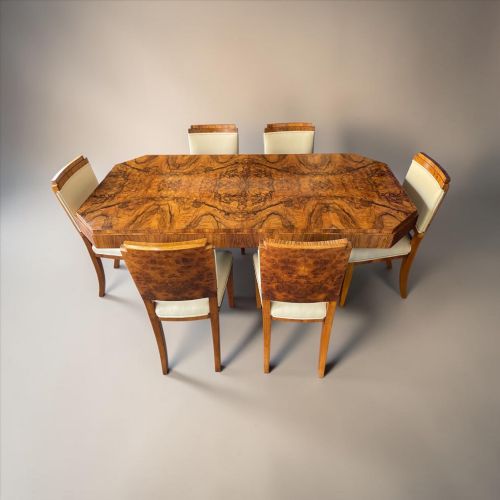
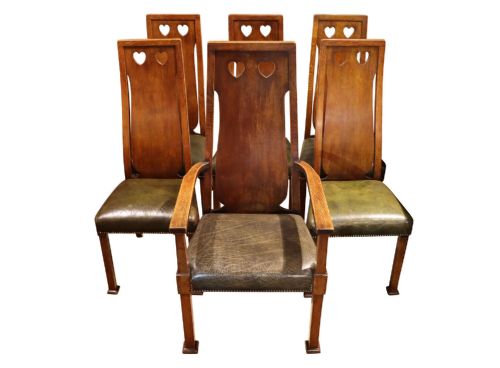
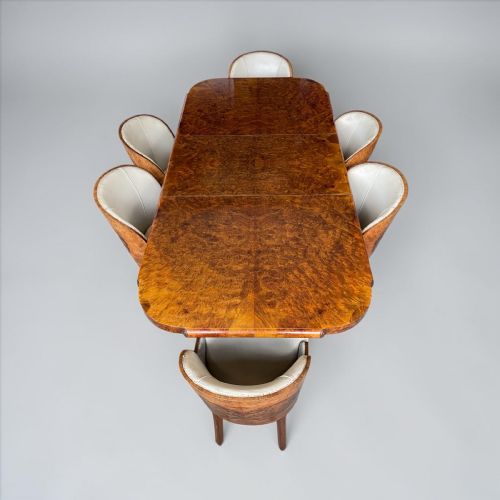
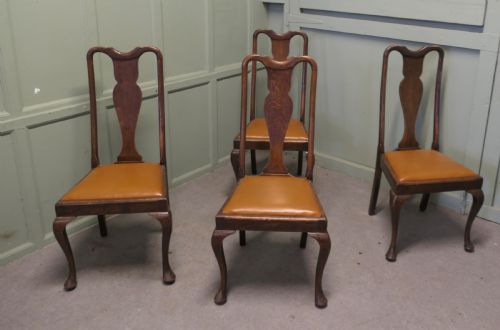
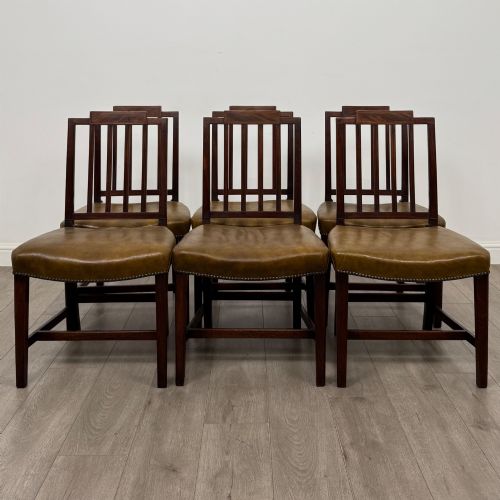
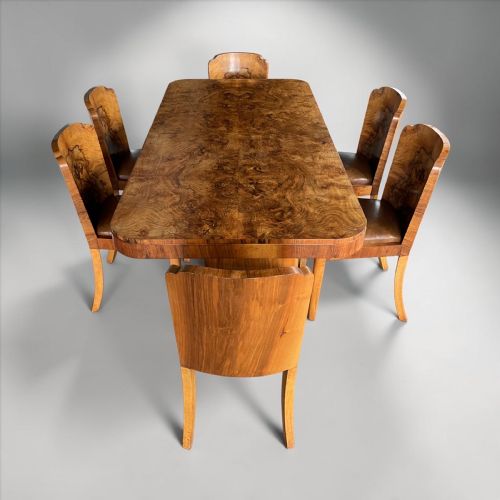
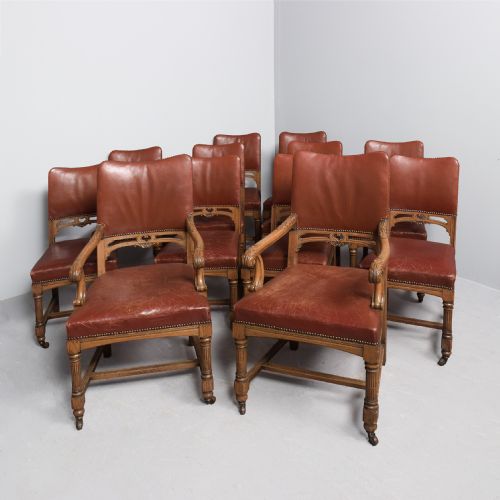
An antique leather dining set typically comprises a matching assembly of chairs, frequently accompanied by a corresponding dining table, spanning periods from the early nineteenth century through to the Art Deco era. Buyers encounter configurations ranging from intimate quartets to extensive suites of twelve or fourteen pieces, constructed predominantly in mahogany, oak, or walnut.
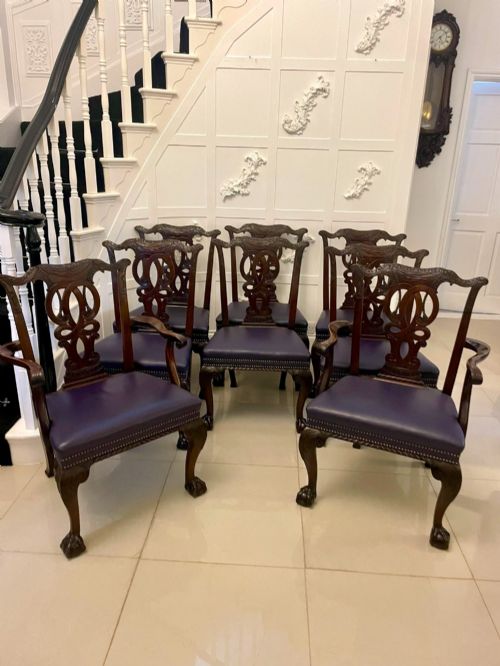
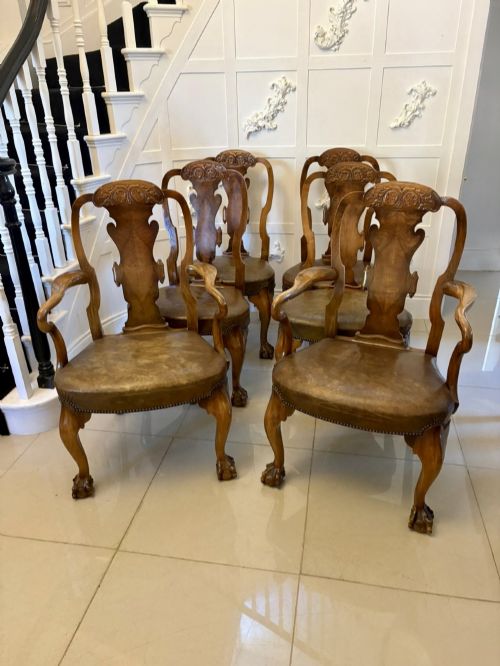
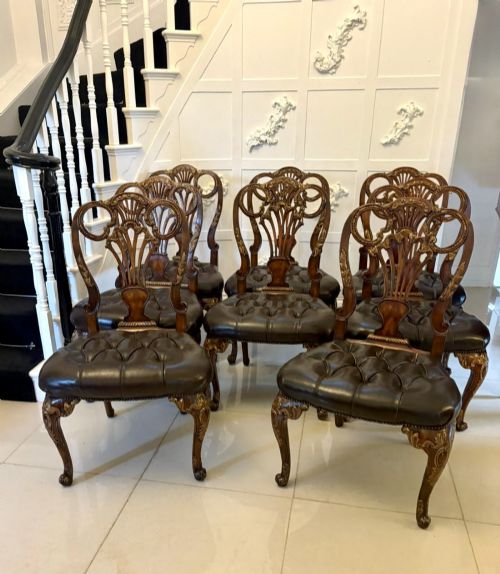
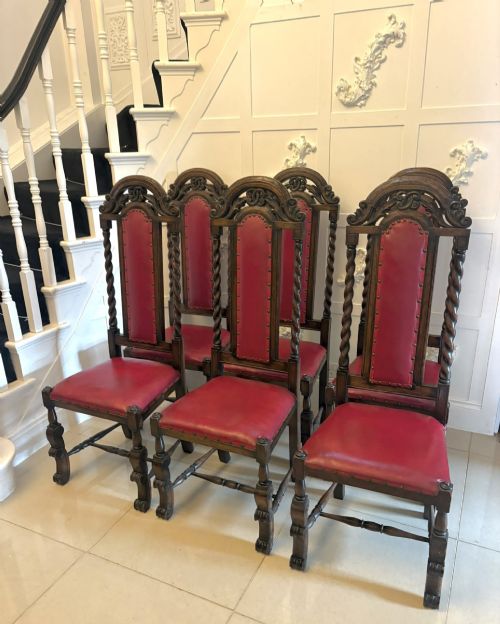
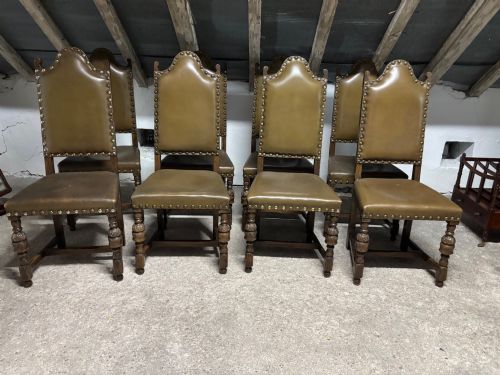
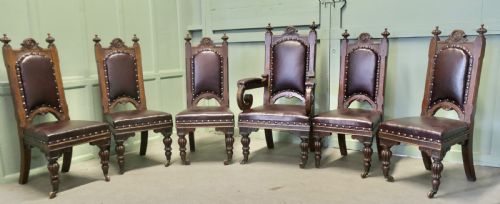
The aesthetic vocabulary encompasses Victorian Gothic, Chippendale revival, and heavy oak vernacular styles, alongside streamlined nineteen-thirties modernism. Dining chairs often retain their original tan, burgundy, or embossed leather seats and padded backs, anchored by brass detailing or decorative nailing along the timber rails.
Materials and Construction
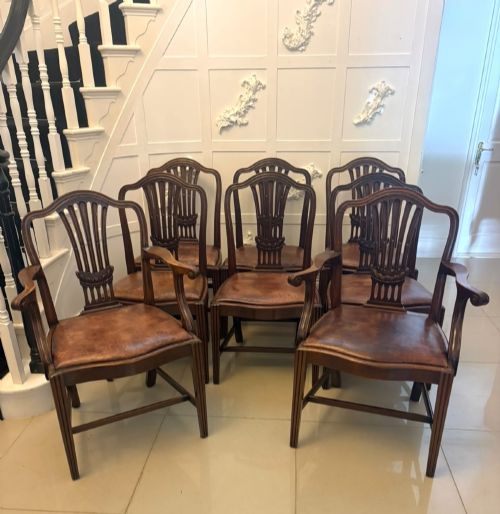
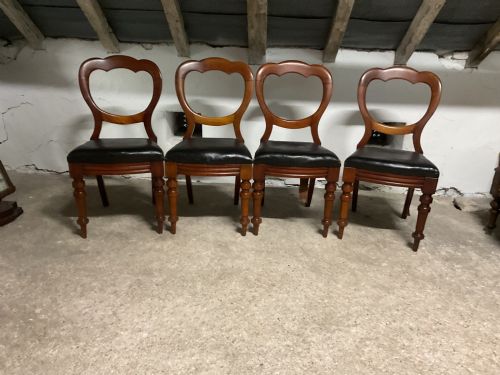
Cabinetmakers utilised dense native and imported timbers such as mahogany, oak, walnut, and burr walnut, framing them using traditional joinery techniques like mortise and tenon. Chair frames frequently incorporate carved splats, balloon backs, or heavy turned legs, reflecting the prevailing stylistic taste of their respective decades.
Upholstery involved stretching cattle leather over horsehair or stuffing foundations, secured directly to the wooden seat rail using brass tacks or decorative studding. Certain regional workshops integrated specialist decorative techniques, including embossed patterns or hand-tooling on the leather surfaces.
Antique Leather Dining Set Retail Price Guide 2026
Typical asking prices for leather dining set among the pieces listed under this phrase on Sellingantiques today, from the lower quarter to the upper quarter. They describe what is for sale here now, not the wider market.
The listings span from the Victorian and Edwardian eras into nineteen-thirty Art Deco designs, utilising oak, mahogany, and walnut.
Distinctions in Standard
The standard of a dining set rests upon the integrity of the timber framing, the uniformity of the matched chairs, and the originality of the leather upholstery. Superior examples demonstrate rigorous carving detail, robust structural joints that withstand regular dining use, and hides that retain their natural suppleness and historic colour.
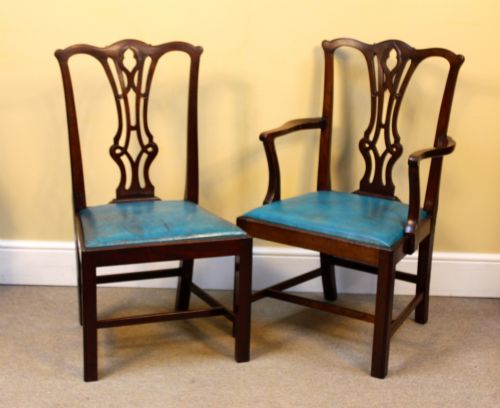
Sets that include original armchairs, known as carvers, alongside standard side chairs command greater significance. Furthermore, suites retaining unified patination across every piece display a higher grade of original assembly than collections assembled from disparate sources at later dates.
Maurice Adams·Harry and Lou Epstein·John Taylor and Son·Heals
The Antique Leather Dining Set Glossary
- Carver
- An armchair designed to sit at the head of a dining table, usually matching the smaller side chairs in a set.
- Balloon back
- A rounded, scroll-tooped chair back popular during the Victorian period that resembles the profile of a hot air balloon.
- Chippendale style
- A mid-eighteenth-century design vocabulary revived heavily in the nineteenth century, characterised by intricate pierced splats and cabriole or Marlborough legs.
- Embossed leather
- Leather stamped with raised patterns or designs using metal dies, often seen on Spanish and Portuguese dining seats.
- Brass tacks
- Small decorative nails with domed brass heads used to secure leather upholstery edges to wooden chair frames.
Antique Leather Dining Set: Frequently Asked Questions
How many chairs come in a typical set?
Sets generally range from four to twelve chairs, with configurations of six or eight being standard for dining rooms of moderate size.
Larger boardroom or extended suites comprising ten or more chairs occasionally appear, often accompanied by a matching large dining table.
Are the leather seats original?
Many sets retain their historic leather upholstery, displaying natural wear and patination accumulated over generations of use.
Where original hides have perished beyond utility, historical re-upholstering using traditional vegetable-tanned leather is common.
Which woods were most commonly used?
Mahogany and oak dominate the surviving examples, with walnut and burr walnut appearing frequently in finer Victorian and Edwardian dining suites.
Regional variations also introduce local timbers such as ash or satinwood depending on the manufacturing location.
How do I care for antique leather?
Maintaining antique leather requires regular dusting with a soft cloth and occasional treatment with appropriate conservation leather balms to prevent drying.
Direct sunlight and excessive heat sources should be avoided to preserve the natural suppleness and historic finish of the hide.