

Traditional Leather Dining Chairs
Traditional leather dining chairs bring historical gravitas to a room, offering sturdy frames and supple hides that age with immense character.
Traditional Leather Dining Chairs
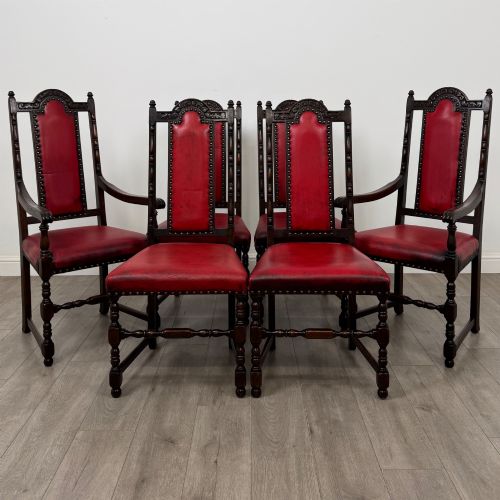
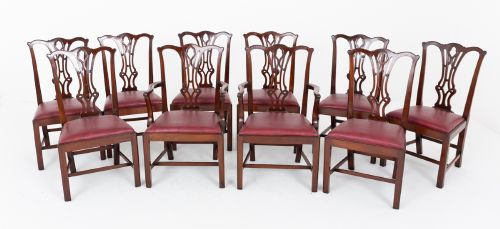
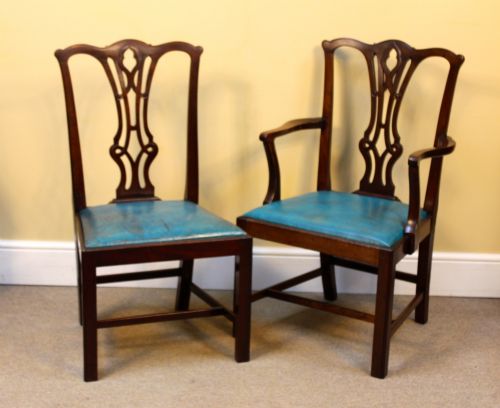
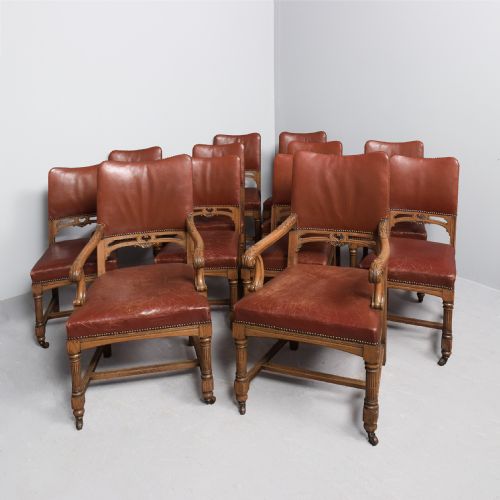
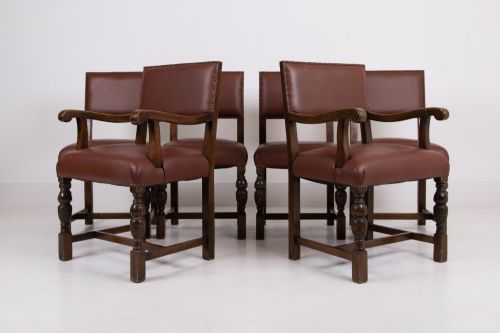
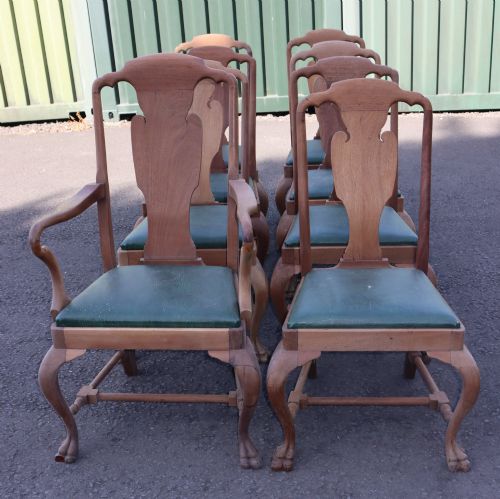
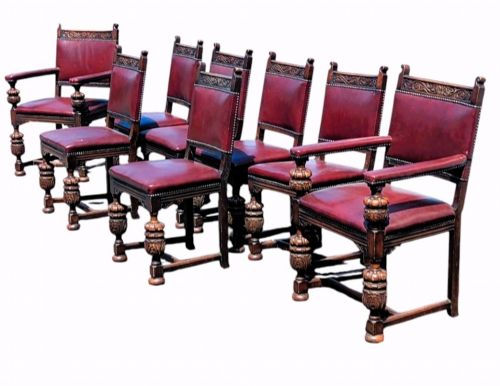
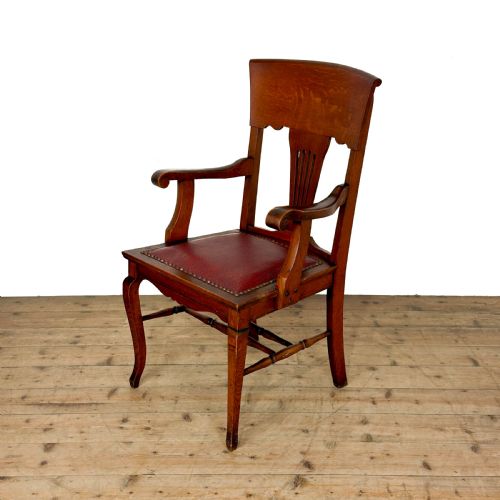
Traditional leather dining chairs span multiple centuries, with mahogany and oak framing the predominant forms encountered by collectors today. These pieces range from substantial sets designed for formal dining rooms to individual carvers and side chairs suited for libraries or studies.
Originating primarily from the nineteenth and early twentieth centuries, alongside eighteenth-century examples, these chairs combine functional seating with period craftsmanship. The integration of leather upholstery with hardwood frames defines the aesthetic core of this search category.
Materials and construction methods
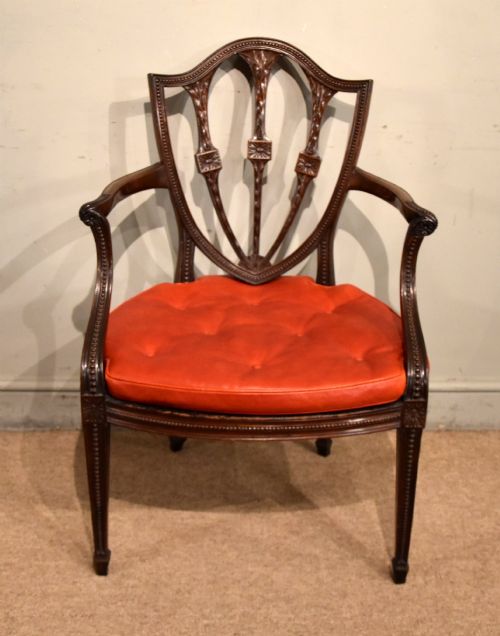
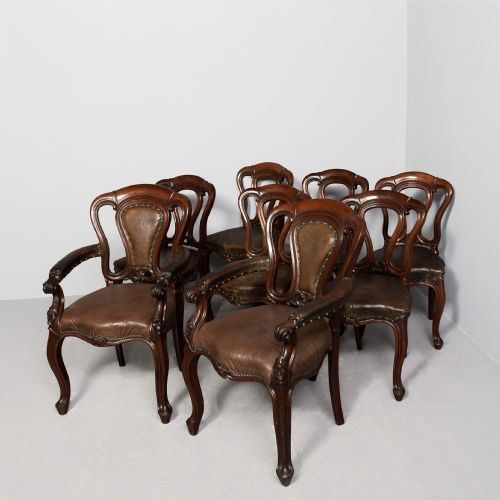
Makers relied heavily on dense hardwoods, predominantly mahogany and oak, supplemented by walnut, hardwood, and golden oak for structural framing. These timbers were frequently hand-carved, yielding elaborate scroll arms, shield backs, and sabre legs.
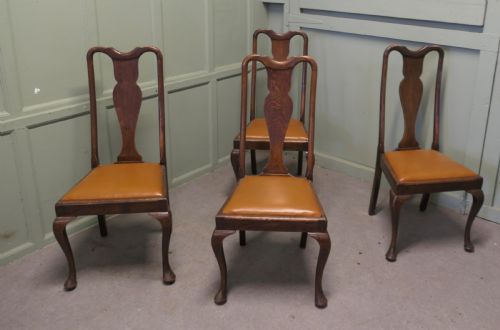
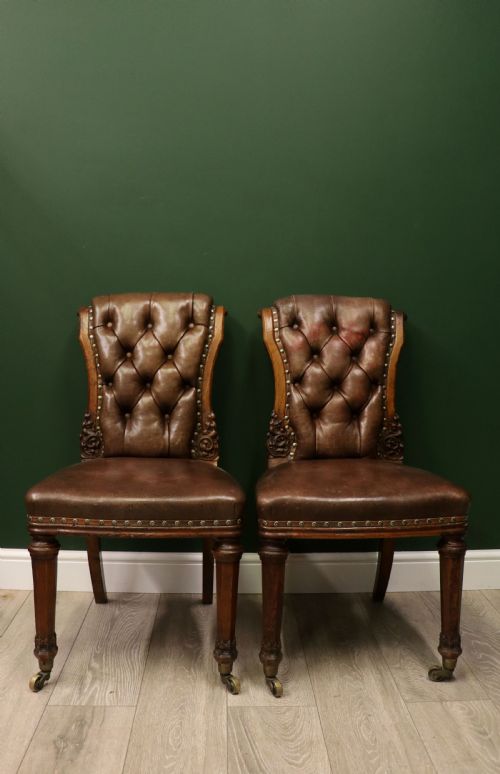
Upholstery techniques incorporated durable leather secured with traditional brass studs, creating firm yet comfortable seats on side chairs, elbow chairs, and carvers. Frames were joined using robust historic methods to withstand daily dining use over generations.
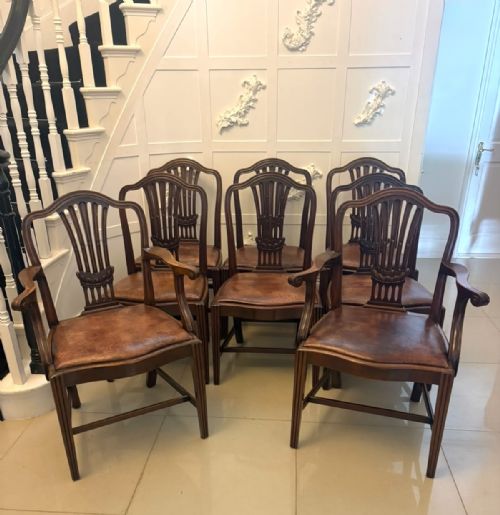
Period styles span Georgian, Victorian, Edwardian, and revival movements including Chippendale and Hepplewhite.
Distinctions in craftsmanship and preservation
The distinction between standard examples and superior pieces rests in the crispness of the hand-carved detailing on mahogany and oak frames, alongside the proportion of the proportions and the symmetry of the design. Cabinetmakers who invested greater time in shaping scroll arms, shield backs, and cabriole-influenced legs produced pieces with lasting architectural presence.
The integrity of the timber and the depth of the finish dictate the tactile appeal of an individual chair or set. Original hides displaying natural patina carry greater historical weight than modern replacements, whilst uniform wood grain across an entire matched suite indicates careful selection of materials by the workshop.
John Taylor & Son
The Traditional Leather Dining Chairs Glossary
- Carver chair
- An armchair designed specifically to sit at the head of a dining table, usually featuring supportive elbow rests. These pieces match the smaller side chairs in a dining set.
- Shield back
- A chair back shaped like a heraldic shield, popularized by eighteenth-century designers and revisited in later revival periods. This form offers a slender, elegant profile.
- Balloon back
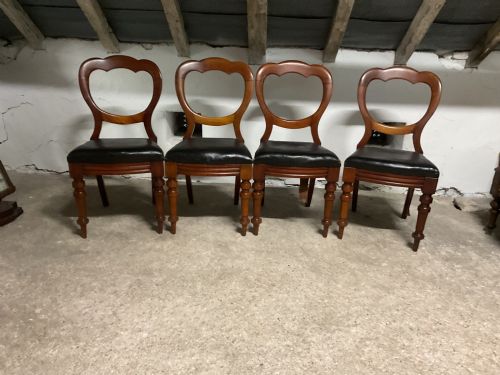
- A rounded, continuous backrest shaped like a helium balloon, characteristic of Victorian seating design. It provides ergonomic support while maintaining a light visual footprint.
- Brass studs
- Small metallic fastening nails used to secure leather upholstery to the wooden chair frame. They often feature decorative heads that trace the contours of the seat.
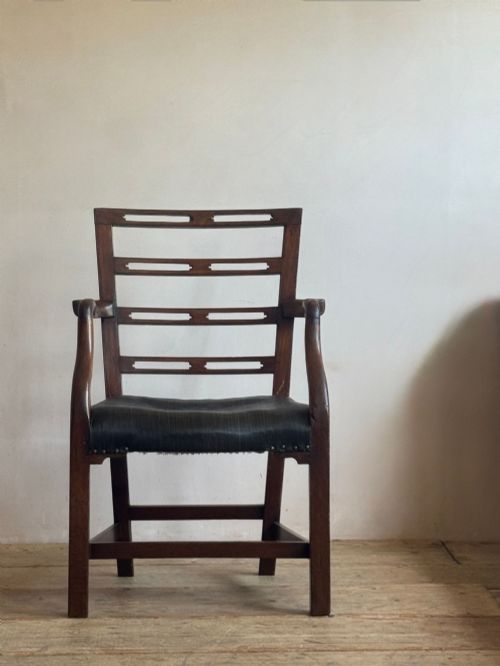
- Ladder-back
- A chair back featuring horizontal wooden slats resembling the rungs of a ladder. This functional form appears frequently in regional and Georgian dining chairs.
Traditional Leather Dining Chairs: Frequently Asked Questions
How do I date a traditional leather dining chair?
Dating relies upon identifying stylistic markers such as Victorian balloon backs, Georgian ladder-backs, or Chippendale revival motifs. Timber choice, including the prevalence of mahogany or oak, also points toward specific manufacturing decades.
Examination of the joinery and the method of leather attachment provides further chronological clues. Historic pieces often display hand-cut elements and period-appropriate brass studding rather than modern mechanical fixings.
Are these chairs comfortable for daily use?
These chairs were built for formal dining rooms using sturdy hardwood frames and supportive sprung or padded leather seats. Their solid construction makes them well-suited for everyday sitting.
Ergonomics varied by period, with high-backed and scroll-armed carver chairs offering additional support. Pairing them with a correctly proportioned dining table ensures comfortable posture during meals.
How do I maintain leather dining chair seats?
Leather upholstery benefits from regular dusting with a soft, dry cloth to prevent grit accumulation in the grain. Conditioning periodically with appropriate leather balms preserves suppleness and prevents cracking over time.
Protecting the leather from direct sunlight and heat sources prevents fading and drying of the hide. Ensuring the brass studs remain dry prevents corrosion from marking the surrounding leather.