



Cherub Giltwood Mirror
A cherub giltwood mirror brings sculptural presence to a room, combining carved figures with reflective depth.
Cherub Giltwood Mirror
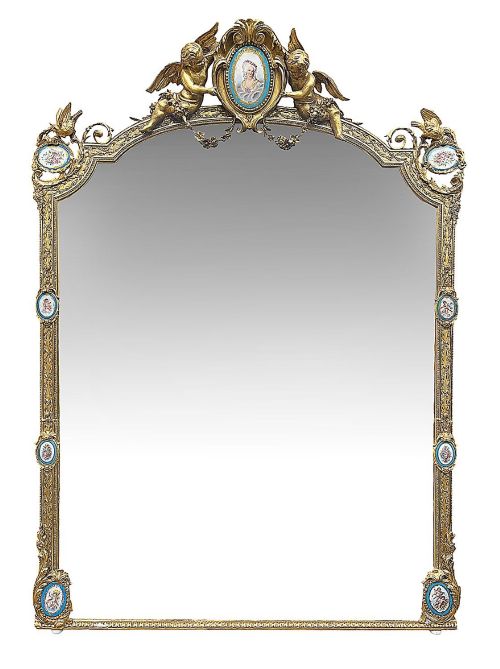
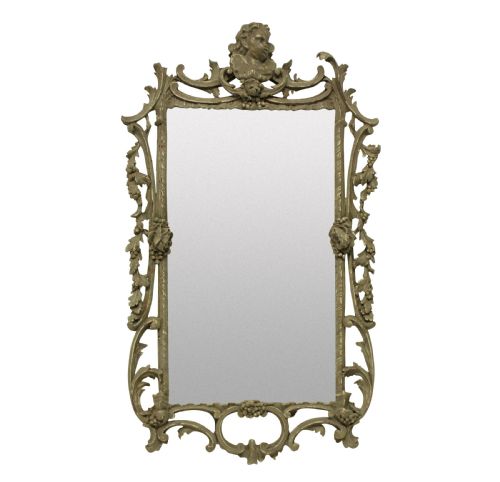
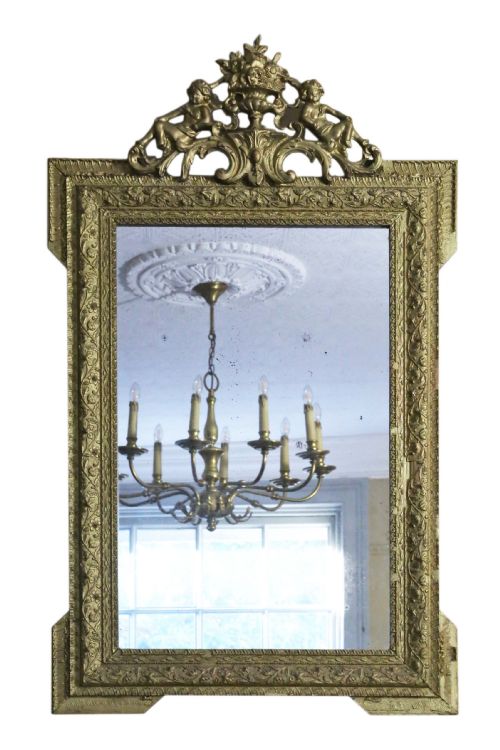
A cherub giltwood mirror is a decorative wall or overmantel piece defined by its carved winged figures and gilded surface. When searching for a cherub giltwood mirror, buyers encounter works spanning from the nineteenth century into the early twentieth century, drawing on French Rococo Revival, Louis XVI, and Victorian design.
The forms range from large overmantle mirrors intended for a mantelpiece to smaller wall brackets and oval formats. Many pieces incorporate crested frames, decorative pediments, and relief panels alongside the titular putti or cherubs.
How they were made
Makers built the foundational frames using timber and wood, applying layers of gesso and composition to shape intricate relief ornamentation. Artisans then applied gold leaf or parcel gilt finishes to achieve the characteristic metallic sheen.
Mirrors combined wood structures with glass and mirror glass plates, securing carved elements such as cherubs, lions' heads, and decorative cresting directly to the frame.
Styles recorded across the pieces include French Rococo Revival, Louis XVI, Baroque Revival, and George IV.
What varies in quality
The depth and crispness of the carving separate standard examples from finer works, particularly in the rendering of cherubs, drapery, and floral motifs. Hand-carved wooden details and refined gesso work display greater definition than mass-moulded composition substitutes.
The integrity of the gilding and the preservation of the original mirror glass influence the overall visual weight. Proportion, balance, and the harmony between the frame and its cresting dictate the piece's success on the wall.
Sir Willian Trotter
The Cherub Giltwood Mirror Glossary
- Giltwood
- Wood covered with thin gold leaf or gold powder. This surface treatment gives antique frames their characteristic warm metallic lustre.
- Gesso
- A plaster-like mixture applied to wood frames. Artisans carve and mould this material to create intricate relief decorations before gilding.
- Putto
- A plump, naked child figure depicted in classical art. These figures appear frequently as cherubs on mirror crests and frames.
- Overmantel mirror
- A large mirror designed to hang specifically above a fireplace mantel. These pieces often feature wide horizontal proportions and decorative pediments.
- Composition
- A moulded mixture of whiting, resin, and glue. Makers used this material for rapid replication of decorative ornaments on frames.
Cherub Giltwood Mirror: Frequently Asked Questions
Where should I hang an overmantel mirror?
An overmantel mirror suits a position directly above a fireplace mantel, where its proportions anchor the surrounding wall space.
It also functions effectively on a principal wall in a reception room to reflect light and create a sense of depth.
What is the difference between a putto and a cherub?
Art historians often use putto to describe a classical winged child figure, while cherub is the common term used in trade descriptions.
Both appear interchangeably in nineteenth-century mirror titles and decorative crestings.
Are these mirrors heavy?
These pieces possess substantial weight due to their timber frames, dense gesso mouldings, and thick glass plates.
Wall mounting requires professional fixings secured directly into structural wall studs or masonry.
How do I identify a nineteenth-century mirror?
Nineteenth-century examples display construction methods such as hand-cut joinery, traditional gesso application, and period plate glass.
Stylistic cues like Victorian revival designs and French Rococo motifs further indicate the era of manufacture.