

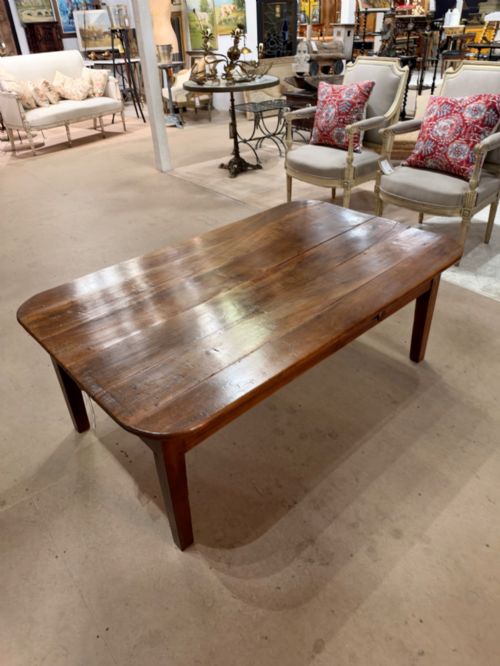
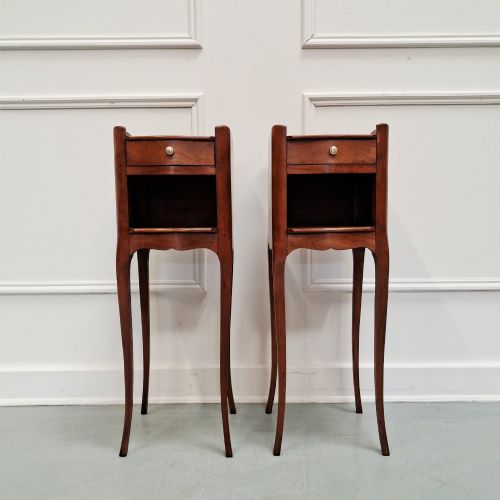
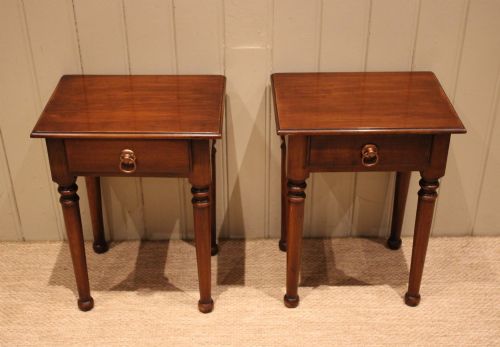
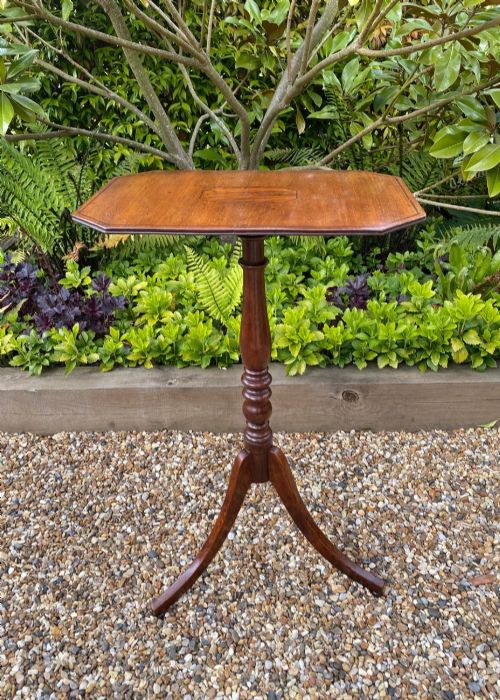


Cherry Wood Side Table
These cherry wood side table pieces bring warm grain and practical proportion to a room, ranging from provincial bedside chests to Georgian lowboys.
Cherry Wood Side Table
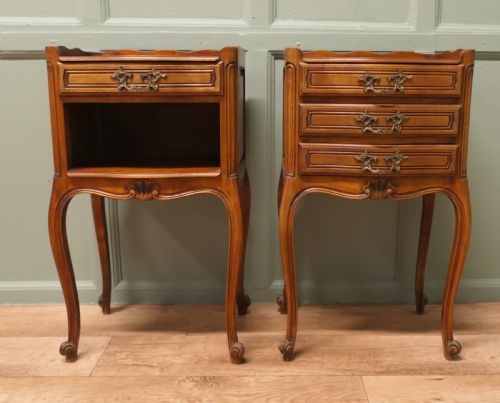
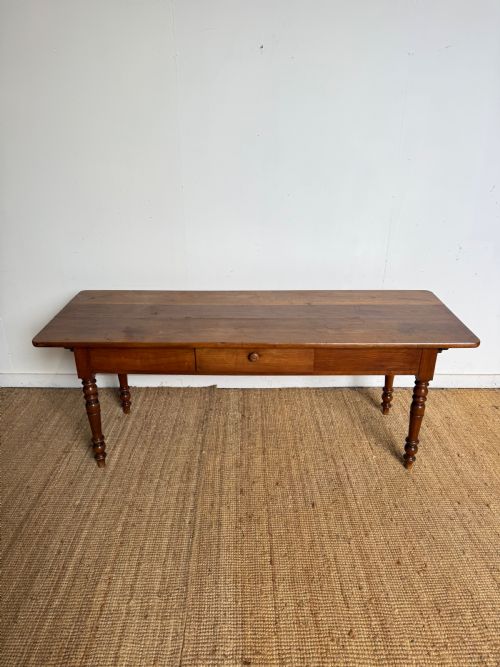
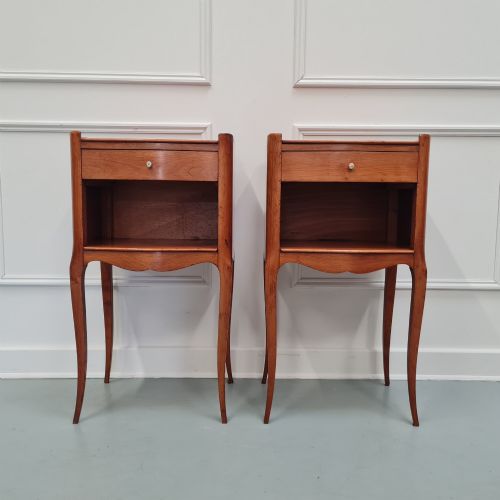
A cherry wood side table encompasses a diverse group of domestic furnishings spanning the eighteenth, nineteenth and early twentieth centuries. The selection leans heavily towards French provincial bedside chests from the nineteen-thirties alongside nineteenth-century console tables and eighteenth-century Georgian lowboys.
Buyers will encounter various forms designed for specific domestic tasks, including wine tables, writing tables, occasional tables and kitchen tables. French provincial interpretations and English country pieces dominate the selection, offering rich timber tones and functional drawers or shelves.
The material identity shifts subtly between cherry, cherrywood and fruitwood, often showing the warm, mellowing patination characteristic of older timber. Pieces range from simple turned-leg examples to sophisticated Louis XV style designs with candle shelves and stone tops.
Materials and construction methods
Makers utilised solid cherry wood and fruitwood, occasionally pairing the primary timber with mahogany, walnut or kingwood veneers and contrasting secondary woods. Brass handles, key escutcheons and occasional stone tops provide functional and decorative accents to the wooden frames.
Joinery techniques reflect traditional cabinet-making standards, seen in joined construction, turned legs and fitted drawers. Surface finishes rely on natural polish and wax to enhance the grain and achieve the deep patination found in eighteenth and nineteenth-century examples.
Cherry Wood Side Table Retail Price Guide 2026
Typical asking prices for cherry wood side table among the pieces listed under this phrase on Sellingantiques today, from the lower quarter to the upper quarter. They describe what is for sale here now, not the wider market.
Distinctions in quality and execution
Quality reveals itself in the selection of timber and the depth of the natural patination built up over centuries of use. Superior pieces display thoughtful proportions, crisp turning on the legs and carefully integrated drawer construction rather than heavy or clumsy framing.
The refinement of regional detailing, such as French provincial carving or George II stylistic restraint, separates standard utility furniture from finer workshop output. Original brass hardware and undamaged stone tops further distinguish the upper tier of surviving examples.
The Cherry Wood Side Table Glossary
- Lowboy
- A small seventeenth or eighteenth-century dressing table or side table with one or more drawers and long legs. These pieces often served multiple domestic uses in the bedroom or parlour.
- Chevets
- A French bedside table or cabinet, frequently fitted with small drawers or a cupboard door. They are commonly found in pairs from the early twentieth century.
- Patina
- The surface sheen and mellow colour developed by wood over years of handling, light exposure and polishing. A deep patina indicates age and regular maintenance.
- Fruitwood
- A general term for timber harvested from fruit-bearing trees, including cherry, apple and pear. It was widely utilised by country cabinet-makers for its dense grain and warm hue.
Cherry Wood Side Table: Frequently Asked Questions
How do I date a cherry wood side table?
Dating relies on examining construction methods, timber movement, hardware styles and overall proportions. Eighteenth-century pieces often display hand-cut joinery and deep patination, whereas later versions show twentieth-century manufacturing traits.
Comparing leg turning, drawer lining and secondary woods helps place a piece within Georgian, nineteenth-century or 1930s periods.
Were these tables used only as bedside pieces?
While many twentieth-century examples function as bedside chests or nightstands, earlier versions served varied roles across the home. Lowboys acted as dressing or writing tables, while larger formats functioned as serving or console tables.
The presence of drawers, candle shelves or stone tops often indicates the original domestic purpose of the furniture.
How should I care for antique cherry wood?
Maintain the timber by applying microcrystalline wax sparingly and buffing with a soft cloth to protect the surface. Avoid placing wooden furniture in direct sunlight or near heat sources to prevent drying and cracking.
Keep humidity stable within the room to preserve the historic finish and natural grain of the cherry wood.
What is French provincial furniture?
French provincial furniture refers to decorative pieces made in the regions outside Paris during the eighteenth and nineteenth centuries. These items adapt courtly styles into simpler, sturdier forms suited to regional homes.
Cabinet-makers utilised local timber such as cherry wood, resulting in practical designs with subtle decorative shaping.