



Chamberlain Worcester
Chamberlain Worcester pieces are fine porcelain items from Georgian, Regency, and Victorian periods, offering hand-painted enamels, gilding, and distinct armorial designs.
Chamberlain Worcester
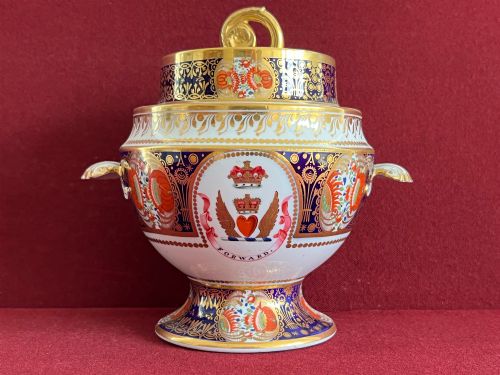
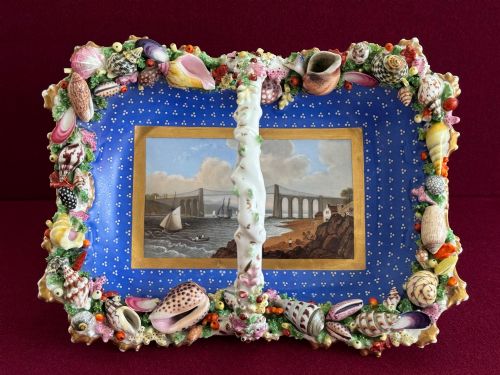
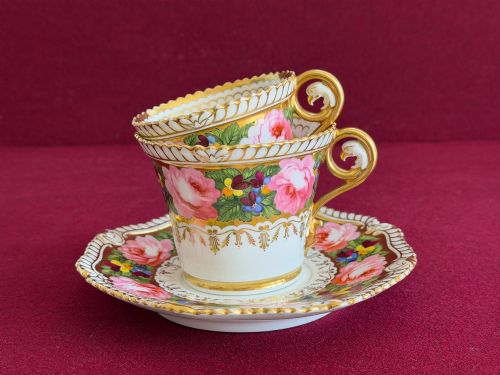
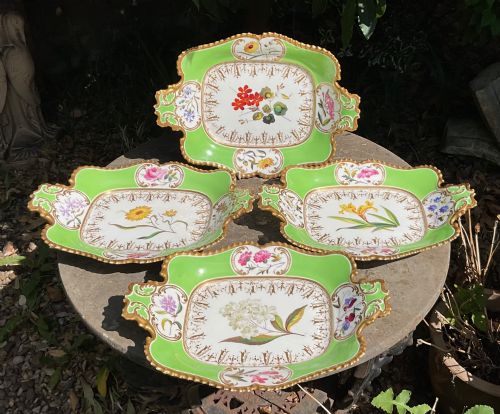
Chamberlain Worcester items represent a significant branch of English porcelain production spanning the late eighteenth century through the nineteenth century. When searching for chamberlain worcester, collectors encounter tea wares, decorative plates, baskets, pastille burners, and tureens shaped by Georgian and Regency aesthetics.
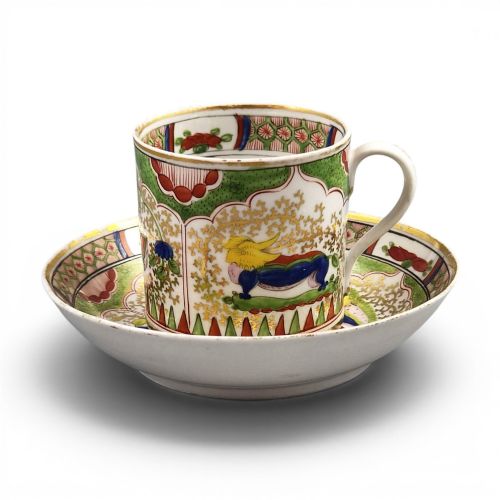
The objects on this page bridge domestic utility and high-status display, often featuring specific patterns like Dragon in Compartments or bespoke armorial services. Pieces range from early items produced around 1795 to later nineteenth-century wares carrying detailed topographical views or figurative scenes.
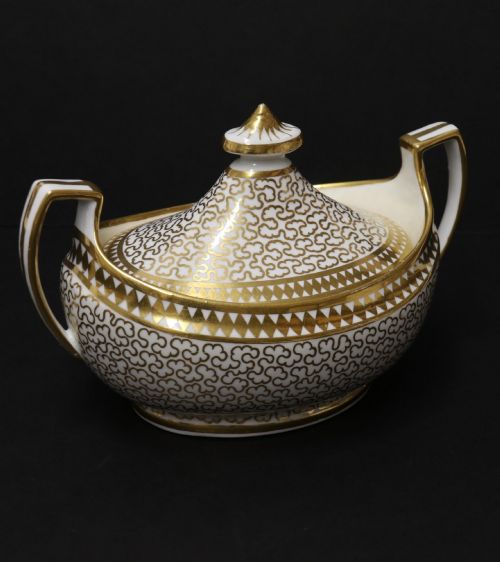
Forms vary from practical coffee cups and saucers to elaborate ice pails, vases, and lidded sucriers. Buyers meet both utilitarian tableware and ornamental porcelain designed for display on mahogany furniture or within dedicated cabinets.
How they were made
Makers utilised fine porcelain bodies fired to create smooth surfaces suitable for intricate hand-painting and gilding. Artisans applied rich enamel colours, frequently combining cobalt blue grounds with elaborate motifs.
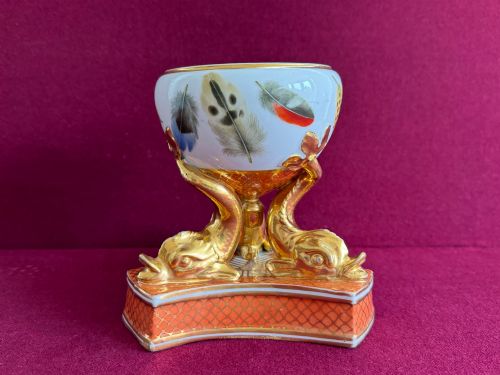
Gold leaf and gilt embellishments highlight the moulded details of vessels, plates, and baskets. Selected items incorporate specialised forms, such as pastille burners modelled as cottages or architectural pavilions.
Accessory elements occasionally include fitted mahogany stands or wooden components associated with specific bowls and dishes. The physical construction combines ceramic potting techniques with skilled miniature painting.
Chamberlain Worcester Retail Price Guide 2026
Typical asking prices for chamberlain worcester among the pieces listed under this phrase on Sellingantiques today, from the lower quarter to the upper quarter. They describe what is for sale here now, not the wider market.
Several items on display celebrate the Dragon in Compartments pattern, proving that historical porcelain makers also loved a good mythical beast.
What varies in quality
Quality rests in the precision of the hand-painting, the crispness of the porcelain moulding, and the preservation of the gold leaf. Pieces executed with named topographical views, armorial crests, or complex patterns like Dragon in Compartments reflect higher levels of factory output.
The Chamberlain Worcester Glossary
- Pastille burner
- A small ceramic vessel designed to diffuse scented pastilles through pierced covers or chimneys. These often take the form of miniature cottages or architectural structures.
- Armorial
- A design incorporating a family crest, coat of arms, or heraldic insignia. Such porcelain was typically commissioned by landed families or prominent figures.
- Ice pail
- A specialised vessel intended to hold ice for chilling wine glasses or dessert courses at formal dining tables. These often include liners and matching covers.
- Sucrier
- A lidded sugar basin intended for use in tea or coffee service sets. They frequently match the decorative motifs of contemporary teacups and saucers.
- Trio
- A matched set comprising a teacup, coffee cup, and saucer. This combination was standard in nineteenth-century dining and drawing-room entertaining.
Chamberlain Worcester: Frequently Asked Questions
What is Chamberlain Worcester porcelain?
Chamberlain Worcester refers to porcelain manufactured by the Chamberlain factory in Worcester, England, active during the Georgian, Regency, and Victorian eras.
The factory produced both functional tableware and ornamental items, known for hand-painted patterns, armorial crests, and rich gilding.
How were pastille burners used?
Pastille burners functioned as room deodorisers by slowly heating scented paste blocks over a small heat source within the ceramic body.
Victorian and Georgian households placed them in drawing rooms and parlours to release fragrant smoke through decorative vents.
How do I identify Regency periods?
Regency items often display classical revival motifs, bold Chinoiserie patterns, and rich enamel palettes combined with extensive gold leaf.
Stylistic markers include specific patterns like Dragon in Compartments and forms produced between roughly 1810 and 1820.
Can I use these plates daily?
While these porcelain plates and dishes were originally made for dining use, their age and hand-painted gilt surfaces require careful handling.
Modern collectors typically preserve them as display pieces rather than subjecting them to everyday wear and washing.