


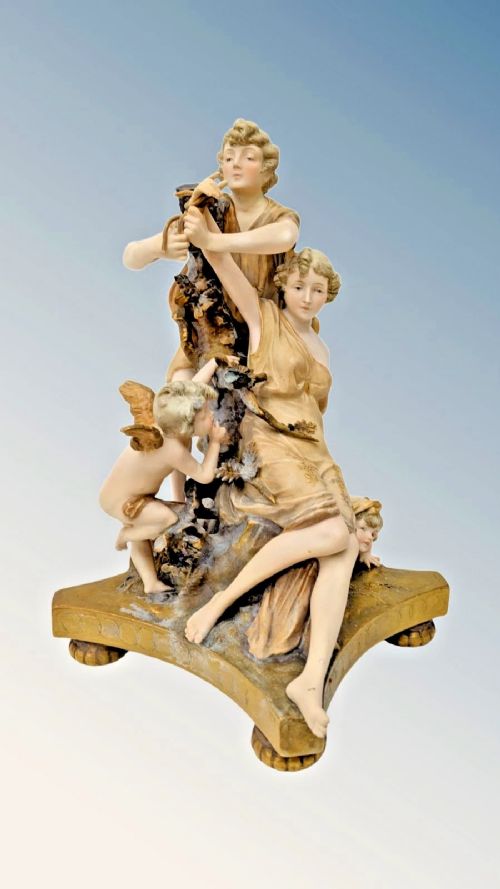


Ceramic Putti Figure
A ceramic putti figure captures the cheeky charm of classical winged infants in porcelain and terracotta.
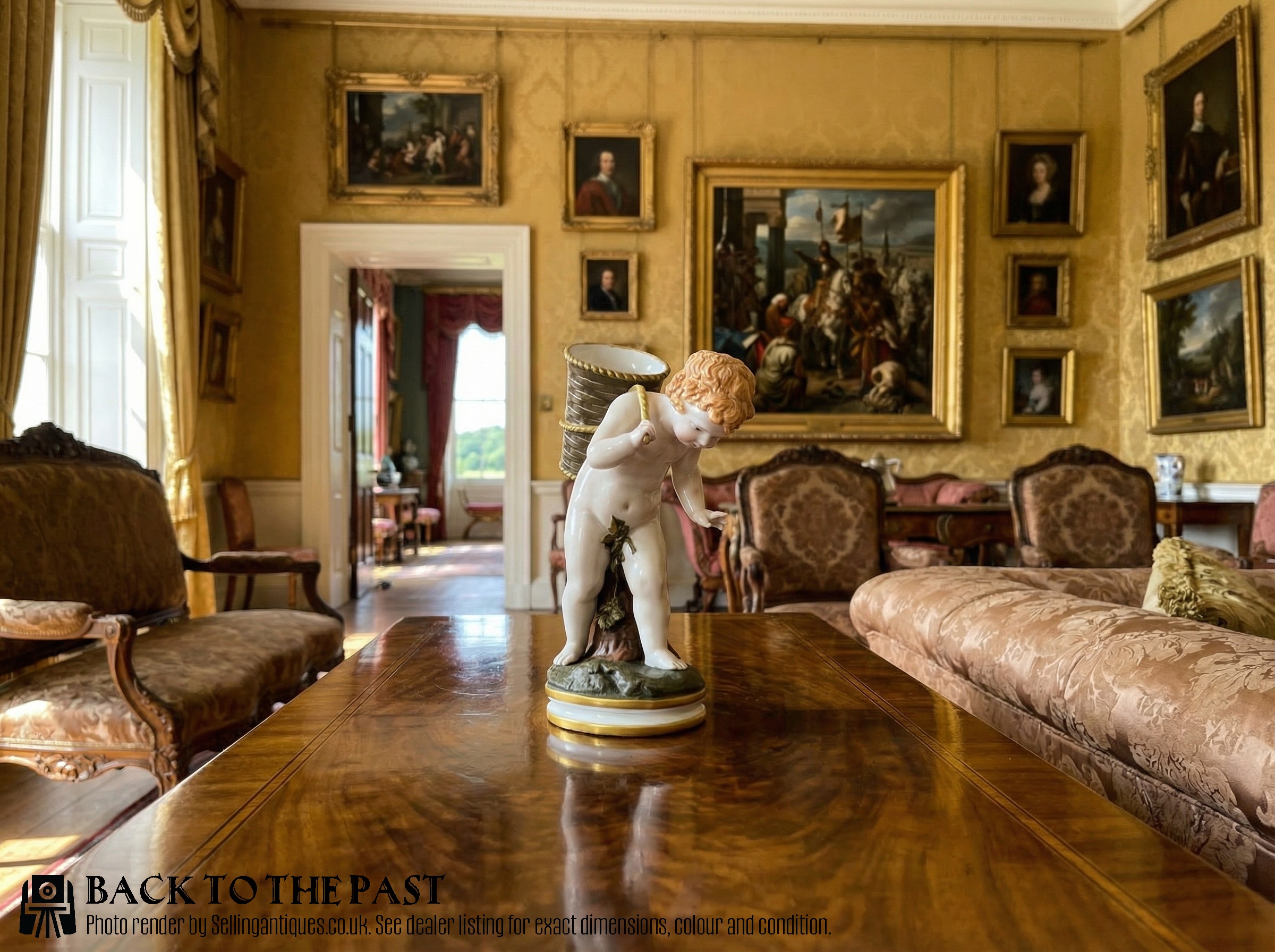
Ceramic Putti Figure
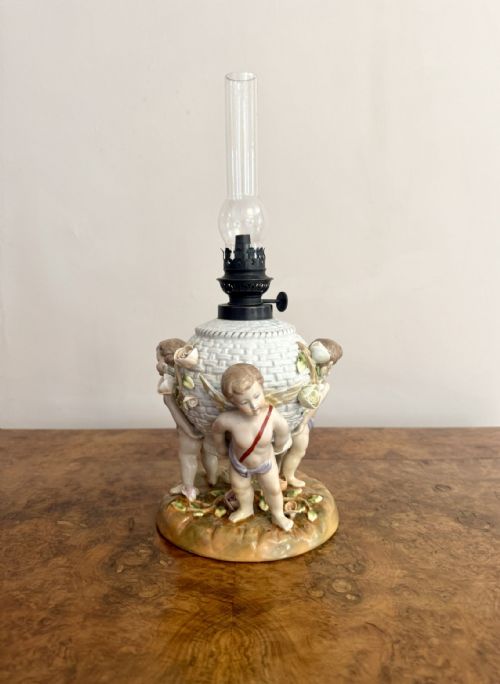
A ceramic putti figure depicts winged mythological infants, often shown as cherubs, cupids, or allegorical representations of seasons and elements. When you search for a ceramic putti figure, you encounter standalone sculptures, candelabras, and oil lamps spanning the eighteenth, nineteenth, and early twentieth centuries. The pieces on this page range from Georgian soft-paste porcelain models to Edwardian glazed compositions.
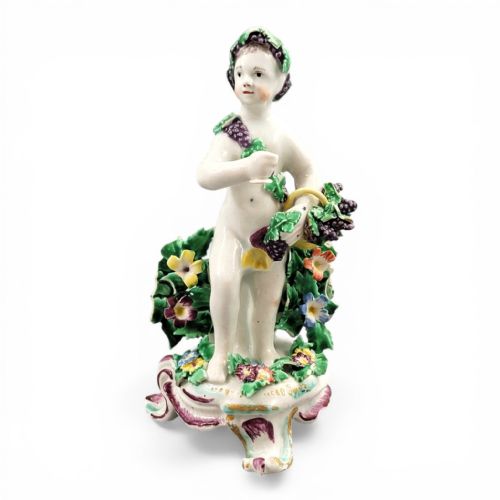
Makers across Germany, Britain, and Bohemia produced these decorative objects in various styles, including Rococo, Neoclassical, and Art Nouveau. English factories like Bow, Chelsea, and Royal Worcester created delicate depictions of cherubs with baskets, goats, and floral motifs. Continental potteries such as Meissen, Sitzendorf, and Volkstedt specialised in complex allegorical groupings and functional candleholders.
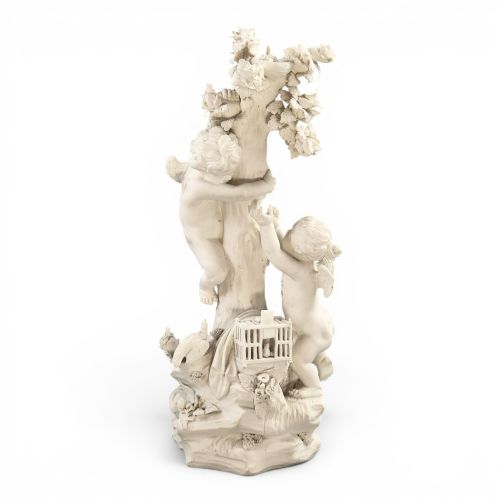
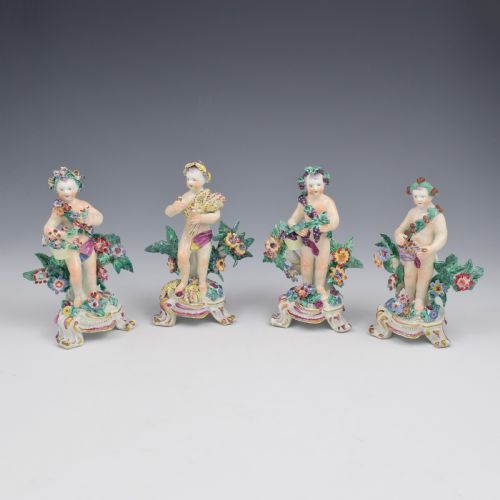
The forms vary from single standing figures holding tricorne hats to large centrepiece vases and paired candlesticks. Many represent specific allegories, such as the Four Seasons or The Four Elements, rendered in biscuit porcelain or polychrome enamel. Every period brings distinct stylistic traits, from eighteenth-century soft-paste figures to later nineteenth-century continental interpretations.
Materials and production methods
Makers utilised porcelain, soft-paste porcelain, and terracotta as the primary structural bodies for these figures. Artisans often shaped the clay in multi-part moulds before refining the details by hand prior to firing. Glaze, enamel, and gold leaf were applied in subsequent stages to highlight wings, drapery, and facial expressions.
Fatories like Meissen and Bow employed specialised kilns to achieve the smooth surfaces characteristic of eighteenth-century and nineteenth-century production. Gilt and gilding accents were painted on after the main glaze firing, then fixed with a lower temperature kiln pass. Some works, such as Derby biscuits, remained unglazed to emphasise the fine sculptural modelling of the clay.
Several putti figures hold tricorne hats or balance precariously on goats.
Assessing craftsmanship and finish
The application of gilding and the depth of the glaze separate standard production runs from superior studio output. Early soft-paste pieces demonstrate a distinctive translucency and warmth in the ceramic body that later mass-produced items lack.
Sitzendorf·Derby Biscuit·Bow Porcelain·Royal Dux Bohemia·Meissen·George Kemper·Ernst Wallace·Edme Samson·Chelsea·Royal Worcester·Minton·Volkstedt·Kerr and Binns·Triebner ENS and Eckert·Johann Joachim Kandler
The Ceramic Putti Figure Glossary
- Putti
- Plural of putto, representing plump, winged male infants derived from classical art. They frequently appear in Renaissance and later European decorative arts.
- Soft-Paste Porcelain
- An artificial porcelain composition made from white clay and glass frit, fired at lower temperatures than hard-paste. It creates a warm, creamy body common in eighteenth-century English factories.
- Biscuit Porcelain
- Unglazed porcelain fired once to produce a matte, porous finish resembling marble. It was favoured by neoclassical modellers for its ability to show fine detail.
- Sweetmeat Figure
- A ceramic dish or figurine designed to hold small confectionery items at a dining table. These often incorporate putti supporting bowls or baskets.
- Enamel
- Opaque vitreous glass fused to the ceramic surface during firing to provide colour. Master painters used enamels to render intricate facial expressions and garments.
Ceramic Putti Figure: Frequently Asked Questions
What is a putto?
A putto is a chubby, winged infant figure derived from classical mythology, often representing cupids or cherubs.
Artists across the eighteenth and nineteenth centuries used these figures to symbolize love, the seasons, and allegorical themes.
How do I date a porcelain figure?
Dating relies on factory marks, glaze characteristics, and the underlying ceramic body composition such as soft-paste versus hard-paste.
Stylistic shifts between Rococo curves and Victorian ornamentation also help narrow the decade of production.
Were these figures functional?
Many ceramic putti served practical purposes as candlesticks, oil lamps, centrepieces, or sweetmeat dishes.
Others were created purely as sculptural ornaments for display on mantelpieces and tables.
What is biscuit porcelain?
Biscuit porcelain is fired without a glaze, leaving a matte, white surface that resembles carved marble.
This technique highlights the fine sculptural details modelled by the ceramic artist.