
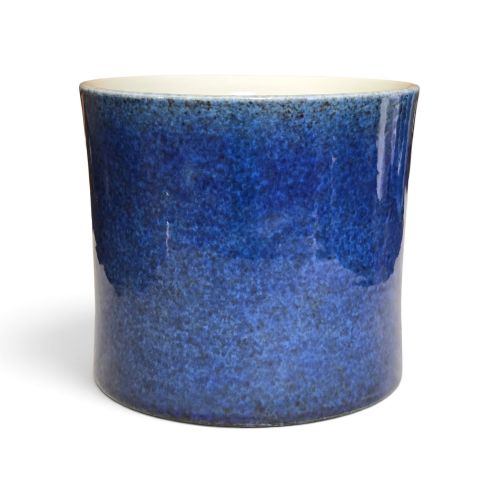


Ceramic Powder Pot
A ceramic powder pot sits on a dressing table to hold loose cosmetics, bringing both period charm and practical storage to daily routines.
Ceramic Powder Pot
When you search for a ceramic powder pot, you enter a field dominated by twentieth-century boudoir items alongside earlier porcelain vessels. The pieces function as lidded containers designed historically for face powder, trinkets, or dressing table storage.
The ceramic powder pot you are most likely to meet on this page belongs to the Art Deco period, often taking the form of a porcelain bowl paired with a figural half-doll lid. These French, German, and Austrian jars bring whimsical charm to a dressing table.
Alongside the figural bathing belle and flapper girl designs, the selection includes traditional lidded bowls, round boxes, and brush holders spanning from the seventeenth century to the early twentieth century. Each variation reflects the prevailing aesthetic of its origin, from European porcelain manufactories to Chinese export wares.
How they were made
Makers shaped these vessels from ceramic, earthenware, and porcelain, applying cobalt glaze, enamel, or gilt detailing by hand. Surface decoration ranges from monochrome powder-blue finishes to intricate hand-painted motifs and applied gold leaf.
What varies in quality
The standard of painting on the ceramic surface distinguishes simpler production wares from finer studio output. Crisp, detailed brushwork on figural faces and motifs indicates skilled hand-painting.
The precision of the fit between the lid and the bowl base reflects the care taken during manufacture. Heavier porcelain bodies and well-preserved gilding or enamel indicate superior construction.
Meissen Porcelain·Wedgwood·Limoges
The Ceramic Powder Pot Glossary
- Half Doll
- A porcelain figure modelled from the waist up, historically used as the lid for a powder jar or tea cosy. These figures often depict flappers, bathing belles, or pierrots.
- Bitong
- A cylindrical brush pot originating in China, typically carved from porcelain or other materials. These vessels were designed to hold calligraphy brushes on a scholar's desk.
- Powder-Blue Glaze
- A finely speckled cobalt blue ceramic glaze blown onto the unglazed porcelain surface through a bamboo tube before firing. This technique originated in China during the seventeenth century.
- Gilt
- A thin layer of gold applied to the surface of porcelain or metal details for decoration. It catches the light and frames hand-painted scenes.
- Chinoiserie
- A European stylistic movement reflecting Chinese artistic influences, seen in decorative motifs on ceramics and furniture. It interprets Asian designs through a distinct Western lens.
Ceramic Powder Pot: Frequently Asked Questions
What were ceramic powder pots used for?
These vessels held scented face powder on dressing tables before the advent of modern cardboard and plastic compacts. Women used them alongside powder puffs to apply loose cosmetics during daily grooming.
Over time, many of these lidded containers transitioned into general trinket boxes for jewellery, hairpins, and small keepsakes. Their decorative lids made them suitable for display on bedroom furniture.
How do I identify an Art Deco powder pot?
Art Deco pieces typically date from around 1930 and often feature stylised figures such as flapper girls, bathing belles, or pierrots moulded into the lid. The ceramic bodies frequently display geometric motifs or bold, solid colour glazes.
European manufactories in France, Germany, and Austria produced these novelty jars in large quantities to satisfy contemporary boudoir fashions. Their design reflects the sleek, modern aesthetic of the interwar period.
Are older porcelain boxes different?
Earlier pieces from the seventeenth and eighteenth centuries focus on utilitarian vessel forms like brush pots and round boxes rather than figural lids. These items often feature traditional techniques such as cobalt glaze or hand-painted motifs.
As centuries progressed, the manufacturing shifted toward playful novelty items and dressing table sets. The older wares emphasise material quality and glaze effects over character sculpture.
How should I clean a vintage ceramic powder pot?
Dust the ceramic body and lid gently with a soft, dry cloth to remove everyday accumulation. Avoid submerging pieces with delicate gold leaf, enamel, or hand-painted details in water.
Harsh chemical cleaners can strip away fragile surface decoration and gilding applied decades ago. Treat the painted surfaces with care to preserve the original finish.