









Ceramic Plate Painting
Ceramic plate painting brings together fine porcelain, earthenware, and detailed brushwork on surfaces designed for display or dining.
Ceramic Plate Painting
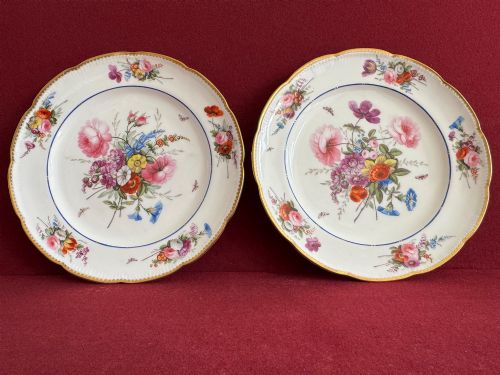
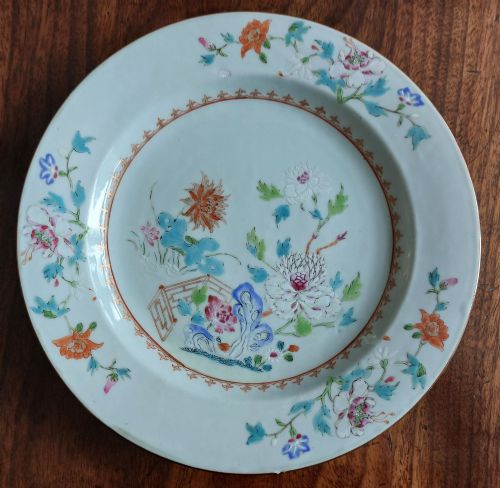
When searching for ceramic plate painting, buyers encounter decorative dishes, cabinet plates, and large chargers created across the eighteenth, nineteenth, and early twentieth centuries. These pieces encompass European porcelain factories, Chinese export wares, and Japanese Imari or Kutani traditions.
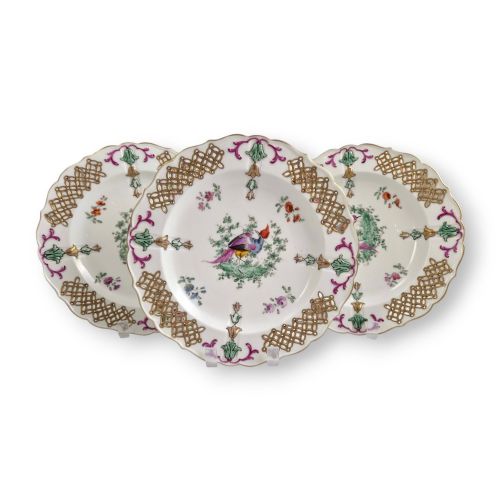
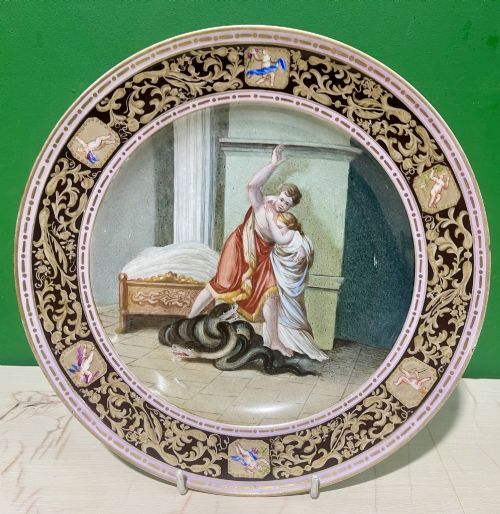
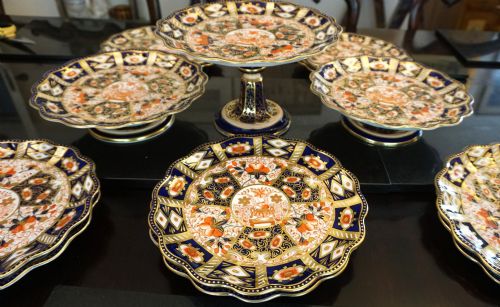
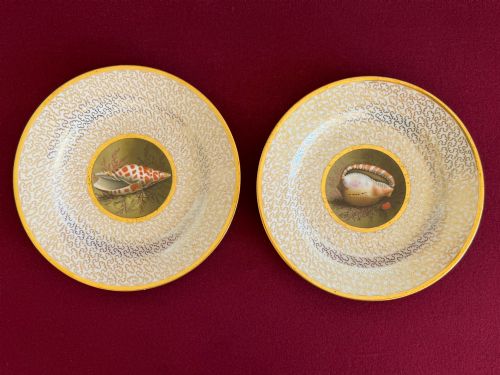
The most common items on this page are nineteenth-century Japanese Imari plates alongside Georgian and Victorian English porcelain dessert services and cabinet plates. Makers applied detailed enamel and underglaze painting to depict flowers, birds, landscapes, and historical scenes.
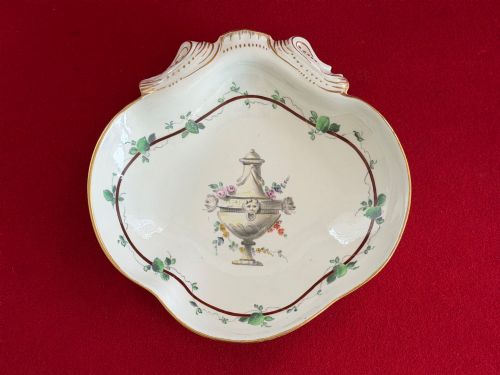
Forms range from simple scalloped edges and leaf-shaped dishes to large chargers and footed comports. Each object demonstrates the specific painting styles and ceramic bodies characteristic of its period of origin.
Materials and painting techniques
Potters formed bodies from porcelain, earthenware, and tin-glazed ceramic before applying hand-painted designs in enamel, glaze, and occasionally gold leaf or gilding. Factories like Worcester, Derby, Spode, and Meissen employed specialist artists to paint botanical specimens, birds, and figures directly onto the fired ceramic surface.
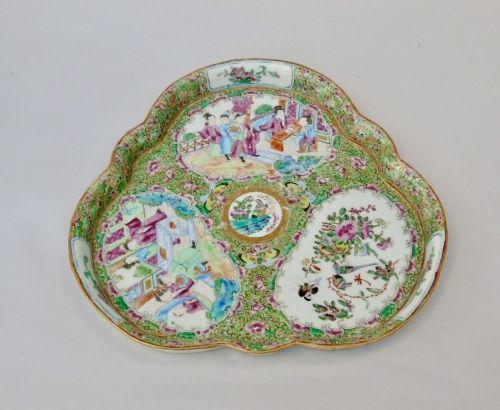
Japanese workshops utilised underglaze cobalt blue combined with overglaze iron red, green, and gold, while Chinese export pieces utilised the Famille Rose palette of opaque pinks and greens. Tin-glazed earthenware chargers received direct brushwork onto an absorbent white lead glaze before a final firing.
Ceramic Plate Painting Retail Price Guide 2026
Typical asking prices for ceramic plate painting among the pieces listed under this phrase on Sellingantiques today, from the lower quarter to the upper quarter. They describe what is for sale here now, not the wider market.
Listings feature porcelain, earthenware, and tin-glazed ceramic forms decorated with enamel, gold leaf, and glaze across the eighteenth and nineteenth centuries.
Distinctions in quality
The standard of ceramic plate painting is determined by the precision of the brushwork and the complexity of the palette. Studio-decorated pieces or works by named artists display a level of control and detail that distinguishes them from standard factory output.
The clarity of the glaze, the vibrancy of the enamels, and the crispness of any gilding indicate the skill applied during manufacturing and decoration. Well-preserved surfaces retain their original gloss and pigment depth without excessive rubbing from historical use.
James Giles·Barr Flight and Barr·Nantgarw porcelain·Grainger Lee and Co·Spode·H and R Daniel·Derby porcelain·Meissen porcelain·Chamberlains Worcester·Royal Worcester·Royal Crown Derby·Koshida·Shozo
The Ceramic Plate Painting Glossary
- Imari
- A style of Japanese export porcelain characterised by a palette of underglaze blue, iron red, and gold. It was widely imitated by European factories during the eighteenth and nineteenth centuries.
- Famille Rose
- A Chinese porcelain palette introduced in the eighteenth century, distinguished by opaque pink enamel derived from colloidal gold. It allowed artists to paint subtle gradations of tone on plates and chargers.
- Charger
- A large decorative plate intended for display on a sideboard or wall rather than for practical dining use. These pieces often feature the most elaborate painted compositions.
- Comport
- A raised dish or tazza used historically for serving fruit or dessert as part of a larger matching service. They frequently stand on a central foot or pedestal.
- Tin glaze
- An opaque white glaze containing tin oxide applied to earthenware, providing a smooth, absorbent ground for painted decoration in the Dutch Delft tradition.
Ceramic Plate Painting: Frequently Asked Questions
What is a cabinet plate?
A cabinet plate is a decorative ceramic dish intended for display inside a glass-fronted cabinet rather than for serving food at the dining table.
These pieces typically feature intricate hand-painted scenes, botanical studies, or rich gilding that would suffer from regular use.
How are Japanese Imari plates dated?
Japanese Imari plates are dated by examining the quality of the porcelain body, the specific shades of iron red and cobalt blue, and the edge forms such as scalloped rims.
Pieces from the Meiji period often display crisp, bright enamels and precise patterning distinct from earlier export wares.
Can antique painted plates be used?
While these items were originally functional tableware, antique painted plates with overglaze enamels or gold leaf are best preserved through careful display and minimal washing.
Harsh detergents and modern dishwashers can damage historical enamel painting and wear away delicate gilding over time.
What is a dessert service?
A dessert service is a matched set of plates, comports, and serving dishes created to present fruit and sweet courses at the conclusion of a formal meal.
Individual pieces from these services often survive independently, showcasing uniform hand-painted floral or landscape motifs.