



Ceramic Lidded Pot
A ceramic lidded pot brings together centuries of skilled hand painting, precious glazing, and quiet domestic utility.
Ceramic Lidded Pot
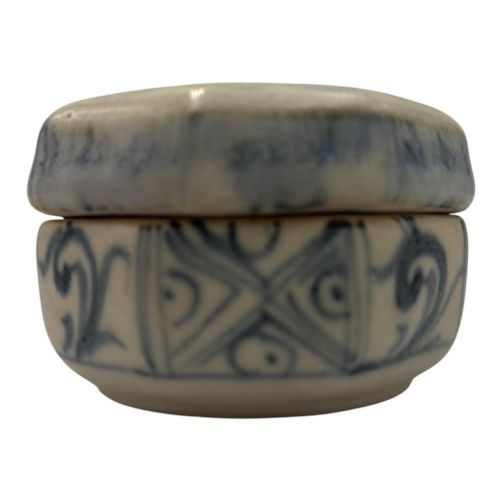
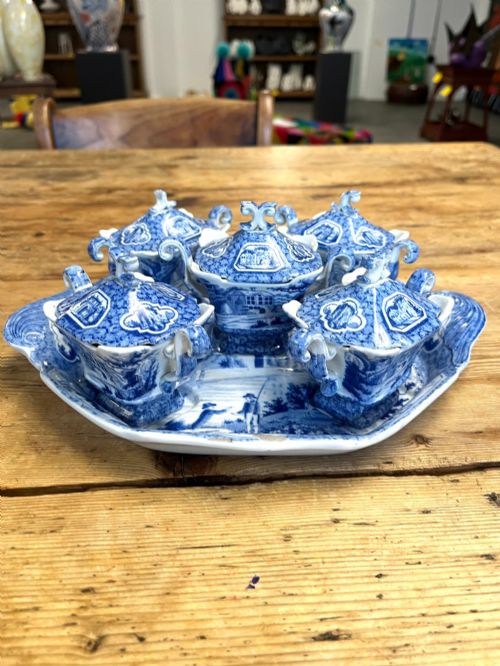
A ceramic lidded pot encompasses a broad variety of covered vessels designed for storage, scent, and display. When searching this phrase, a buyer encounters everything from nineteenth-century English earthenware sugar bowls and biscuit barrels to Japanese porcelain ginger jars and delicate French powder boxes.
The forms span domestic tablewares, small trinket boxes, and large decorative jars produced across multiple centuries. English factories, continental European makers, and Asian workshops all contributed distinct shapes to this category.
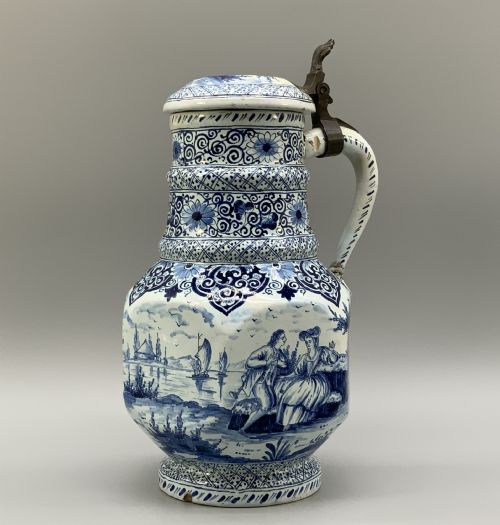
Vessels emerge from periods ranging from the seventeenth-century Delft earthenwares through Victorian Staffordshire and Royal Worcester creations up to Art Deco powder boxes. Buyers most frequently meet nineteenth-century porcelain and earthenware pieces decorated with floral motifs, hand-painted fruit, or traditional blue and white designs.
How they were made
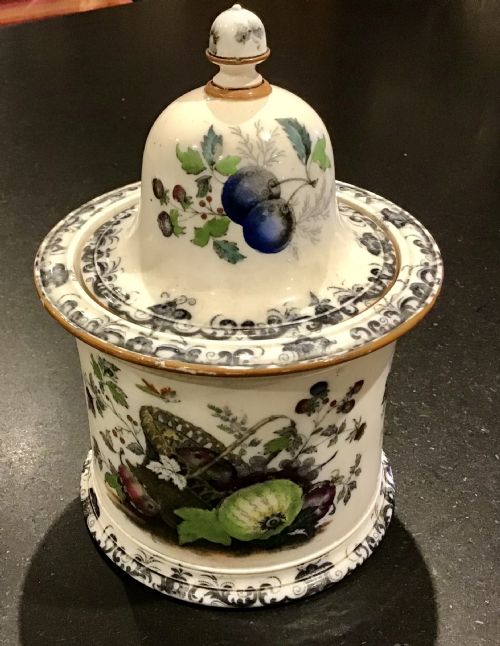
Potters shaped these covered vessels from earthenware, stoneware, and porcelain bodies before applying liquid glazes to seal the porous clay. Many pieces received meticulous hand-painted decoration in cobalt blue, polychrome enamels, or delicate underglaze pigments.
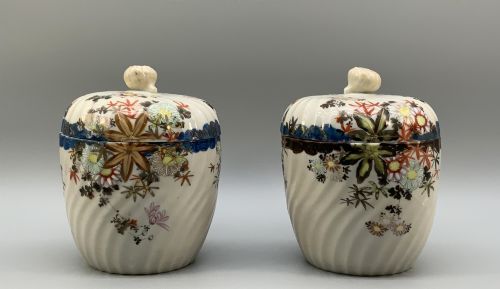
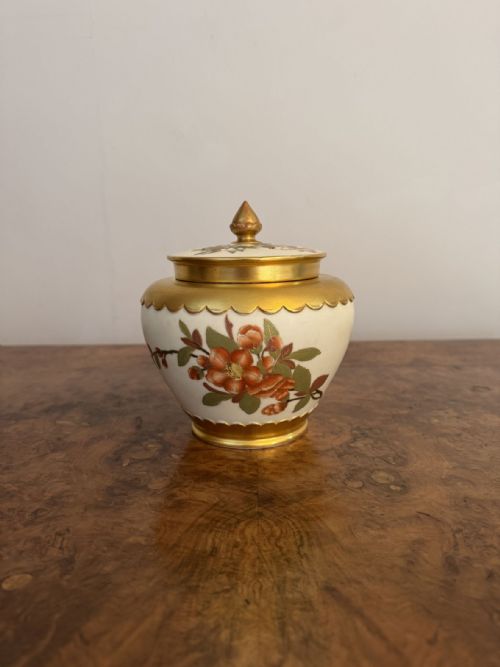
Finishing touches often included applied gold leaf and rich gilding fired onto the ceramic surface to accentuate rims, handles, and lids. Certain Japanese and European pieces combined the ceramic body with metal elements such as pewter mounts, silver plate, or intricate cloisonne enamel wirework.
Ceramic Lidded Pot Retail Price Guide 2026
Typical asking prices for ceramic lidded pot among the pieces listed under this phrase on Sellingantiques today, from the lower quarter to the upper quarter. They describe what is for sale here now, not the wider market.
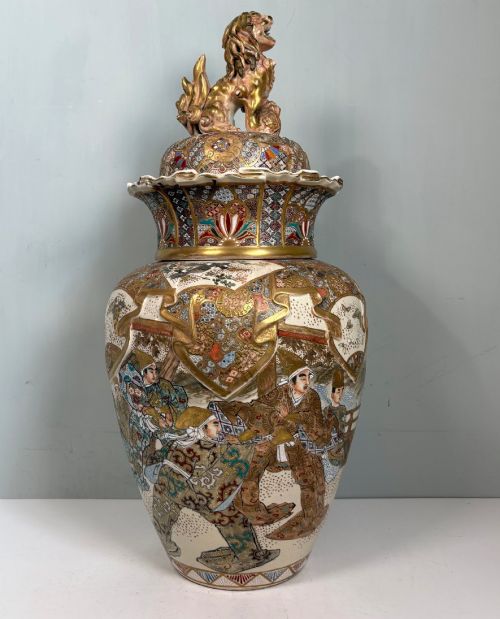
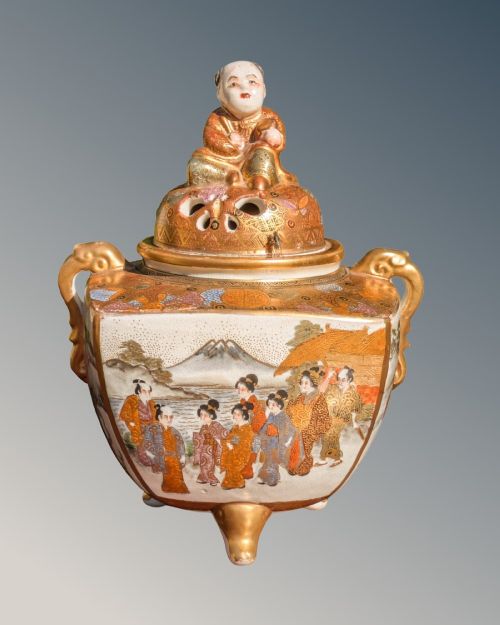
Asian influences appear across multiple pieces, including Japanese Satsuma and Imari wares alongside Dutch Delft adaptations.
What varies in quality
Quality rests upon the precision of the potter's throw and the clarity of the ceramic body, whether translucent porcelain or robust earthenware. Superior pieces display crisp definition in moulded details and a smooth, evenly distributed glaze free from major firing blemishes.
The distinction between standard domestic items and high-end cabinet pieces lies heavily in the painting. Master artists executed intricate floral studies, figural scenes, or fruit compositions with fine brushwork, while lesser examples relied on simpler transfer-printed outlines or repetitive factory decoration.
Royal Worcester·Spode·Meissen·Minton·Masons Ironstone
The Ceramic Lidded Pot Glossary
- Delft
- A tin-glazed earthenware originating in the Netherlands and England, typically decorated in blue and white. It often mimics Chinese porcelain imports.
- Koro
- A Japanese traditional incense burner featuring a perforated lid. These vessels frequently rest on three feet and display elaborate Satsuma or Imari decoration.
- Potpourri
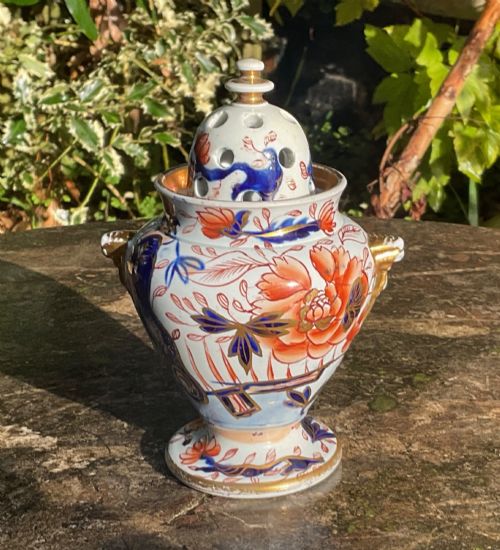
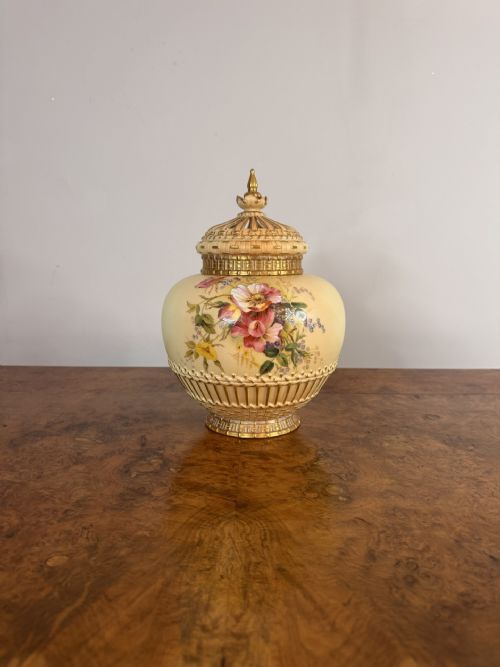
- A covered pot or vase pierced with small holes to release the scent of dried flower petals and spices contained within. Royal Worcester produced many notable examples.
- Sucrier
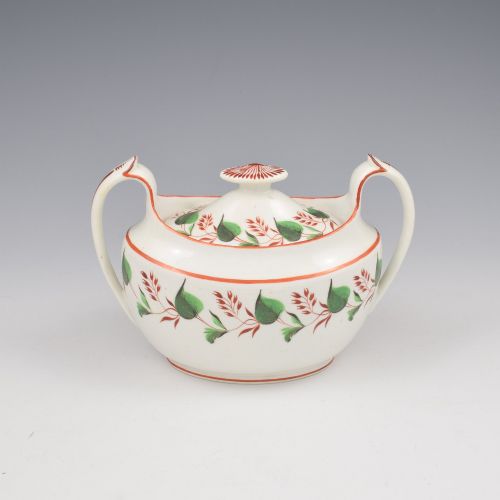
- A small covered sugar bowl designed for the tea table. These vessels form part of broader ceramic tea services from the eighteenth and nineteenth centuries.
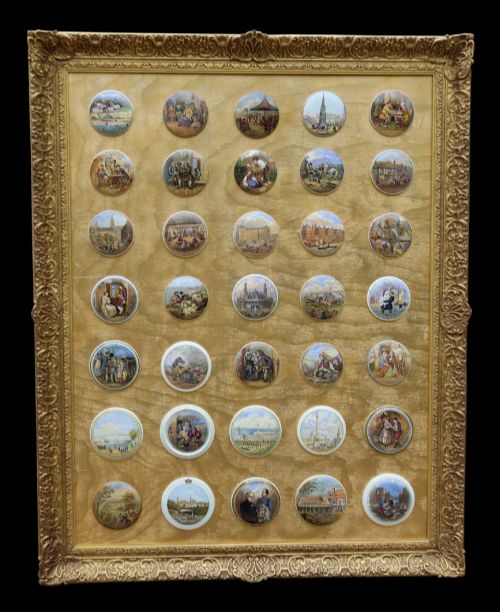
- Prattware
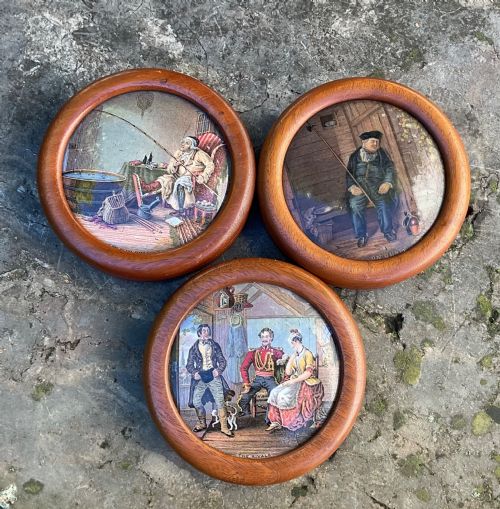
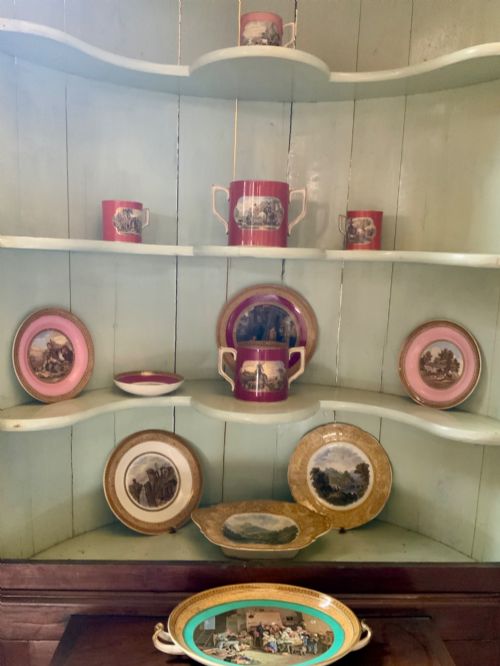
- A type of English earthenware associated with multicoloured underglaze decoration, often featuring historical scenes or commemorative subjects on lids and plaques.
Ceramic Lidded Pot: Frequently Asked Questions
What were ceramic lidded pots used for?
These covered vessels served numerous domestic and decorative functions depending on their specific form and size. Many held dry goods, sugar, jam, or tobacco, while others functioned as powder boxes, trinket keepers, or receptacles for fragrant potpourri.
Larger jars often stood on side tables purely for display, showcasing the skill of the potter and painter. Smaller boxes sat upon dressing tables to safeguard personal valuables and cosmetics.
How do I date a ceramic lidded pot?
Dating relies upon examining the ceramic body, glaze characteristics, and any factory marks stamped or painted on the base. Stylistic cues such as Victorian ornamentation, Art Deco geometric lines, or Meiji period motifs provide clear temporal markers.
Porcelain composition and the style of hand-painted decoration also shift noticeably across centuries. Comparing base markings against standard pottery registers helps narrow the production era further.
Are potpourri pots different from standard jars?
Potpourri pots feature pierced lids or perforated shoulders specifically designed to allow scented materials to air freely into a room. Standard storage jars and ginger pots possess solid, airtight covers meant to preserve contents.
This functional distinction shapes the overall design, as potpourri vessels often prioritize decorative apertures over secure containment. Many fine nineteenth-century examples incorporated elaborate pierced covers into their decorative schemes.
How should I display these pots at home?
These pieces suit mantelpieces, cabinet shelves, and occasional tables where their glazes and painted details catch the light. Grouping items of varying heights and forms creates visual interest without cluttering a surface.
Lidded pots look particularly striking when placed away from direct sunlight to protect enamel colours. Pairing them with complementary ceramics or placing them on wooden surfaces highlights their varied textures.