





Ceramic Female Statue
A ceramic female statue brings classical poise and detailed period craftsmanship into a room.
Ceramic Female Statue
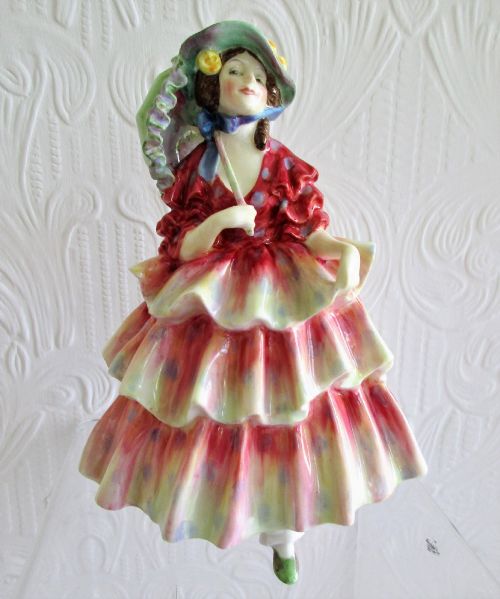
When searching for a ceramic female statue, buyers encounter figures, busts, and sculptural groups spanning the nineteenth and early twentieth centuries. These works take the form of classical maidens, dancers, allegorical representations, and literary heroines rendered in three dimensions.
The versions most commonly met on this page originate from European factories and studios working in Victorian, Edwardian, Art Nouveau, and Art Deco styles. They range from small tabletop porcelain figures to monumental earthenware and terracotta models produced by major manufactories.
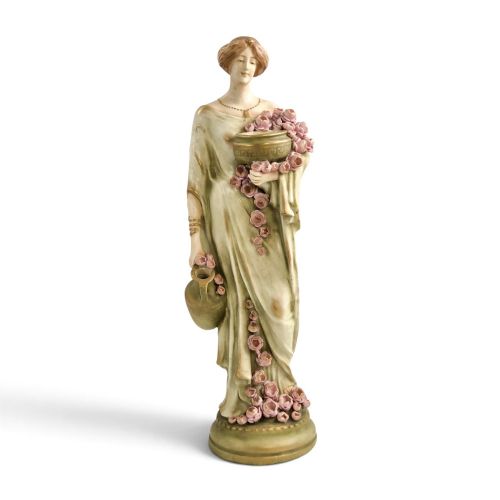
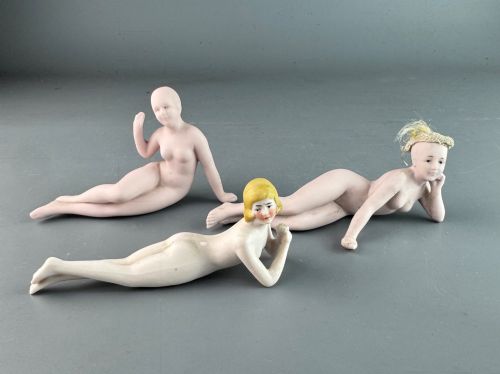
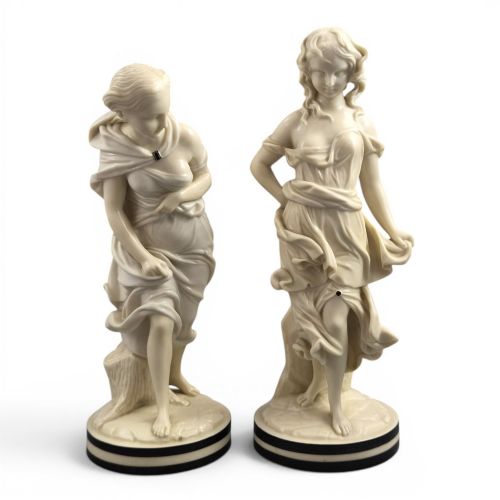
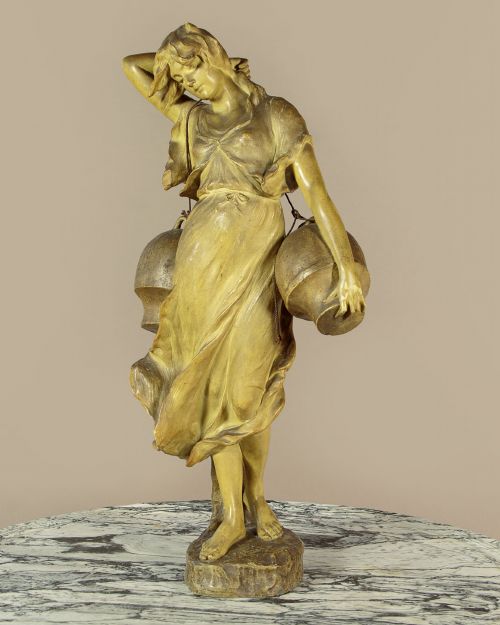
Makers often drew inspiration from mythology, history, and natural forms, resulting in depictions of water carriers, bathers, and historical figures. These sculptures served primarily as decorative centerpieces and cabinet pieces for period interiors.
How They Were Made
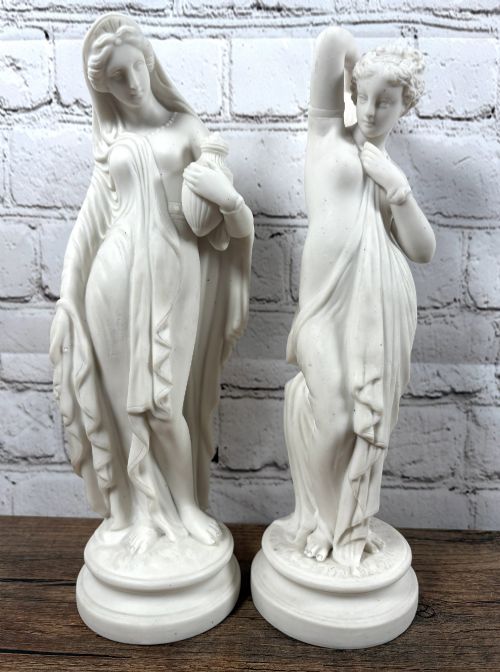
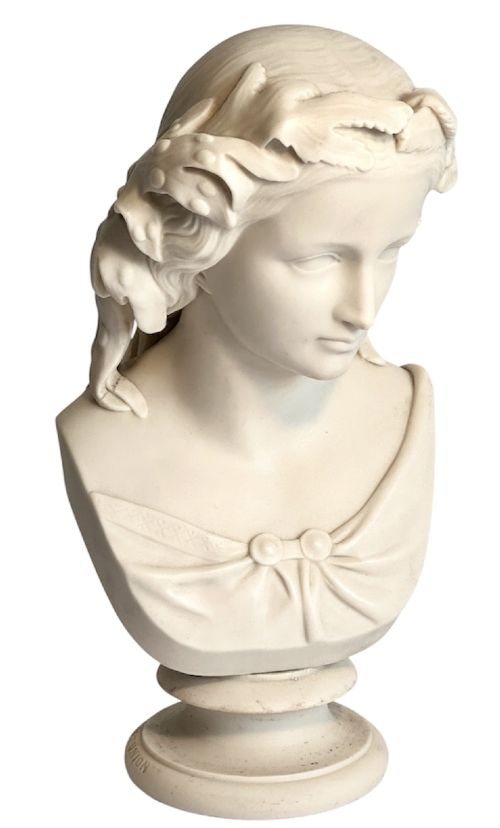
Manufacturers utilised a variety of ceramic bodies, principally porcelain, Parian porcelain, terracotta, and earthenware. Parian ware offered a matte finish that resembled carved marble, while traditional porcelain provided a smooth, vitreous surface suitable for glazed and painted details.
Modelters shaped these figures using moulds, often collaborating with known artists and sculptors who designed the original forms. Details such as facial expressions, hair, and drapery were then refined by hand before firing.
Surface decoration involved hand-painting, gilding with gold leaf, and applying coloured enamels or shot enamels that shifted tone in the light. Terracotta pieces frequently received bronzed or painted patinations to imitate metal or stone.
Ceramic Female Statue Retail Price Guide 2026
Typical asking prices for ceramic female statue among the pieces listed under this phrase on Sellingantiques today, from the lower quarter to the upper quarter. They describe what is for sale here now, not the wider market.
Listings feature nineteenth and twentieth century figures created from porcelain, terracotta, and Parian ware across Victorian and Art Nouveau styles.
What Varies in Quality
The execution of the surface finish also divides the standard of production. Expert hand-painting, subtle enamel shading, and precise application of gilding elevate a sculpture, whereas flat or heavy-handed colour application diminishes the visual impact.
Royal Worcester·Royal Dux Bohemia·Goldscheider·Copeland·Ernst Wahliss
The Ceramic Female Statue Glossary
- Parian porcelain
- A fine-grained, unglazed porcelain developed in the nineteenth century to imitate carved marble. It fires to a smooth, matte white texture.
- Bust
- A sculpted representation of a person from the chest or shoulders up. This form focuses attention on the facial expression and hairstyle.
- Bisque porcelain
- Unglazed ceramic fired once to produce a matte, porous surface resembling marble. It captures delicate contours without the glossy shine of traditional glazes.
- Terracotta
- A porous, brownish-red earthenware fired at relatively low temperatures. Sculptors often utilised it for expressive portraits and patinated figures.
- Allegorical figure
- A symbolic sculpture representing an abstract concept, season, or virtue through human form. Artists frequently employed attributes like cornucopias or baskets of fruit to signal the theme.
Ceramic Female Statue: Frequently Asked Questions
What periods do these sculptures cover?
The pieces span the Victorian and Edwardian eras, stretching from the mid-nineteenth century through the Art Nouveau and Art Deco periods of the early twentieth century. Earlier styles such as Neoclassical and Rococo Revival also heavily influence the designs.
Production methods and aesthetic preferences shifted across these decades, moving from ornate classical subjects towards stylised modernist forms.
How were these figures displayed originally?
Owners placed these sculptures on mantelpieces, side tables, and dedicated pedestals within domestic interiors. Large examples often served as table centrepieces or prominent focal points in reception rooms.
Their placement was intended to demonstrate the cultural refinement and artistic taste of the household.
How do I care for ceramic statues?
Dusting gently with a soft, dry brush preserves the delicate details and fragile extremities of unglazed porcelain and terracotta. Avoid using liquid cleaners or abrasive cloths, particularly on painted or gilded surfaces.
Keeping them away from direct sunlight and heavy moisture protects the finish over time.