
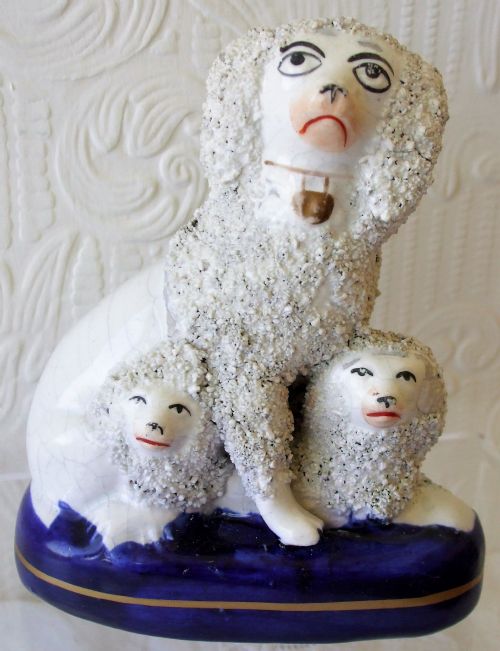


Ceramic Animal Statuette
These ceramic animal statuettes bring character to a room through centuries of modelled earthenware, porcelain, and jade.
Ceramic Animal Statuette
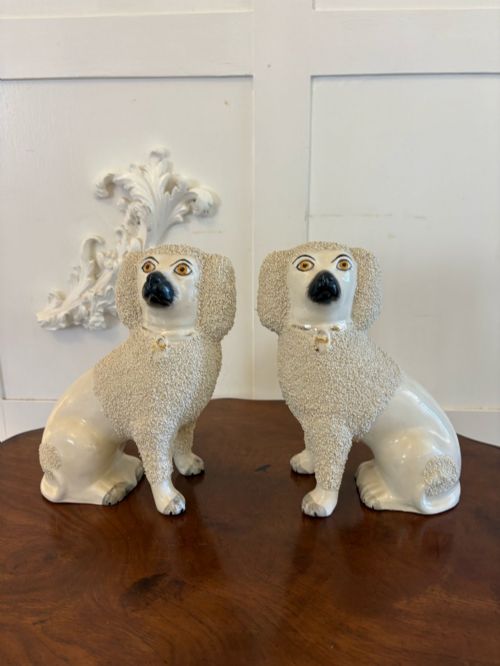
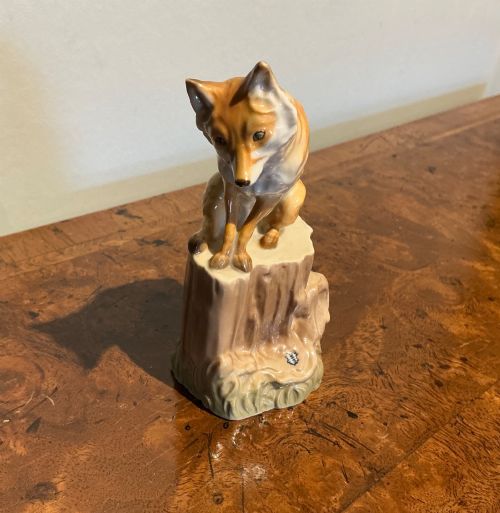
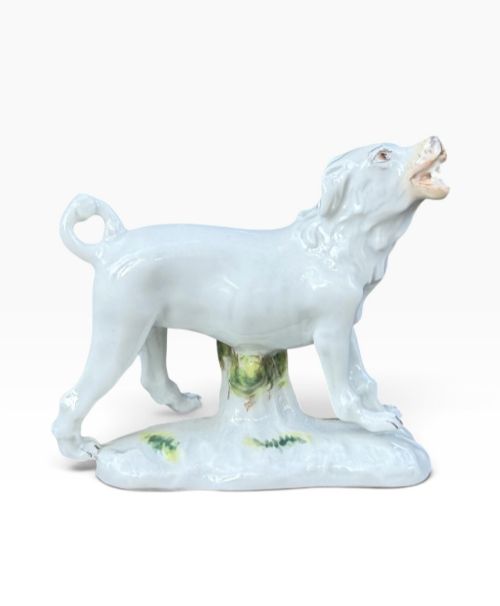
When you search for a ceramic animal statuette, you look at figures ranging from Staffordshire poodles and lions to Meissen monkeys and dogs. These pieces span the eighteenth century to the art deco period, offering domestic animals, exotic beasts, and birds modelled in porcelain, earthenware, and pottery.
You are most likely to meet Victorian Staffordshire figures and continental porcelain animals on this page. The selection encompasses English pottery groups, German porcelain, French cats with glass eyes, and Japanese Hirado puppies.
How they were made
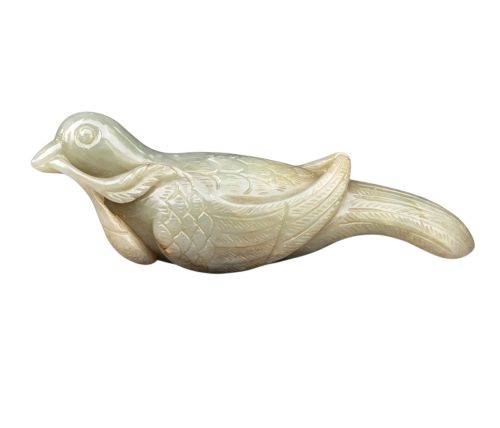
Makers shaped these statuettes using earthenware, pottery, and hard-paste porcelain, often applying lead glaze, enamel, or coloured glazes to the surface. Some pieces incorporate glass eyes or delicate hand-carved jade details.
A French art deco cat gazes out with inserted glass eyes, bringing a watchful presence to the shelf.
What varies in quality
Quality rests upon the crispness of the modelling and the finesse of the hand-painting. A superior piece shows careful attention to expression and posture, whereas a lesser example relies on heavy, uniform glazing that obscures detail.
The pedigree of the workshop also shifts the standing of an item. Established manufactories and named periods command greater interest due to the precision of their porcelain bodies and the sophistication of their enamel palettes.
Meissen·Nymphenburg·Royal Dux·Carl Thieme Dresden
The Ceramic Animal Statuette Glossary
- Staffordshire
- Pottery figures produced in the Staffordshire region of England, known for popular domestic animal groups like poodles and lions.
- Hard-paste porcelain
- A dense ceramic material composed of kaolin and petuntse, fired at high temperatures to create a durable, glossy body.
- Lead glaze
- A transparent or coloured coating containing lead oxide, applied to earthenware to give a shiny, protective finish.
- Celadon
- A pale green jade or jade-imitating glaze with a translucent quality, traditional in East Asian carving.
- Enamel
- Opaque glass-like pigments applied over fired ceramic bodies and refired to fuse the colours permanently.
Ceramic Animal Statuette: Frequently Asked Questions
How do I date an antique ceramic animal?
Dating relies on stylistic markers, base marks, and the type of ceramic body used. Victorian Staffordshire pieces often feature distinct modelling and earthenware bases, while eighteenth-century porcelain carries specific factory marks and painting styles.
Examining the glaze and wear patterns helps place an object within periods like the art deco era or the nineteenth century.
Where were Staffordshire poodles made?
Staffordshire poodles were produced by various potteries in the Staffordshire region of England during the nineteenth century. These utilitarian decorative objects were moulded for domestic mantelpieces.
They often appear in pairs, reflecting Victorian interior display tastes.
What is Hirado porcelain?
Hirado porcelain originates from Japan and is celebrated for its refined white body and fine-scale modelling. Puppy and animal figures from this tradition show exceptional attention to anatomical detail.
These statuettes represent Japanese ceramic production around the turn of the twentieth century.