

Central Asian Tribal Weave
A central asian tribal weave brings the nomadic textiles of nineteenth and early twentieth century steppes straight into modern rooms.
Central Asian Tribal Weave
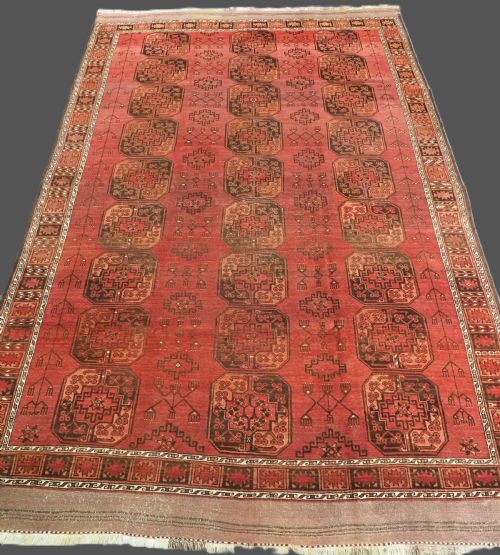
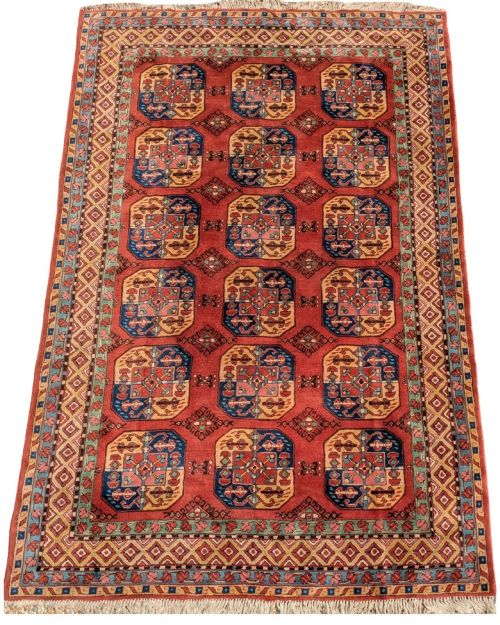
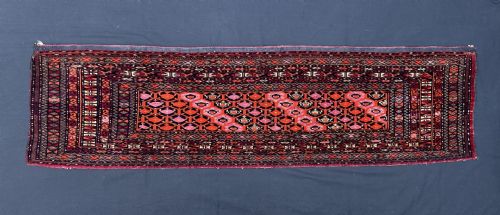
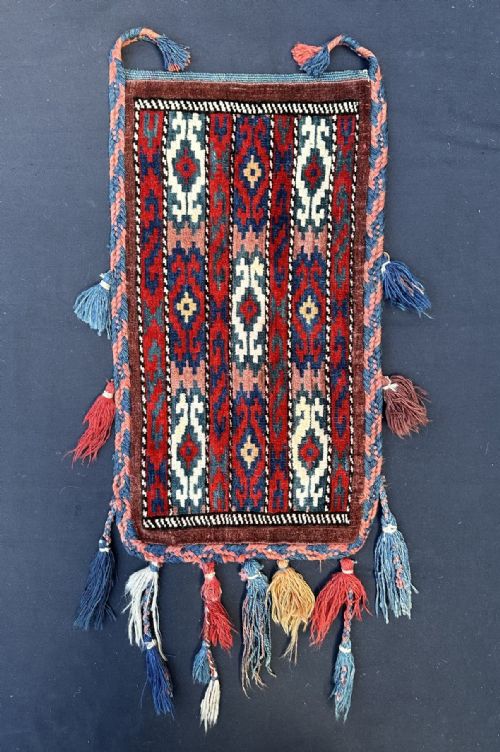
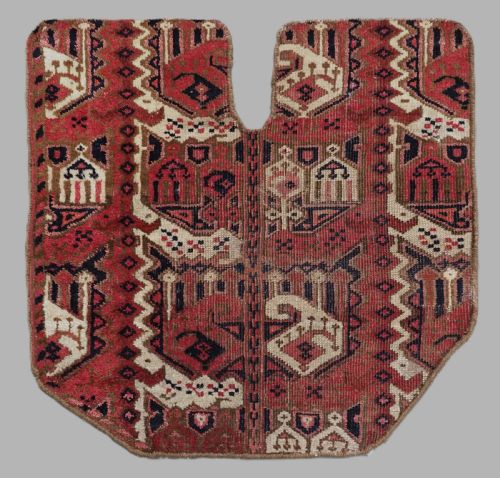
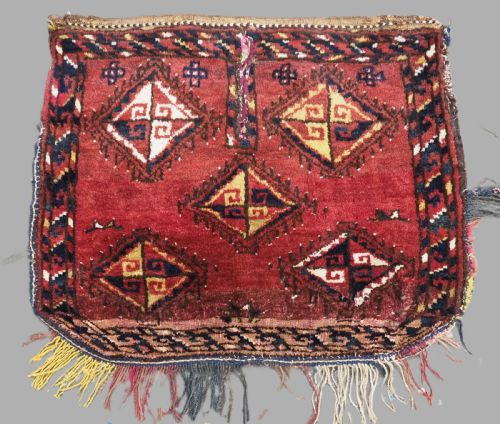
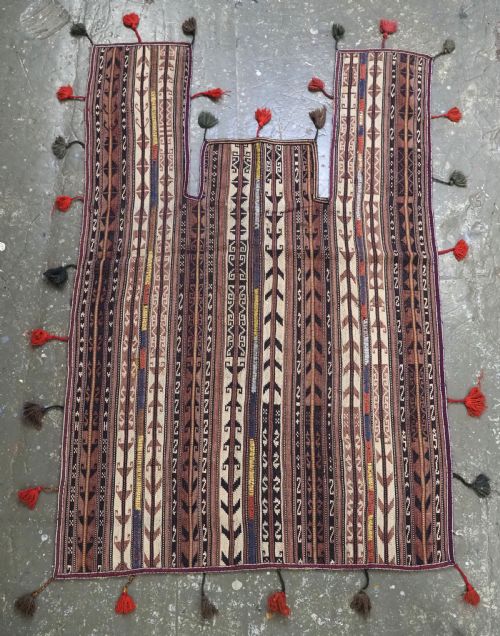
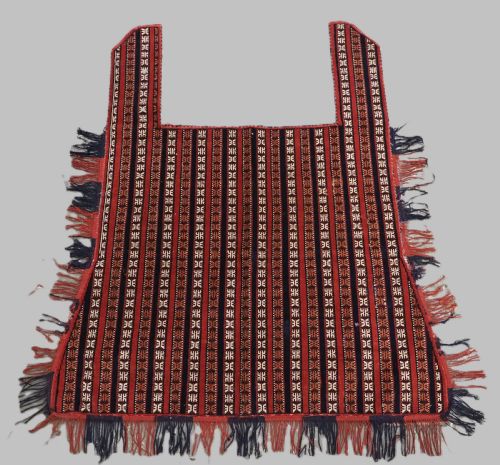
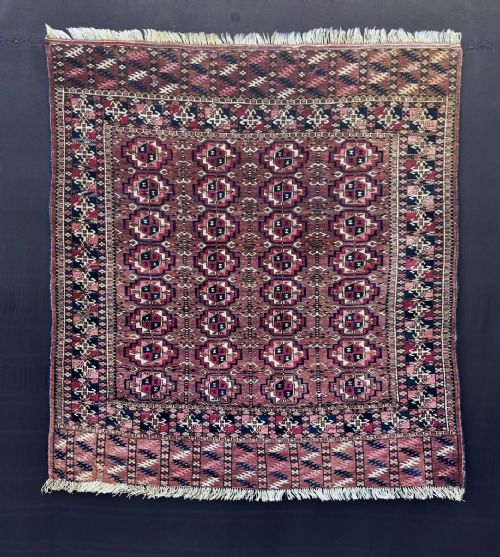
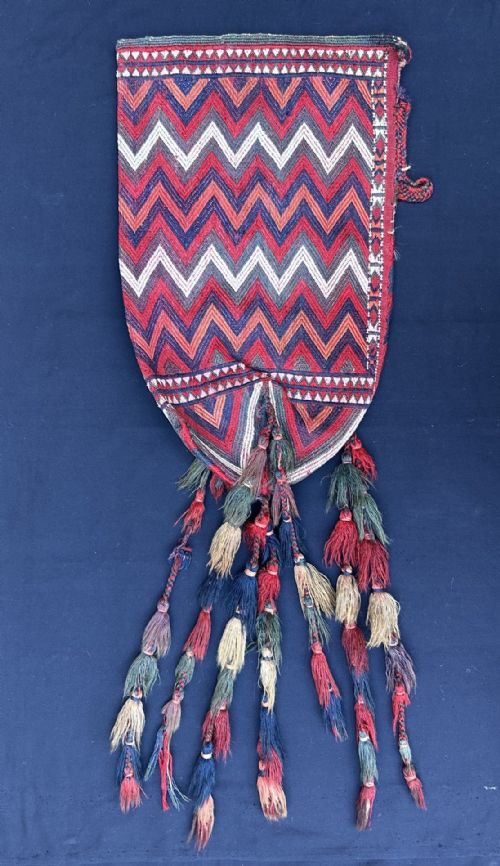
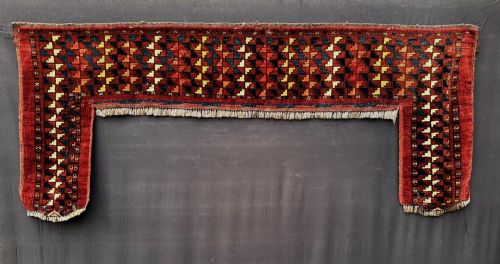
Buyers frequently encounter functional domestic items such as torbas, chuvals, and saddle covers alongside larger main carpets and ceremonial horse blankets. Specific tribal groups including the Tekke, Yomut, Ersari, Saryk, and Chodor produced these characteristic forms.
Formats range from square cushion faces and small storage bags to expansive floor coverings and wall hangings. Each textile carries traditional motifs tied to the heritage of specific oases and steppes.
Materials and construction
Makers utilised hand-spun wool for the pile and foundation, frequently combining wool with cotton and occasional silk highlights. Natural dyes provided the characteristic deep palette found across these nomadic textiles.
Weavers knotted the wool tightly onto supportive warps and wefts, creating dense structures designed to withstand daily nomadic life. Utilitarian items often incorporated plain weave backs or embroidered details to finish the edges.
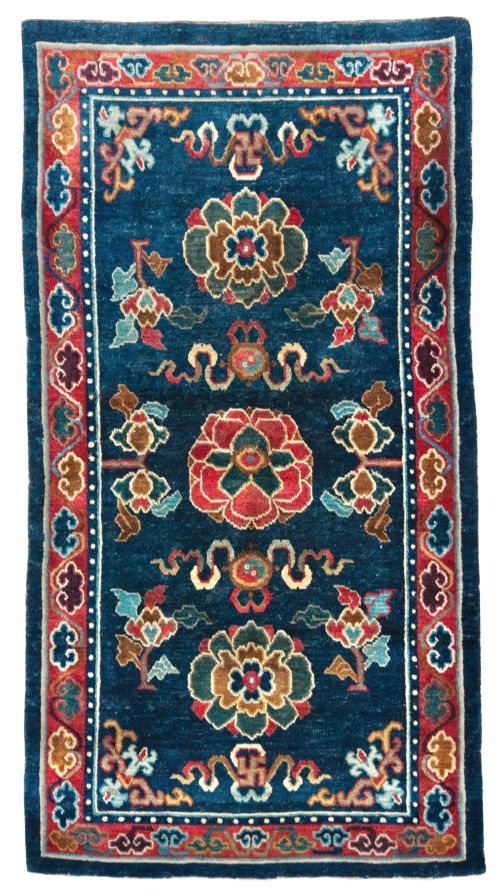
Listings feature wool, cotton, and silk textiles spanning from eighteen-fifty to nineteen-thirty across Turkmen, Uzbek, and Tibetan origins.
Judging the work
Quality rests upon the fineness of the knotting and the precision of the tribal guls and geometric patterns executed across the face. Tighter structures and well-drawn motifs indicate superior workshop or domestic execution.
The vibrancy and depth of the natural dyes significantly influence the visual impact of the textile. Intact original details, such as tassels and complete plain weave backs, elevate the integrity of the piece.
The Central Asian Tribal Weave Glossary
- Gul
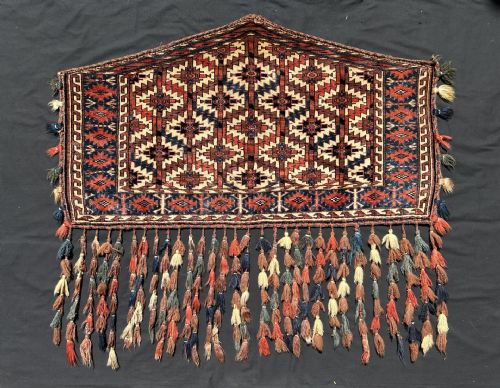
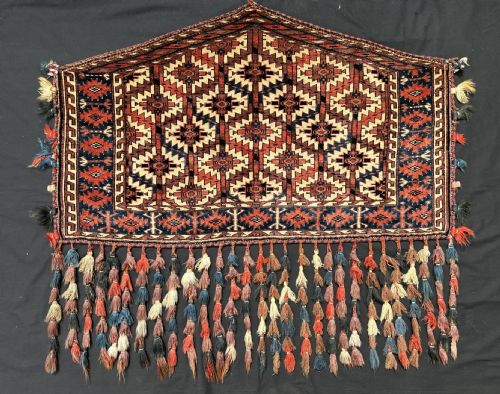
- A repeating medallion motif used across tribal carpets and bag faces to identify specific groups. These primary octagonal or gabled designs form the backbone of the composition.
- Torba
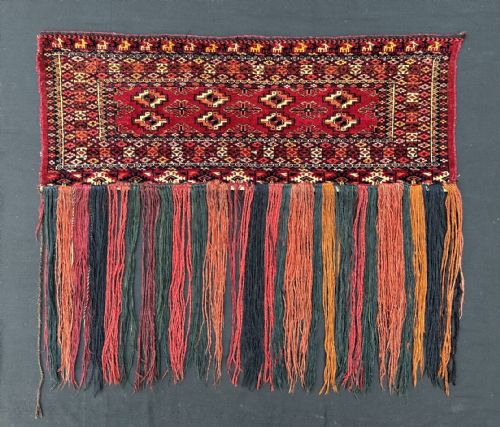
- A small storage bag produced by nomadic weavers for use inside the tent. They often feature elaborate face designs and were hung against lattice walls.
- Chuval
- A large tent bag utilised for bedding and household storage by Turkmen and related tribes. These pieces typically display multiple rows of major guls.
- Asmalyk
- A pentagonal trapping mounted on the flanks of a camel during wedding processions. These ceremonial hangings display distinct regional iconography.
- Kaplyk
- A specialised cover designed for tent doorways or specific household items. They reflect the structural needs of nomadic dwellings.
Central Asian Tribal Weave: Frequently Asked Questions
What is a tribal bag face?
A bag face is the decorative front portion of a utilitarian storage sack created by nomadic weavers for domestic use inside a tent.
Over decades of use, collectors often removed the plain backings, leaving only the intricately knotted face to be mounted as a textile art piece.
How were horse covers used?
Ceremonial horse blankets and saddle covers were draped over mounts during important tribal celebrations and wedding processions across Central Asia.
These textiles combined protective utility with overt displays of tribal status and weaving skill.
Which tribes made these carpets?
Nomadic and semi-nomadic groups including the Tekke, Yomut, Ersari, Saryk, and Chodor produced these distinctive woven objects across the steppes and oases.
Each tribe utilised specific design vocabularies and colour palettes that allowed members to identify the origin of a piece instantly.
How do I date these textiles?
Dating relies on assessing the structural materials, the chemical composition of the natural dyes, and the stylistic evolution of the tribal motifs.
Pieces originating from the mid-nineteenth century generally display softer wool handling and distinct dye variations compared to early twentieth-century examples.