
Central Asian Silk Textile
A central asian silk textile brings vibrant regional artistry and historic needlework directly into modern interiors through embroidered wall hangings and woven panels.
Central Asian Silk Textile
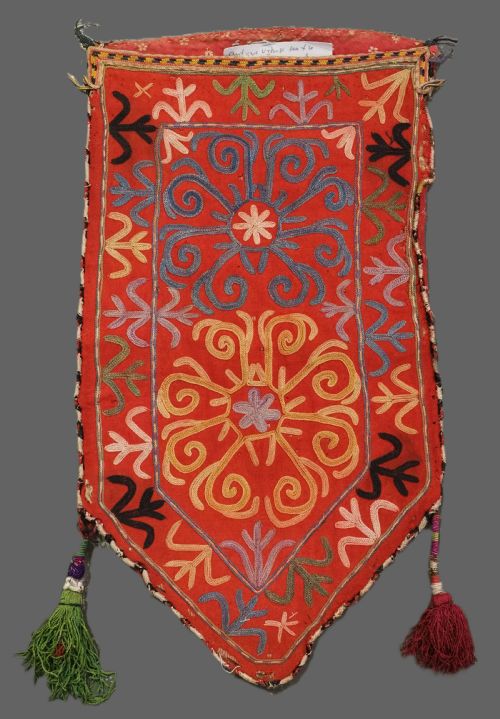
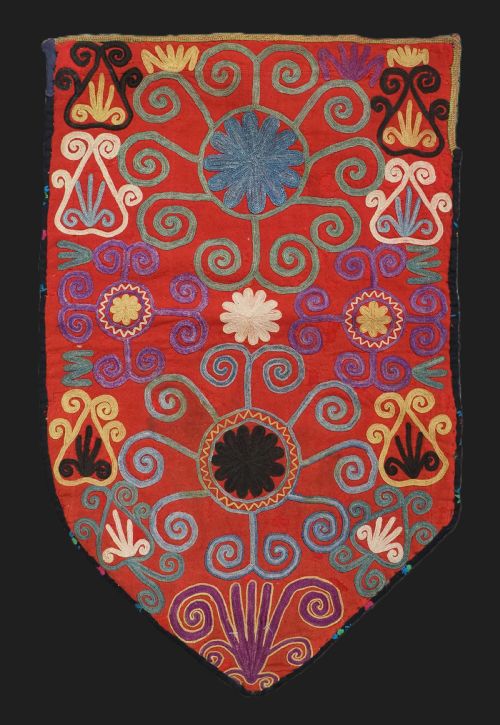
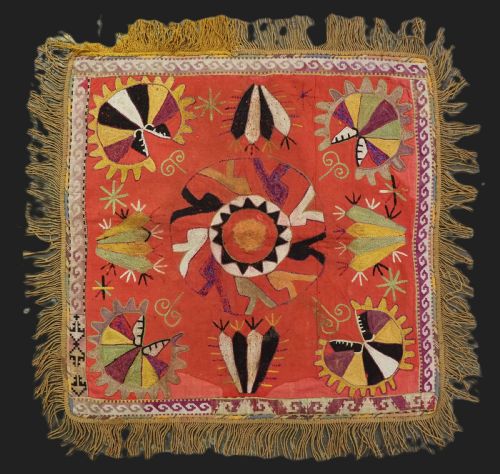
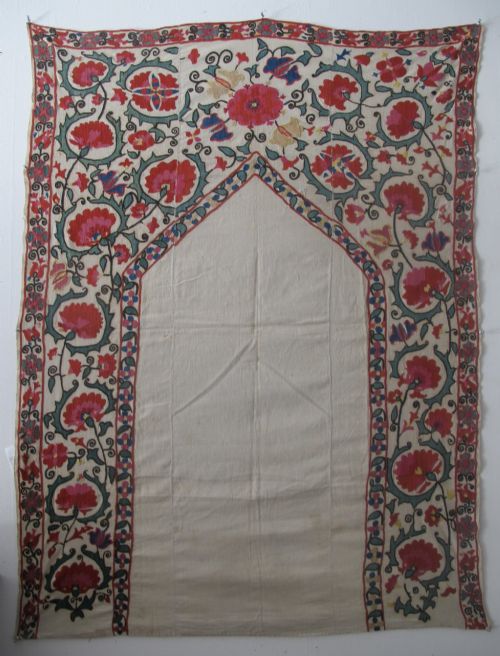
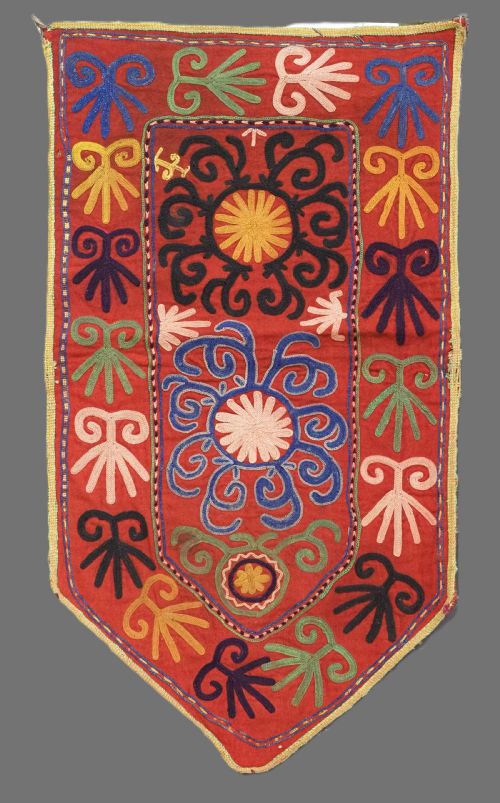
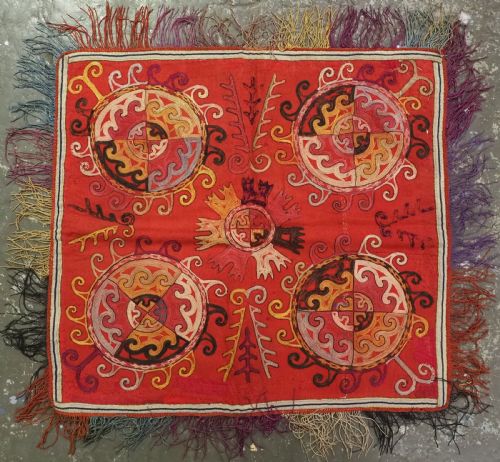
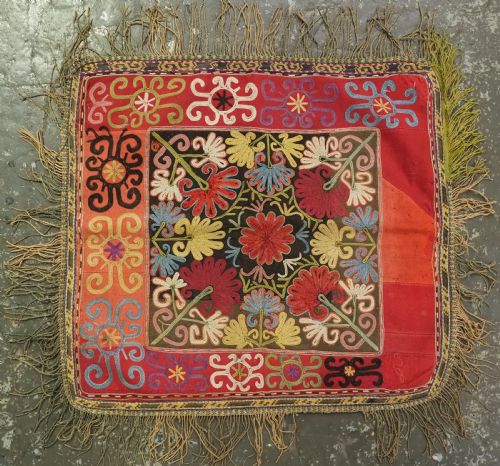
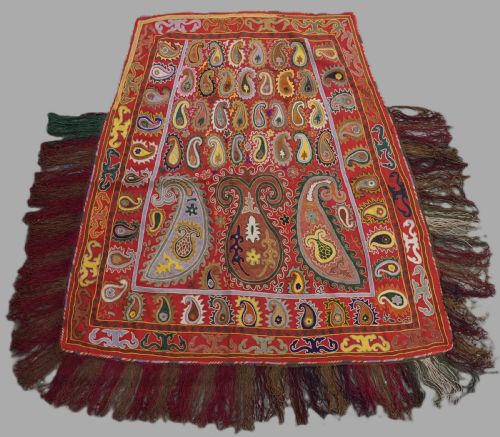
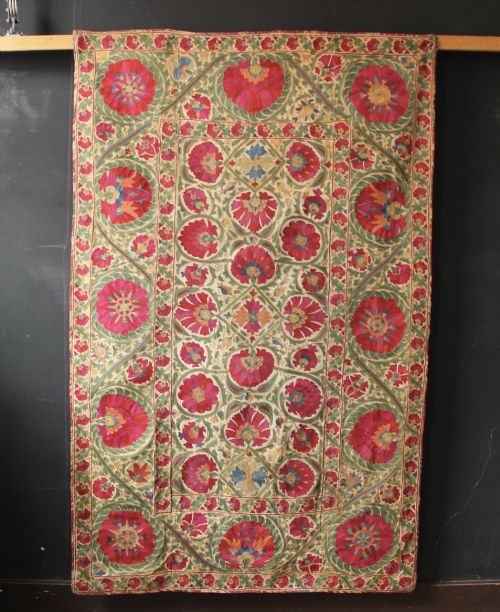
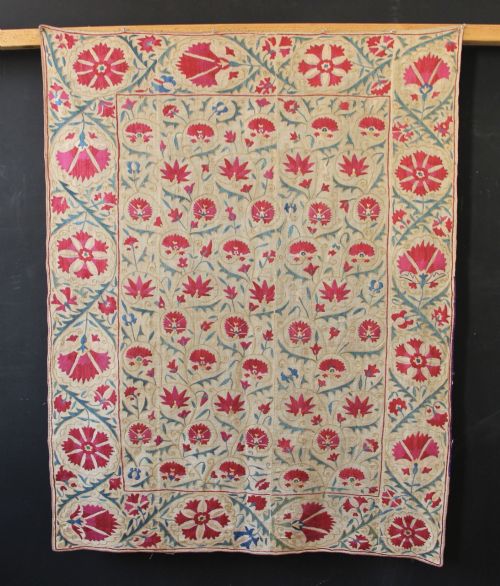
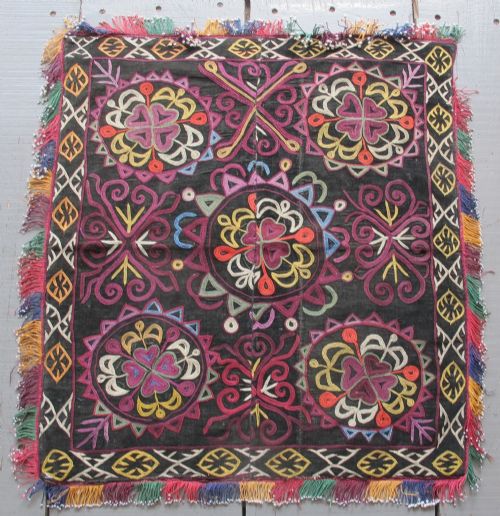
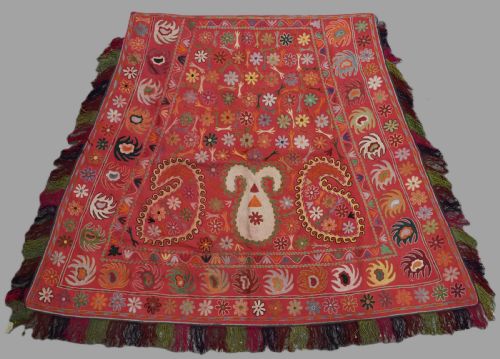
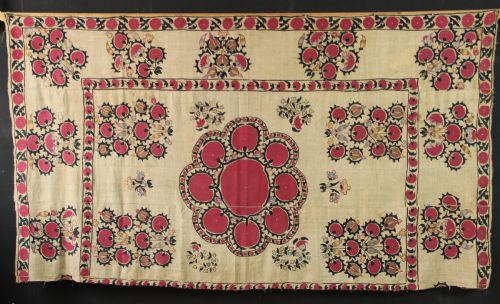
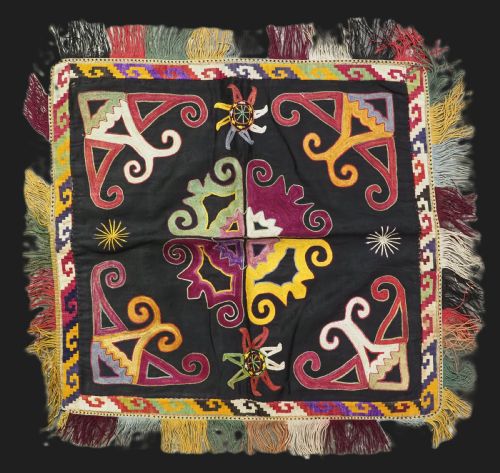
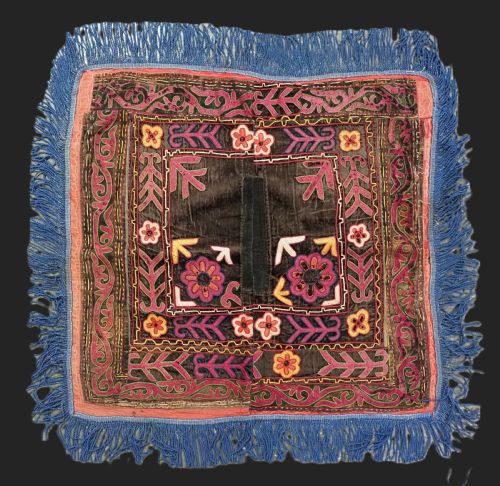
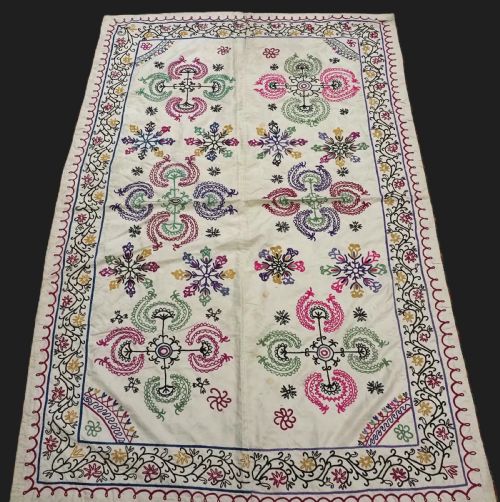
When you examine a central asian silk textile, you encounter traditional needlework and woven fabrics originating from nineteenth and early twentieth-century Central Asia, including Uzbekistan and surrounding regions. The selections on this page feature distinctive regional forms such as suzani wall hangings, lakai tribe ilgich dowry pieces, ceremonial horse covers, ikat fabric panels, and tailored garments like khalats.
These items were created for domestic use, ceremonial display, or personal attire within tribal and urban communities. Surviving examples reflect the rich decorative traditions of groups such as the Uzbeks, Tajiks, and Turkmens, spanning periods from the mid-nineteenth century to the nineteen-thirties.
Distinctions in quality
Quality in a central asian silk textile is determined by the fineness of the needlework, the complexity of the design layout, and the preservation of the ground materials. Pieces displaying dense, even stitching and well-balanced compositions represent superior craftsmanship compared to simpler or more coarsely worked examples.
The vibrancy and retention of natural or early synthetic dye colours also influence the overall character of the piece. Additionally, the complexity of regional designs - such as intricate architectural suzani motifs or dynamic tribal embroidery - differentiates standard decorative items from exceptional historic works.
The listings on this page span the mid-nineteenth century through the nineteen-thirties, showcasing silk, cotton, wool, velvet, and glass beads.
The Central Asian Silk Textile Glossary
- Ikat
- A dyeing and weaving technique where yarn is resist-dyed prior to being woven into fabric, creating characteristic blurred pattern edges. In Central Asia, this process produced vibrant silk and semi-silk cloth for panels and garments.
- Ilgich
- A specific form of tribal embroidery or wall hanging associated with the Lakai people. These pieces often feature energetic geometric and zoomorphic motifs.
- Adras
- A traditional hybrid fabric woven with a silk warp and a cotton weft. It combines the lustrous appearance of silk with the sturdiness of cotton.
- Khalat
- A traditional long, loose-fitting outer robe or coat worn in Central Asia. They are frequently fashioned from boldly patterned silk ikat fabrics.
Central Asian Silk Textile: Frequently Asked Questions
What is a suzani?
A suzani is a large embroidered textile created in regions such as Uzbekistan, historically worked by brides and their families as part of a traditional dowry.
These pieces were typically used as wall hangings, bed covers, or decorative domestic furnishings, featuring vibrant floral or geometric designs.
How were these textiles used?
Historic central asian silk textile pieces served multiple functions within domestic and ceremonial life, ranging from household wall hangings and dowry items to horse covers.
Garments like coats and robes were worn for daily warmth or ceremonial occasions, while smaller panels functioned as mirror covers or storage bags.
How should I care for a textile?
Display these historic items away from direct sunlight to prevent the fading of natural silk threads and dyed ground fabrics. Mounting them professionally on padded supports helps distribute weight evenly without damaging the original material.
Avoid folding fragile antique embroidered panels for extended periods to prevent stress along the creased areas.
How do I identify tribal pieces?
Tribal works, such as those from the Lakai or Turkmen communities, often display distinct geometric motifs, compact compositions, and dynamic uses of colour. They frequently appear on smaller utilitarian items like bag faces, saddle covers, and dowry embroideries.
Urban workshop pieces, by contrast, tend to feature larger, more formal floral medallions and architectural layouts.