

Uzbek Lakai Textile
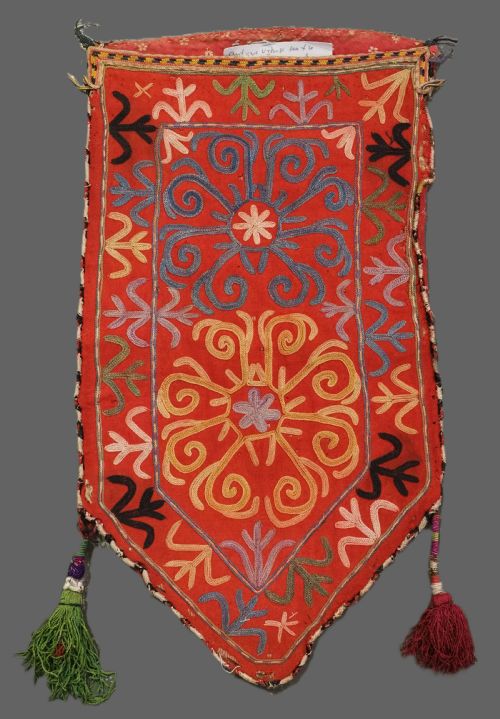
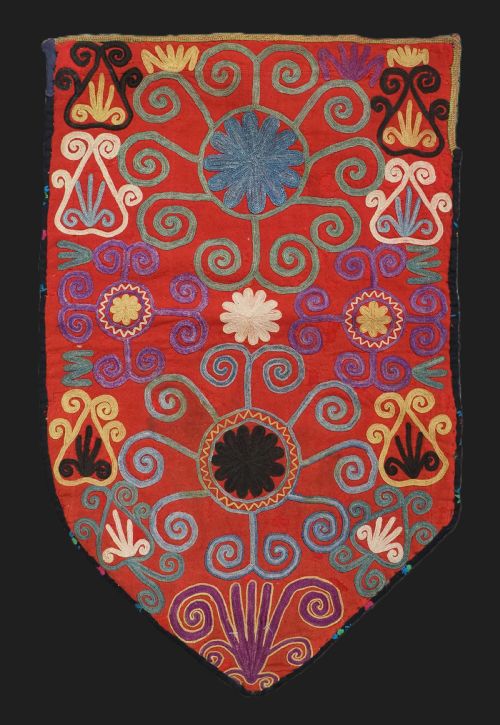
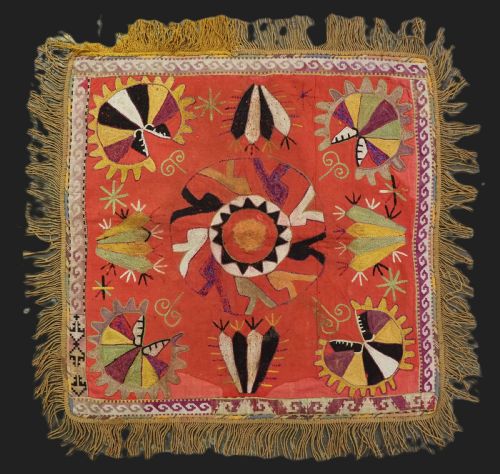
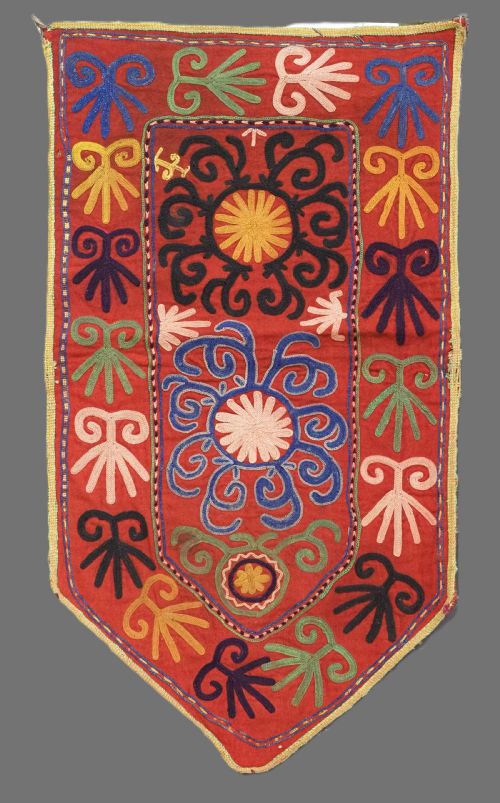
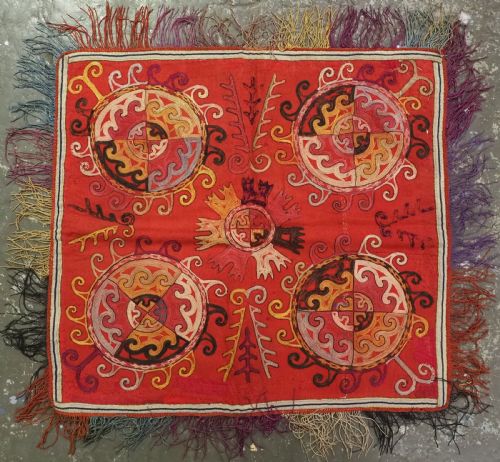
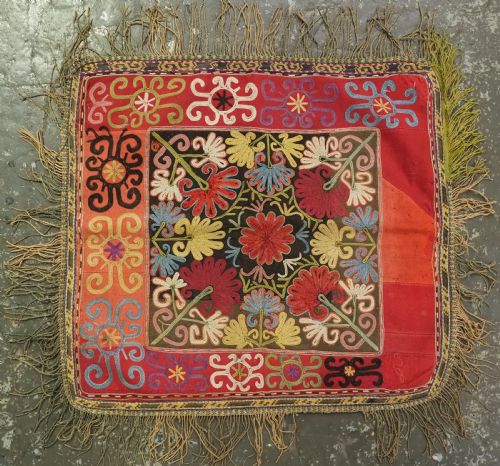
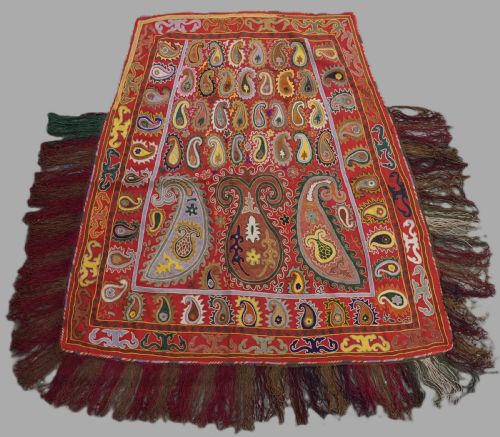
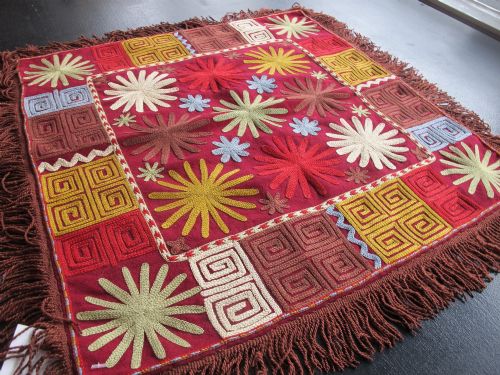
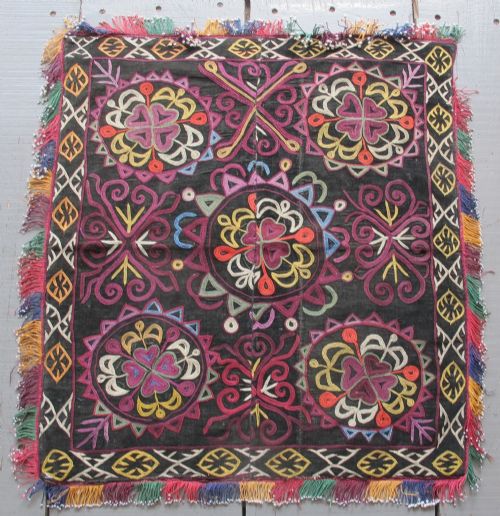
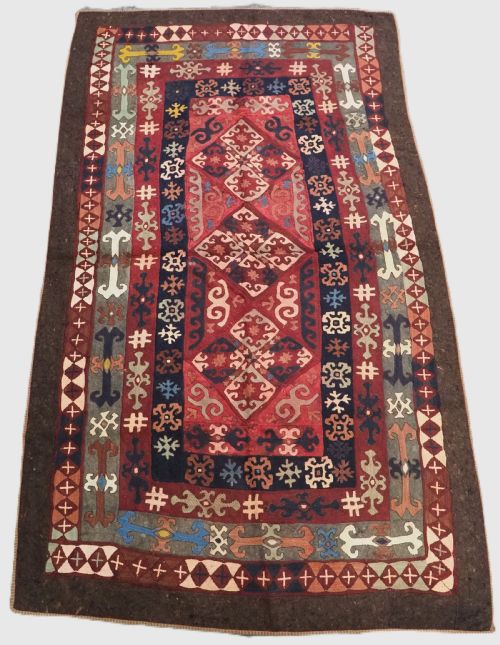
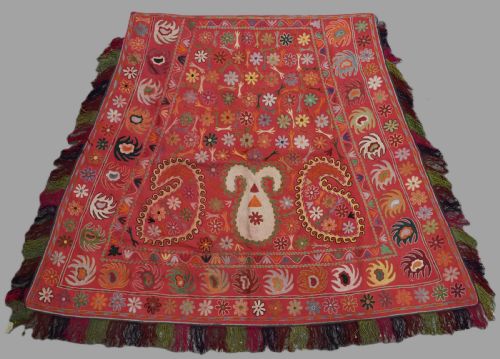
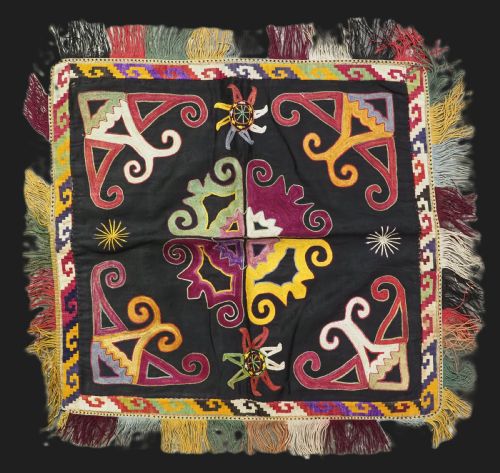
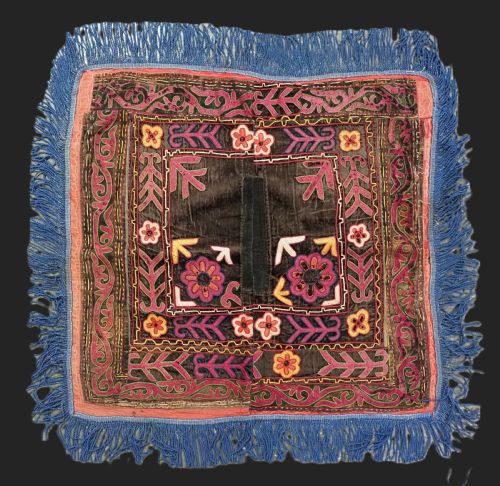
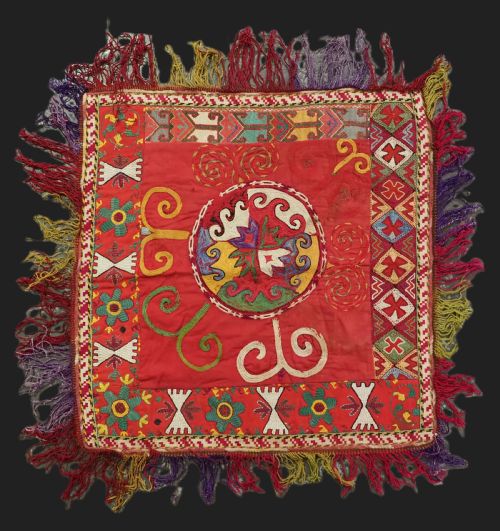
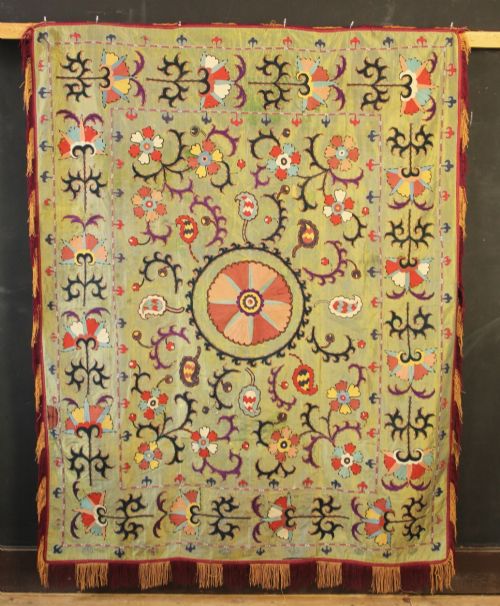
These vibrant textile panels and wall hangings carry the distinct embroidery work of the Lakai people.
Uzbek Lakai Textile
An uzbek lakai textile represents the rich tribal heritage of Central Asian folk art, typically encountered as wall hangings, dowry embroideries, and ceremonial horse covers. These pieces originate from nomadic and semi-nomadic groups, capturing traditional motifs through dense needlework.
The selection includes specific regional forms such as ilgich wall hangings, ut kap covers, nimble suzanis, and horse saddle rugs. Dating largely from the late nineteenth century into the early decades of the twentieth century, these works reflect the distinct cultural identity of the Lakai tribes.
Materials and construction
Artisans employed silk threads worked across cotton, wool, and felt grounds, frequently incorporating velvet and glass beads for added texture and visual depth. This combination of base fabrics and bright thread created durable yet highly decorative household and ceremonial objects.
The embroidery techniques relied on bold, graphic needlework executed in geometric and curvilinear patterns. These dense stitches secured the colourful silks firmly to heavy foundations like felt and woven wool or cotton.
Several horse covers in the collection ensure your walls remain adequately prepared for nineteenth-century equestrian pageantry.
Assessing quality and character
The distinction between examples rests on the complexity of the design layout, the precision of the needlework, and the preservation of the ground materials. Superior pieces display dynamic composition and tight, unblemished stitching.
Material choice and colour retention also dictate the visual strength of a piece, with vibrant silk threads and intact beadwork elevating the overall execution. The balance between the primary ground fabric and the embroidered motifs demonstrates the maker's skill.
The Uzbek Lakai Textile Glossary
- Suzani
- A type of embroidered tribal textile originating from Central Asia, often worked in silk on a cotton or wool foundation. Nim suzanis represent smaller-scale versions of these decorative covers.
- Uut Kap
- A specific form of storage bag or cover associated with nomadic tent interiors. They feature detailed geometric embroidery appropriate for tribal settings.
- At Torba
- A ceremonial horse cover or saddle bag used during tribal processions and festivities. These pieces display intricate needlework designed to adorn riding animals.
- Saye Gosha
- A specialised bed decoration or wall hanging associated with traditional domestic interiors. These textiles incorporate detailed silk embroidery on woven grounds.
Uzbek Lakai Textile: Frequently Asked Questions
What is a lakai textile?
A lakai textile is an embroidered piece created by the Lakai tribe in Central Asia, featuring silk thread work on cotton, wool, or felt.
These items encompass wall hangings, dowry pieces, and horse covers produced from the late nineteenth century onwards.
How do I date an uzbek lakai textile?
Dating relies on examining the materials, including the type of silk, the weave of the cotton or wool ground, and natural dyes.
Most surviving examples date from the late nineteenth century through the early twentieth century, reflecting traditional Central Asian production periods.
What materials are common in these textiles?
The primary materials consist of silk threads embroidered onto cotton, wool, or felt foundations.
Some pieces also incorporate velvet and glass beads to enhance the decorative patterns.
Where were these pieces made?
These textiles originate from Central Asia, specifically associated with Lakai communities in regions such as Uzbekistan and Shakrisabz.
Local tribal traditions heavily influenced the specific forms and embroidery motifs found on these items.