





Central Asian Runner
A central asian runner brings nomadic warmth and tribal geometry into a modern interior.
Central Asian Runner
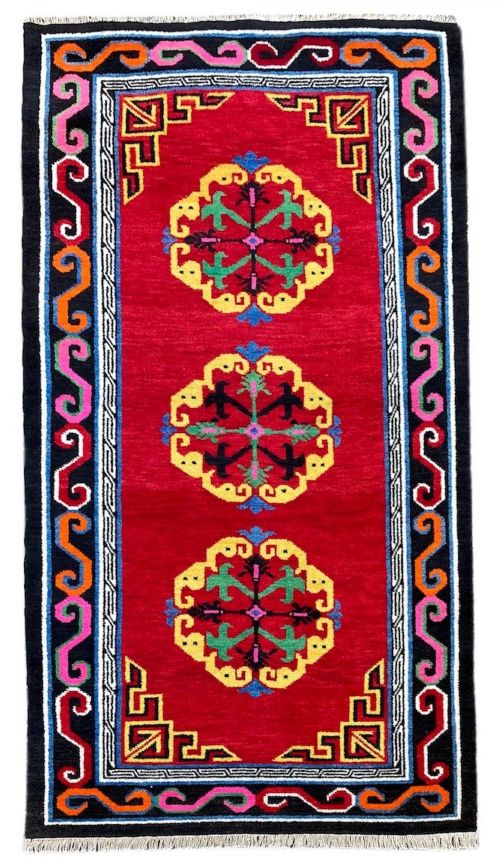
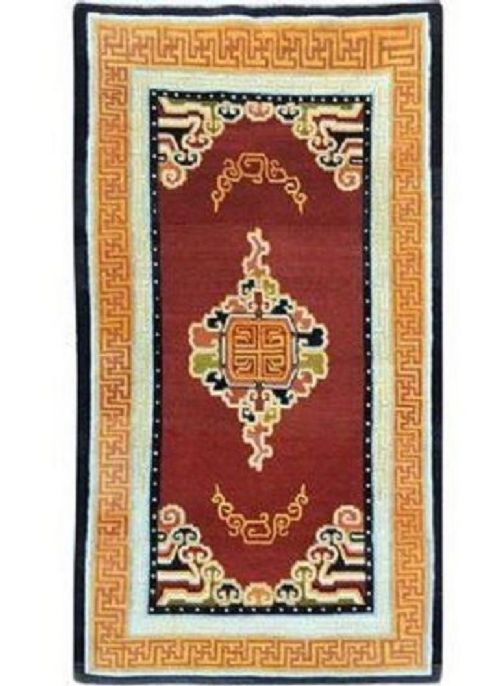
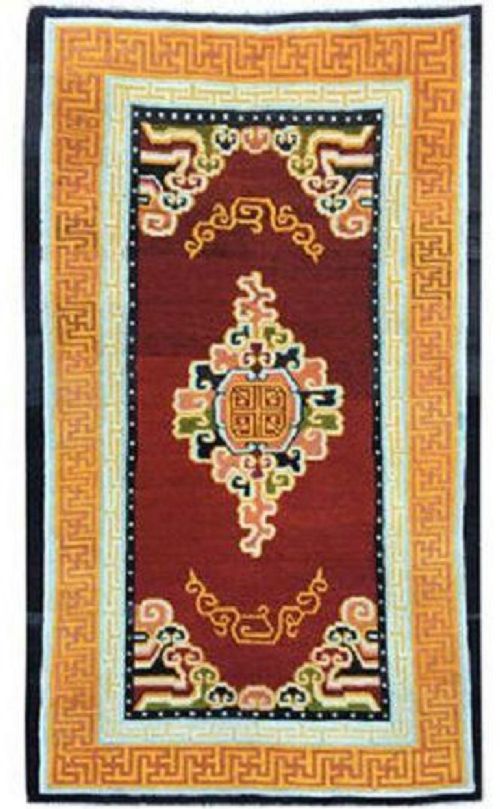
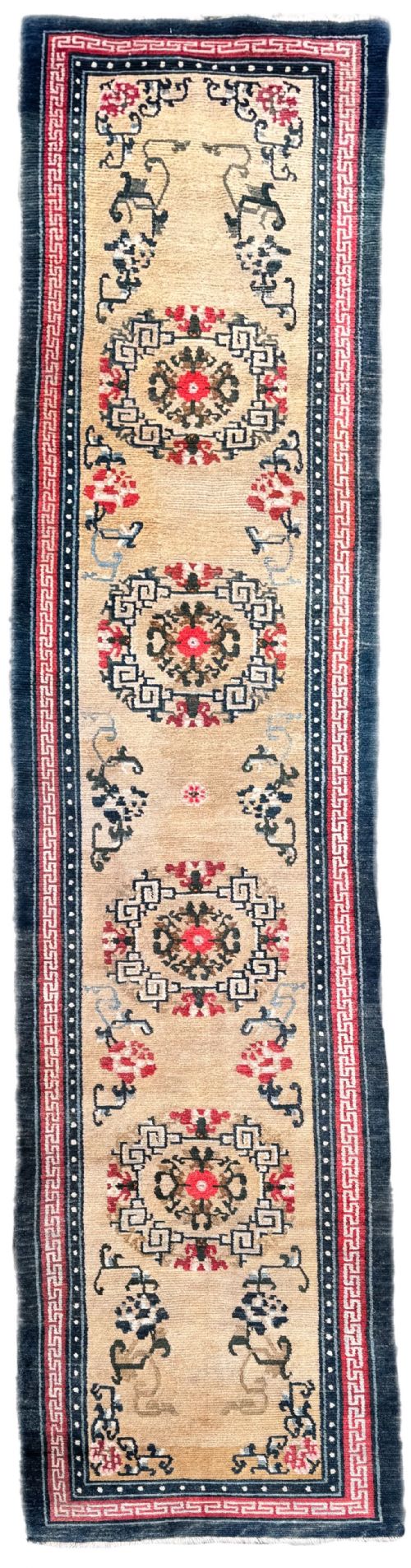
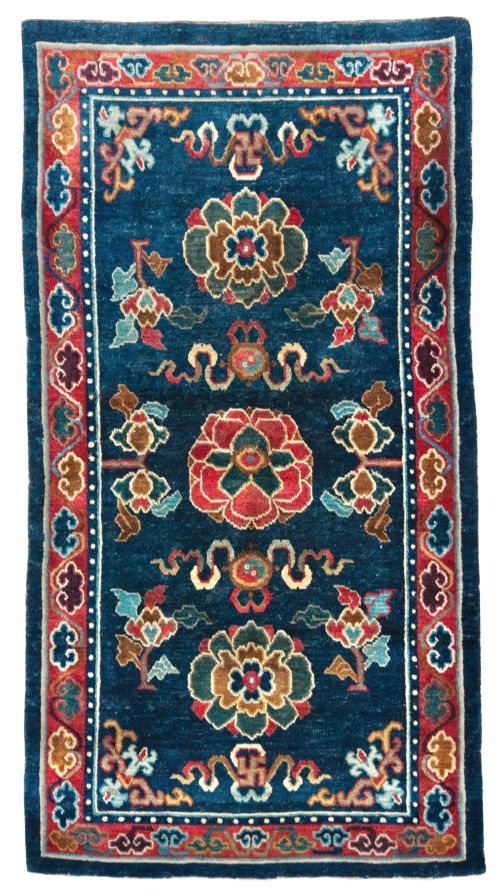
A central asian runner encompasses long, narrow floor coverings and tribal textiles woven by various nomadic and settled groups across the region. When exploring this phrase, buyers encounter elongated formats suited for hallways, alongside related tribal rugs, kilims, torbas, and tent bands originating from Turkmen, Uzbek, Afghan, and Tibetan traditions. The pieces span from the mid-nineteenth century through the early twentieth century, reflecting diverse regional aesthetics and utilitarian household functions.
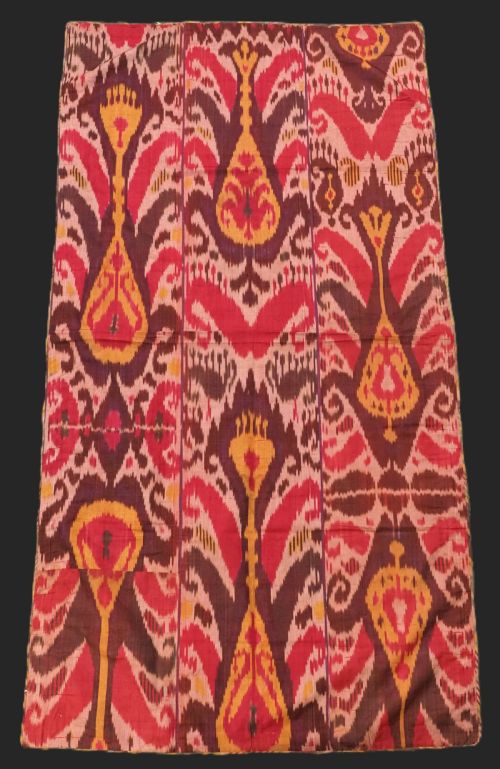
Most examples originate from specific tribal groups such as the Ersari, Tekke, Kizyl Ayak, and Karakalpak, or hail from centres like Bukhara and the Kungrad region. The format varies from traditional pile-woven runners to flatwoven kilims, embroidered suzanis, and long yurt bands constructed in multiple strips. Each piece carries the distinct geometric vocabulary, medallion motifs, or gul patterns characteristic of its maker's heritage.
How they were made
Weavers utilised local materials including wool, hand-spun wool, cotton, and occasionally silk or art silk on wool felt grounds. Natural dyes provided the foundational palette for deep reds, browns, and contrasting geometric accents across the textiles.
Construction techniques range from fine pile knotting to flatwoven kilim structures, embroidered suzani panels, and large yurt bands woven in multiple joined strips. Artisans completed these pieces on traditional horizontal or vertical looms, producing durable domestic furnishings designed for daily nomadic life.
The listings on this page span several decades from the mid-nineteenth century to the early twentieth century, incorporating wool, cotton, and natural dyes.
What varies in quality
The fineness of the weave and the complexity of the knotting or embroidery dictate the refinement of a piece. Tightly constructed foundations and precise execution of repeating motifs such as turreted guls distinguish finer examples from simpler utilitarian objects.
The depth and preservation of the natural dyes, alongside the integrity of the original wool or silk fibres, influence the overall character of the textile. Pieces retaining clear structural composition and balanced proportions across multiple joined strips demonstrate superior craftsmanship.
The Central Asian Runner Glossary
- Gul
- A repeating medallion or octagonal design element frequently found in Turkmen and Central Asian tribal weaving. These motifs often identify the specific tribe or clan that produced the textile.
- Torba
- A small utilitarian bag face or hanging storage sack traditionally woven by Turkmen tribes. They often feature intricate geometric patterns and served both decorative and practical purposes within the yurt.
- Kilim
- A flatwoven textile produced by tightly interweaving warp and weft strands without creating a pile. This technique results in a lightweight, reversible fabric with bold graphic designs.
- Suzani
- An embroidered Central Asian textile panel traditionally worked in silk or cotton on a fabric ground. These pieces often feature vibrant floral or geometric compositions created by nomadic or urban artisans.
Central Asian Runner: Frequently Asked Questions
How were central asian runners used?
Nomadic and settled communities utilised these elongated textiles as floor coverings in long tents, domestic hallways, or sacred spaces like mosques. They provided insulation against cold earth floors while adding decorative tribal identity to living areas.
Smaller textile panels and torbas served as storage sacks or wall hangings within the traditional yurt, combining practical storage with symbolic clan designs.
How do I care for an antique runner?
Protect the textile by placing a breathable rug underlay beneath it to prevent slipping and reduce friction against hard floors. Vacuum gently using low suction without a rotating brush bar to remove dust from the wool fibres.
Keep the piece away from direct, prolonged sunlight to prevent natural dye fading. Consult a specialist textile conservator for professional cleaning rather than attempting wet washing at home.
What is a yurt band?
A yurt band is a long, narrow structural textile woven to secure the heavy felt roof and wall sections of a nomadic tent against harsh winds. These pieces required exceptional structural strength and were often woven in multiple joined strips.
They display dense geometric patterns and tribal motifs that held cultural significance for the makers. Today, collectors appreciate these long bands as decorative wall hangings or runners.
How do I identify a Turkmen rug?
Turkmen rugs are typically characterised by a deep red or madder-based colour palette combined with repeating octagonal gul motifs. Different tribes, such as the Tekke or Ersari, utilised distinct variations of these primary medallions and border designs.
The use of fine wool, precise knotting, and characteristic geometric field arrangements further helps distinguish these regional tribal pieces from Persian or Caucasian counterparts.