






Caucasian Woven Textile
A caucasian woven textile brings rich geometric design and tactile depth into a room, offering authentic tribal artistry from the nineteenth and early twentieth centuries.
Caucasian Woven Textile
When you search for a caucasian woven textile, you encounter portable nomadic items created by tribes across the Caucasus and neighbouring regions.
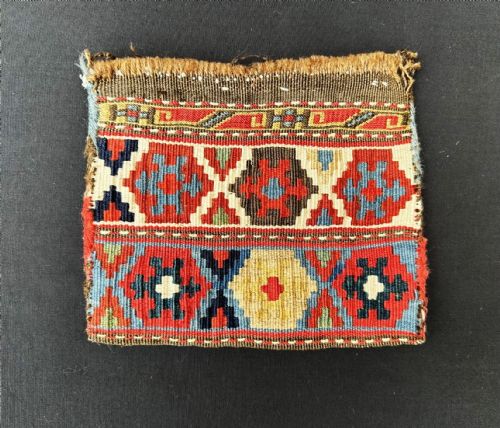
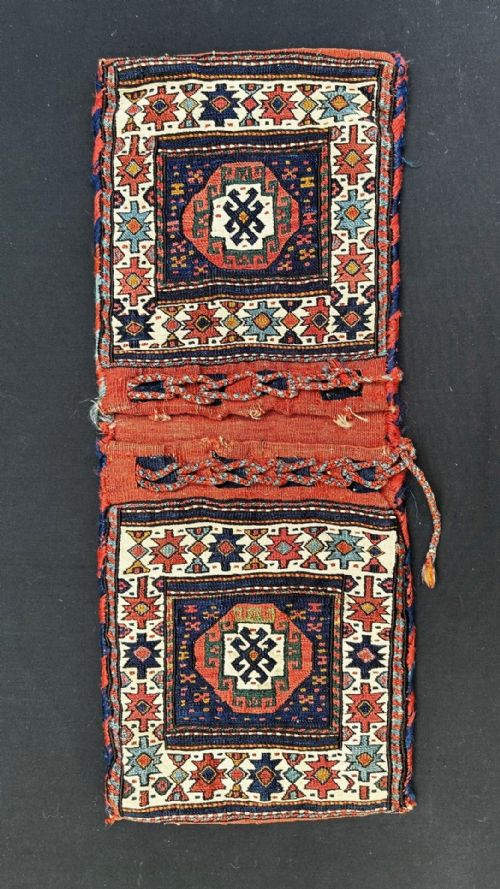
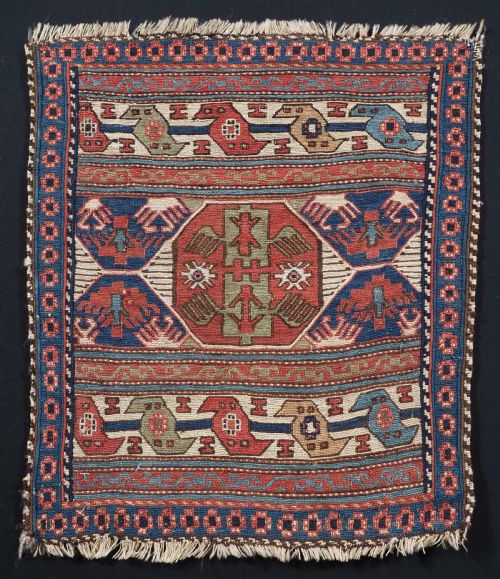
The selections on this page concentrate heavily on utilitarian forms such as saddle bags, bag faces, vanity bags, runner rugs, and mafrash panels.
These items originate predominantly from nineteenth-century production periods, spanning from the mid-nineteenth century up to the early twentieth century.
Nomadic groups such as the Shahsavan, Kurdish tribes, and Yomud Turkmen produced these vibrant textiles for practical daily use in encampments.
How they were made
Weavers constructed these pieces primarily using hand-spun wool and natural vegetable or natural dyes, often incorporating cotton and occasional silk details.
The technical execution relies heavily on flat-weave soumak methods, kilim weaves, and piled rug structures.
Nomads utilised sturdy wooden looms to produce durable textiles that could withstand the rigours of transport and daily nomadic life.
Caucasian Woven Textile Retail Price Guide 2026
Typical asking prices for caucasian woven textile among the pieces listed under this phrase on Sellingantiques today, from the lower quarter to the upper quarter. They describe what is for sale here now, not the wider market.
The listings show nineteenth-century production dates ranging from the 1850s through to the 1910s.
What varies in quality
The fineness of the hand-spun wool and the complexity of the flat-weave technique distinguish finer examples from standard pieces.
Dye saturation and the preservation of natural colour palettes play a significant role in determining the visual impact and integrity of the textile.
Completeness of original structures, such as intact bag backs or matching pairs of saddle bags, elevates the historical interest of the work.
The Caucasian Woven Textile Glossary
- Soumac
- A flat-weave technique where coloured weft threads wrap over and under warp threads to create a textured, durable surface. This method produces raised geometric patterns often seen on bag faces.
- Mafrash
- A rectangular storage chest panel woven flat or in soumak technique to form the sides of bedding bags. These panels frequently enter the market as individual decorative items or assembled kilims.
- Khorjin
- A traditional pair of saddle bags designed to be loaded over horses or camels for transport. They typically feature two compartments joined by a central web.
- Jajim
- A strong, flat-woven textile produced in strips and stitched together to form blankets, covers, or decorative hangings. They often display bold striped or geometric arrangements.
- Bag face
- The decorative front panel of a utilitarian nomadic bag preserved after the plain back wore away. These remnants showcase the most intricate tribal weaving.
Caucasian Woven Textile: Frequently Asked Questions
What is a caucasian woven textile used for?
These textiles served practical functions in nomadic households, acting as storage containers, horse equipment, saddle bags, and bedding storage panels.
Today, collectors hang them as wall art, place them on furniture as cushions, or use smaller runner formats as decorative floor coverings.
How do I identify a Shahsavan piece?
Shahsavan pieces frequently utilise intricate soumak flat-weave techniques and often depict characteristic motifs such as stylised birds, dragons, or geometric panel designs.
They originate mainly from the Moghan region in Azerbaijan and date predominantly from the nineteenth century.
Are these textiles made with natural dyes?
The listings from this period typically employ natural vegetable dyes derived from local plants and minerals, resulting in rich, nuanced colour palettes.
Over decades, these dyes age gracefully, developing subtle variations in tone that synthetic dyes cannot replicate.
How should I care for an antique textile?
Keep antique textiles out of direct, harsh sunlight to protect the natural wool fibres and vegetable dyes from fading over time.
Gentle vacuuming without a beater bar removes dust safely, and professional textile conservationists should handle any deeper cleaning needs.