

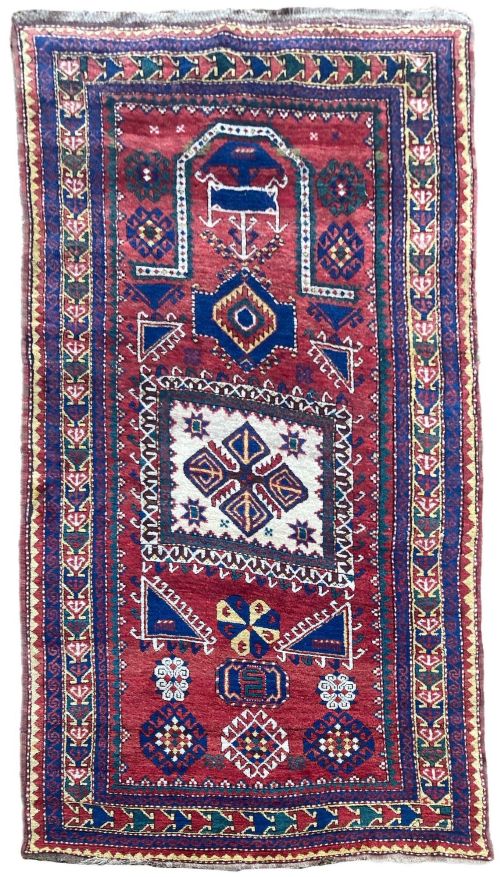
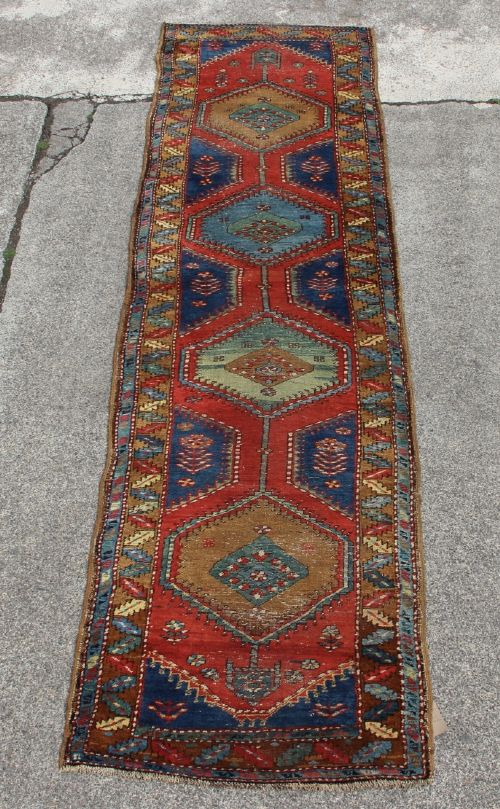
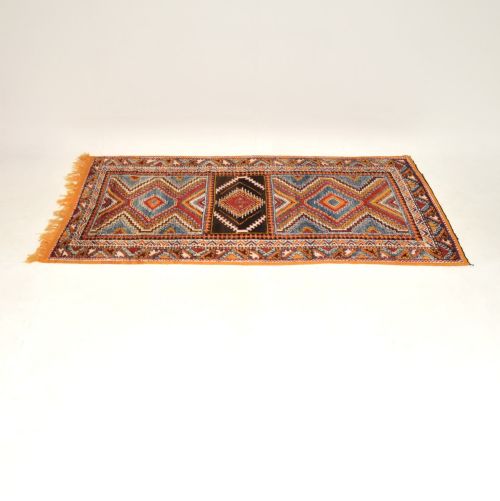
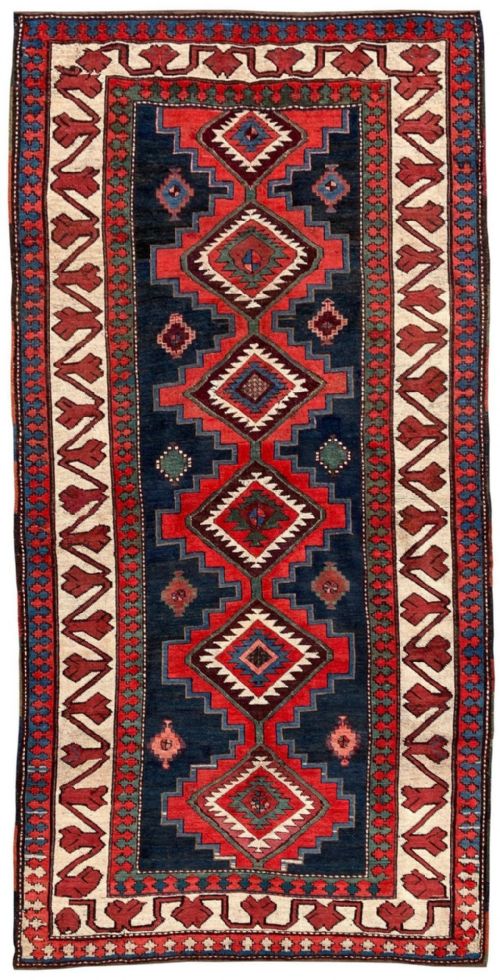
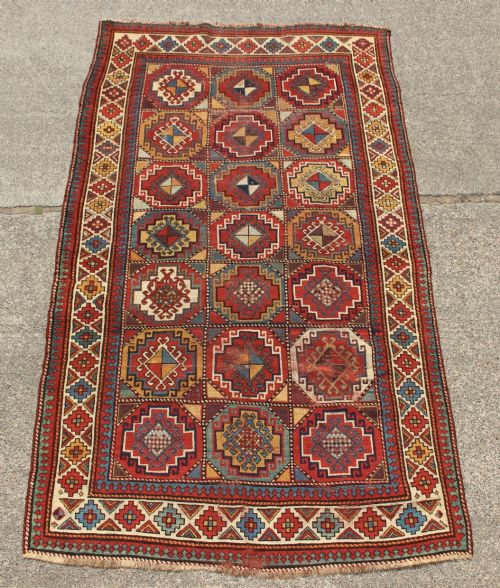
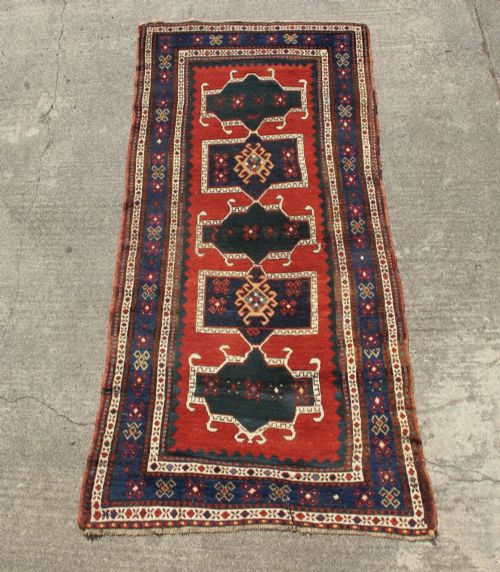
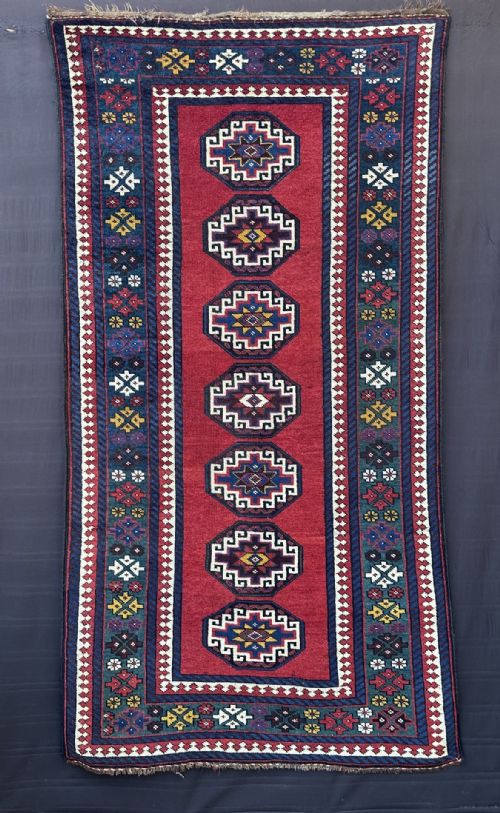
Caucasian Wool Runner Rug
A caucasian wool runner rug brings distinct geometric motifs and rich regional character to a hallway or narrow space.
Caucasian Wool Runner Rug
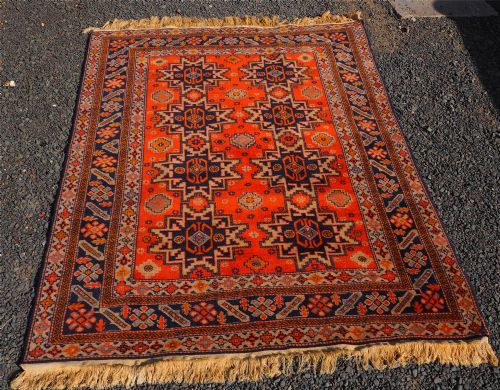
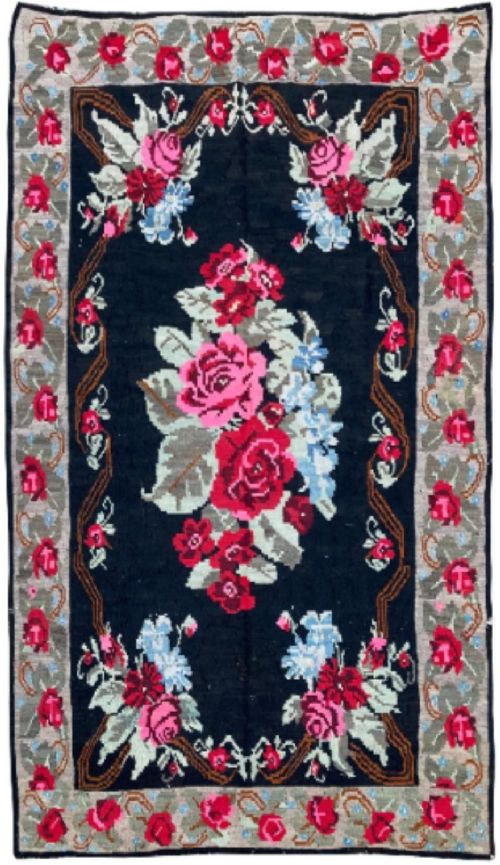
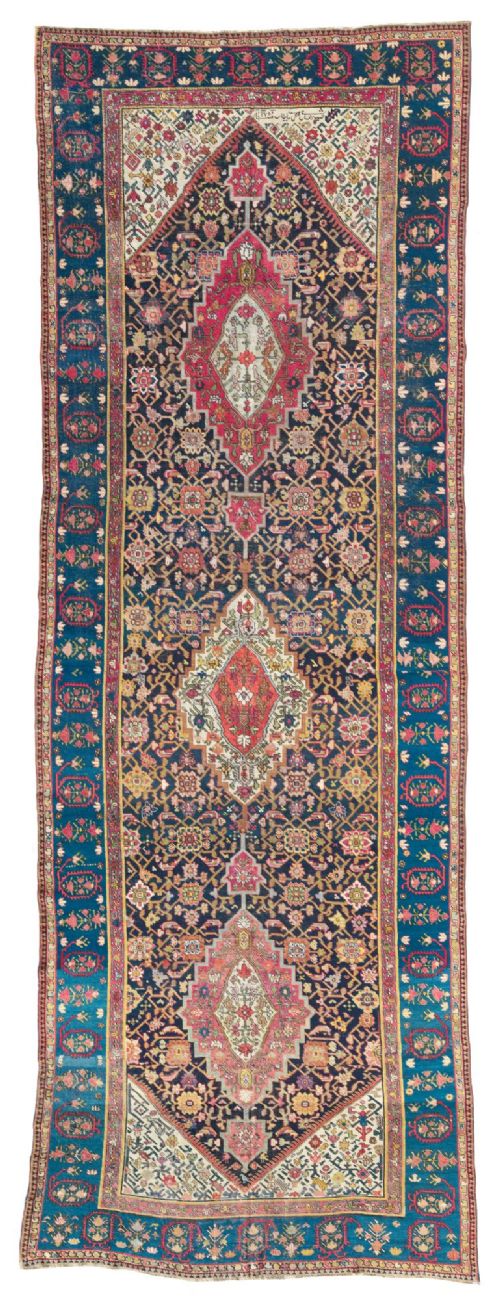
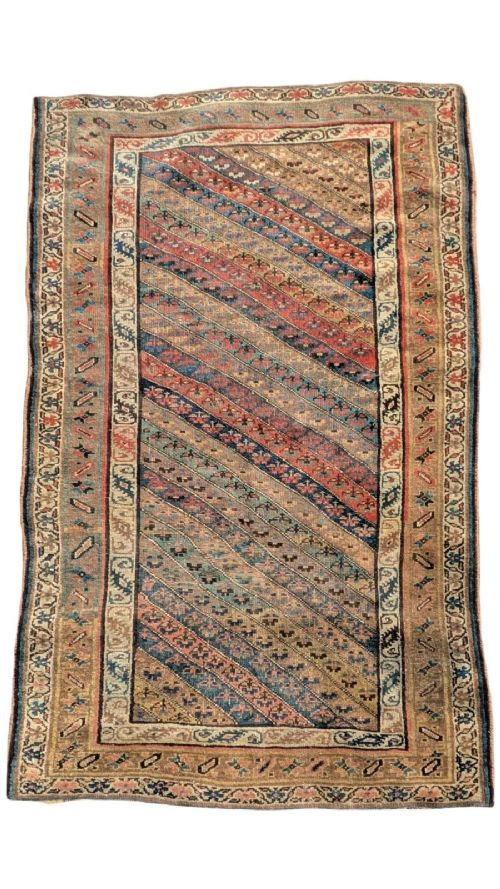
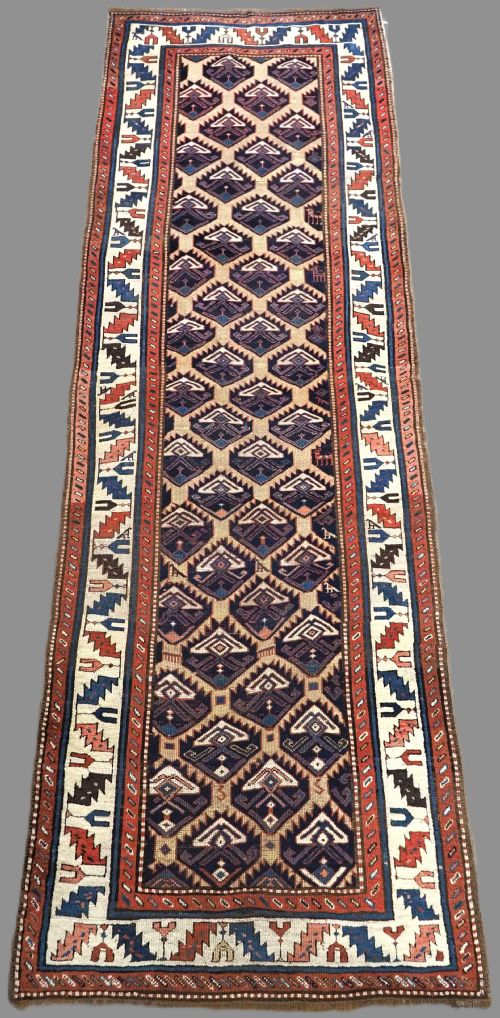
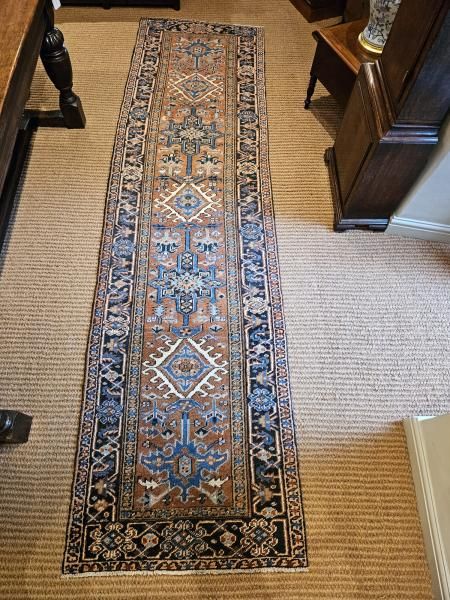
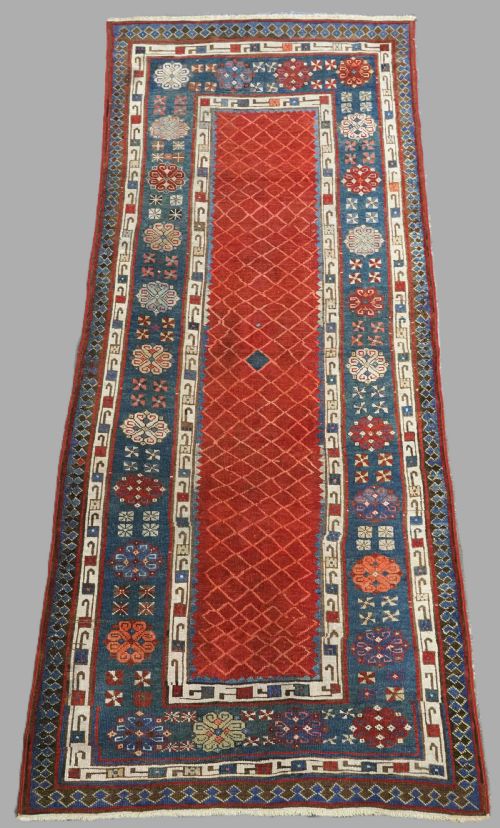
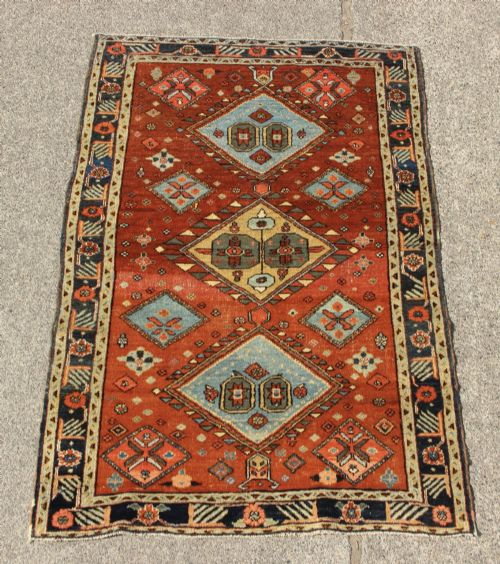
A caucasian wool runner rug represents long narrow floor coverings woven by nomadic and village weavers across the Caucasus region. These pieces typically display structured geometric medallions, lattice patterns and stylized animal motifs rather than the curving floral designs found in city workshops.
The format serves long corridors, hallways and galleries where traditional square carpets do not fit. Surviving examples date from the nineteenth and early twentieth centuries, spanning periods from the 1870s through the 1930s.
While many listings bear broad regional designations such as Kazak, Karabagh, Shirvan or Gendje, buyers also encounter related styles from Kurdish and Shahsavan groups. Each weaving tradition uses specific palettes and structural markers passed down through generations.
Materials and Construction
Makers relied on hand-spun wool for the pile, foundations and supplementary wefts, yielding resilient surfaces that absorb natural dyes unevenly to create subtle abrash. Cotton and wool served interchangeably for warp and weft threads depending on the specific tribal workshop.
Weavers utilised traditional upright vertical looms, tying symmetric or asymmetric knots by hand alongside flat-weave kilim techniques. Natural dye stuffs extracted from plants and minerals produced deep indigos, madder reds and rich yellows that mellow gracefully over decades.
Certain antique runners reveal slight crookedness from the loom, showing the individual weaver's hand rather than mechanical precision.
Judging Quality and Character
Quality rests in the crispness of the geometric drawing and the saturation of the natural dyes. Denser knotting and tighter packing of the foundation ensure the runner withstands foot traffic along a hallway.
Pointers to exceptional work include balanced proportions, intact original side cordings and minimal restoration to the wool pile. Pieces retaining deep, unblemished colour variations command greater appreciation among collectors of tribal textiles.
The Caucasian Wool Runner Rug Glossary
- Abrash
- Natural variations in wool colour caused by changes in dye batches or distinct skeins during weaving. This creates subtle bands of shading across the surface of the runner.
- Kazak
- A term applied to rugs woven by various tribal groups in the western Caucasus. These pieces are known for bold geometric medallions and primary colour palettes.
- Kilim
- A flat-woven carpet or runner produced without a pile. These lightweight textiles use interlocking weft techniques to form sharp geometric patterns.
- Kelleh
- A large format rectangular carpet or long rug proportioned longer than it is wide. It traditionally occupied the main floor space of a reception room.
- Warp
- The stationary vertical threads stretched onto the loom before knotting begins. The exposed fringe at either end of a runner consists of these parallel foundation cords.
Caucasian Wool Runner Rug: Frequently Asked Questions
How do I clean a vintage wool runner?
Regular gentle vacuuming without a rotating brush bar removes surface dust trapped within the wool pile. Professional textile conservation cleaning is recommended for deeper maintenance to protect natural dyes.
Water and harsh chemical detergents damage vintage fibres and cause colours to bleed. Specialist care ensures the structural integrity of hand-spun wool and cotton foundations remains intact.
Where should I place a runner in my home?
Narrow hallways, entrance corridors and galley kitchens provide ideal settings for linear floor coverings. Their elongated proportions guide movement while adding texture to transitional spaces.
Placing a quality rug pad underneath prevents slipping and cushions the wool pile against hard timber or stone floors. This simple step reduces daily friction and extends the longevity of the textile.
What is the difference between Kazak and Shirvan rugs?
Kazak weavings from the western Caucasus typically feature bold, large-scale geometric medallions executed in saturated primary colours. They have a heavier pile and a rustic structural feel.
Shirvan pieces originating further east display finer, more intricate lattice designs and balanced repeating motifs. Their palettes often incorporate crisp ivory grounds alongside deeper indigo and madder tones.
Are these runners suitable for heavy foot traffic?
Hand-knotted wool possesses natural lanolin that resists dirt and provides considerable resilience against daily wear. Dense pile construction allows these textiles to endure active household use in high-traffic corridors.
Evaluating the condition of the wool foundation helps determine resilience. Sound structures with even pile wear handle corridor footsteps comfortably over many years.