


Caucasian Shirvan Rug
These woven caucasian shirvan rug examples bring geometric discipline and rich history to any interior.
Caucasian Shirvan Rug
A caucasian shirvan rug represents the distinct weaving traditions of the Eastern Caucasus, spanning the nineteenth and early twentieth centuries.
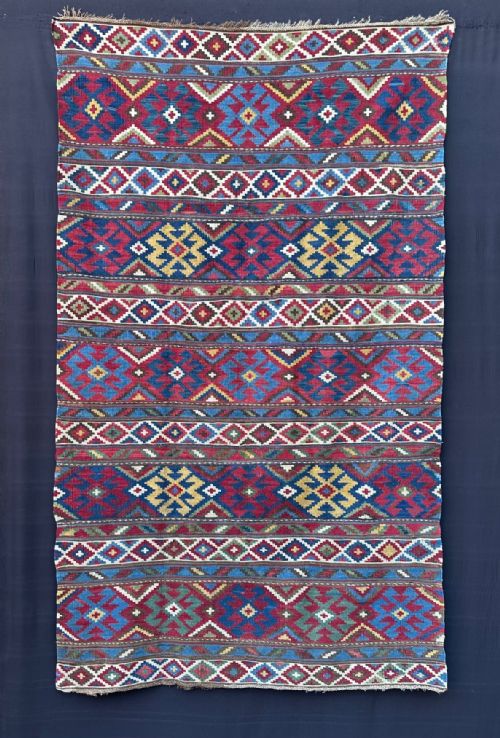
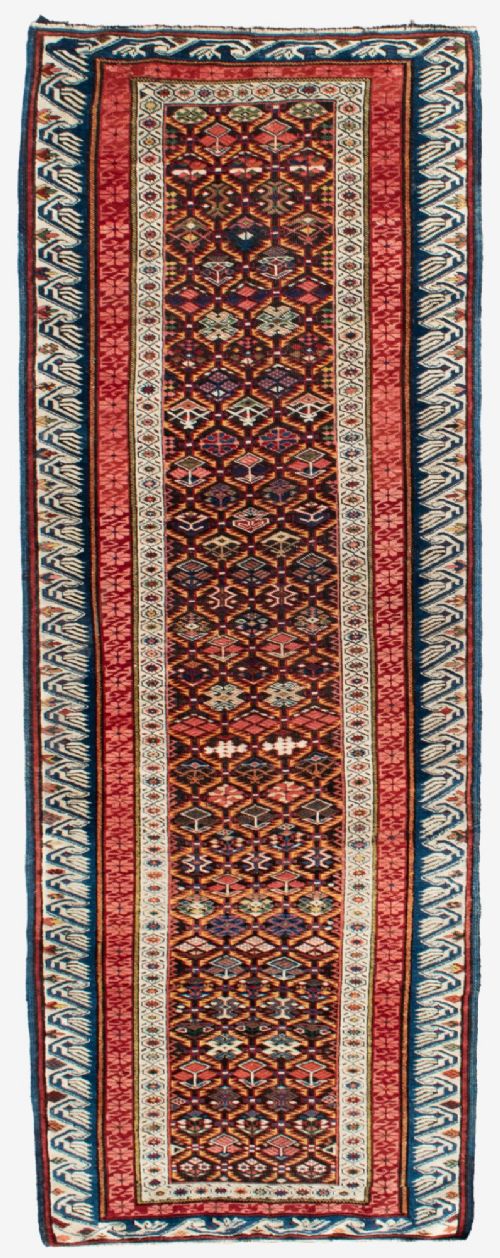
Buyers encounter various formats here, including standard area rugs, long runners, prayer rugs, and flatwoven kilims.
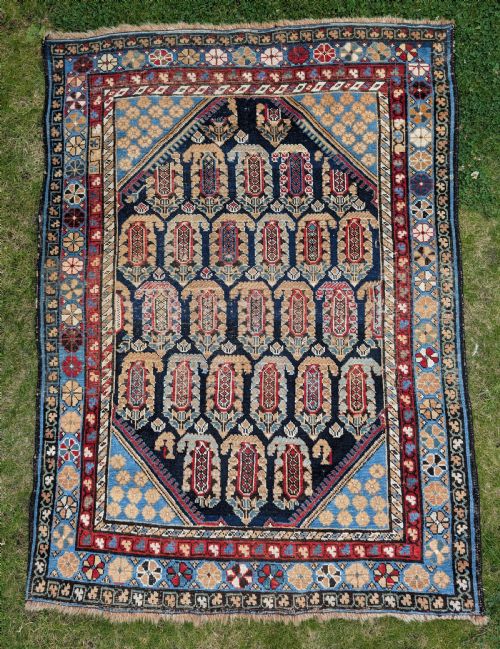
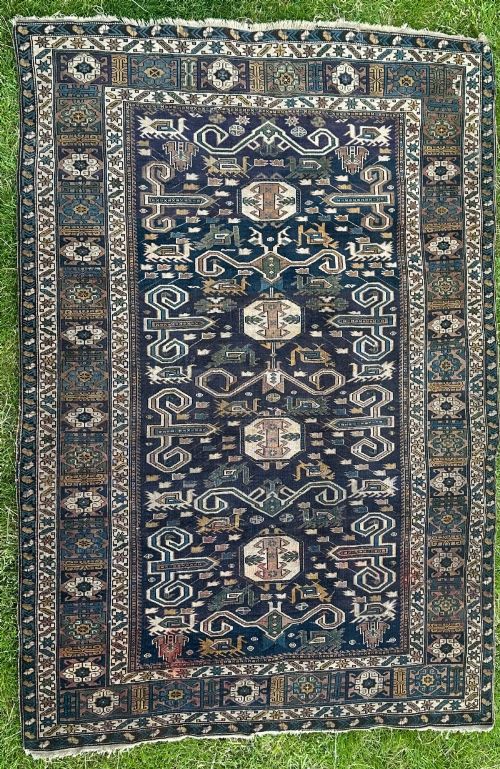
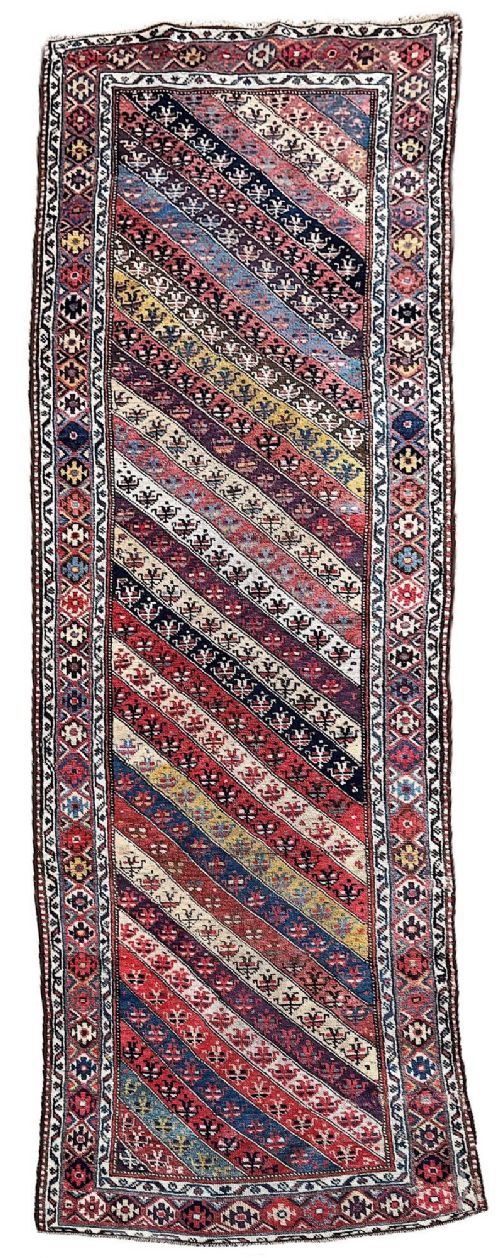
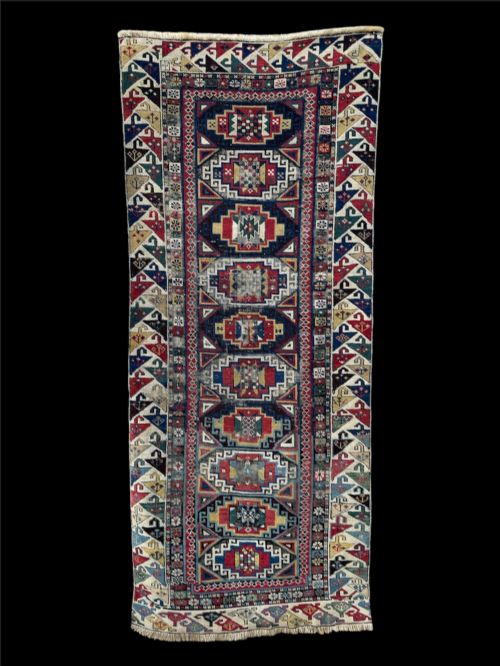
Designs feature structured geometric medallions, floral lattices, diagonal stripes, and stylised bird motifs originating from regional centres like Baku, Khila, and Marasali.
How they were made
Weavers utilised hand-spun wool for the pile, combining it with sturdy cotton foundations to create durable floor coverings.
Artisans achieved the characteristic palette using natural dyes, which produced deep blues, soft faded tones, and occasional bright yellows that mellow gracefully over time.
Caucasian Shirvan Rug Retail Price Guide 2026
Typical asking prices for caucasian shirvan rug among the pieces listed under this phrase on Sellingantiques today, from the lower quarter to the upper quarter. They describe what is for sale here now, not the wider market.
Certain Shirvan weavers managed to smuggle miniature stylised peacocks and flaming leaves into otherwise strict geometric lattice designs.
What varies in quality
The fineness of the knotting and the precision of the geometric drawing distinguish master examples from simpler village pieces.
Purity and depth of the natural dyes, alongside the preservation of the original borders and pile integrity, determine the standing of individual specimens.
The Caucasian Shirvan Rug Glossary
- Prayer rug
- A small format featuring a directional mihrab arch, traditionally utilised for daily Islamic devotion. These pieces often display specific floral lattices or symbolic niches.
- Marasali
- A specific Shirvan sub-type celebrated for the inclusion of the flaming boteh motif or intricate diagonal stripes. Collectors prize these for their fine execution.
- Kilim
- A flatwoven textile lacking pile, produced in the Shirvan region using slit-weave techniques. They typically exhibit banded geometric designs.
- Boteh
- A stylised almond or paisley motif representing a floral shoot or cypress tree. This symbol appears frequently across various Caucasian weaving traditions.
Caucasian Shirvan Rug: Frequently Asked Questions
Where were these rugs made?
These textiles originate from the Shirvan region situated in the Eastern Caucasus, encompassing various local workshops and villages.
Production centres included Baku, Khila, and Marasali, each contributing distinct regional patterns and colour palettes to the weaving tradition.
How do I care for an antique rug?
Protect the wool pile by placing the textile in low-traffic areas away from direct, harsh sunlight to preserve the natural dyes.
Vacuum gently without using a rotating brush roll, and consult a specialist textile conservator for professional cleaning when needed.
What is a prayer rug?
Prayer rugs are compact floor coverings distinguished by a pointed arch design known as a mihrab at one end.
Weavers created these formats for personal devotional use, incorporating symbolic trees, lattices, or lamps within the central field.