

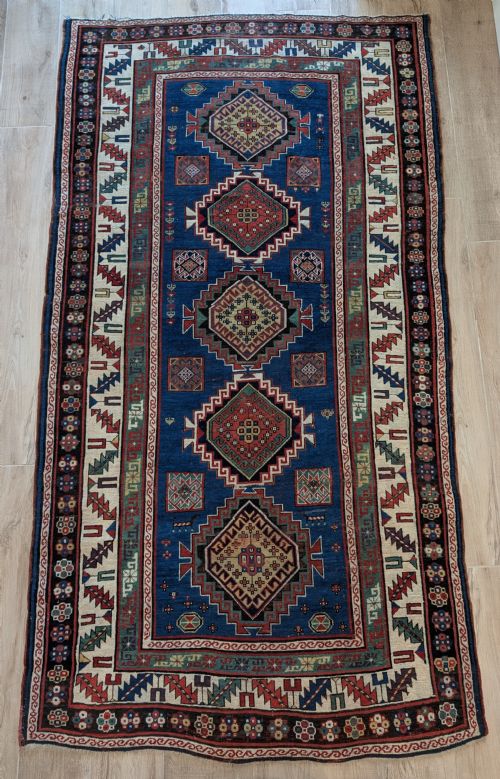
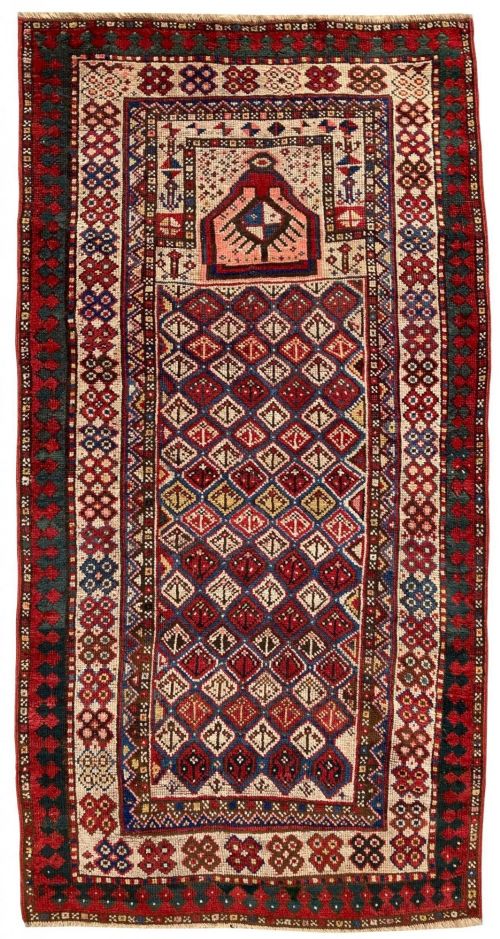
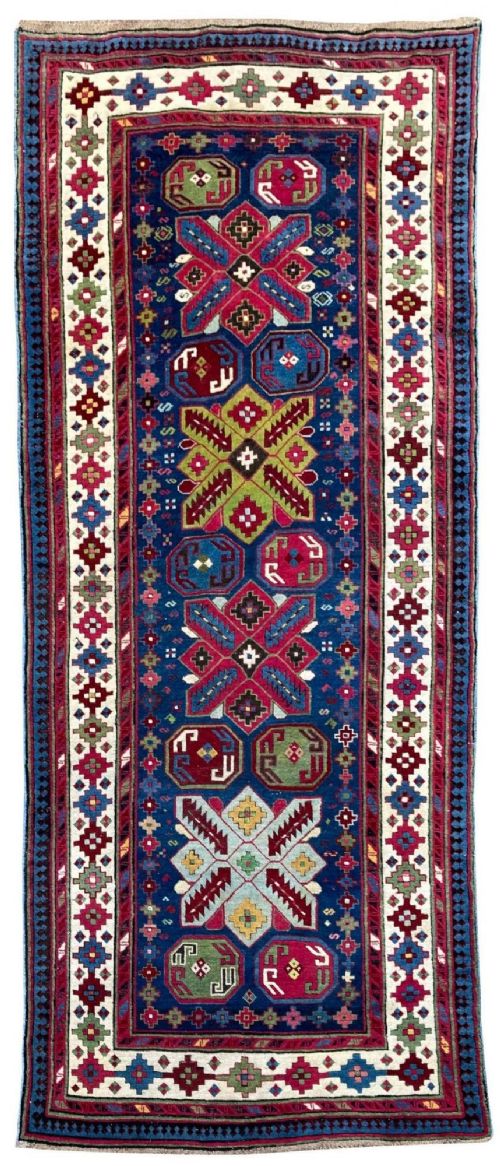
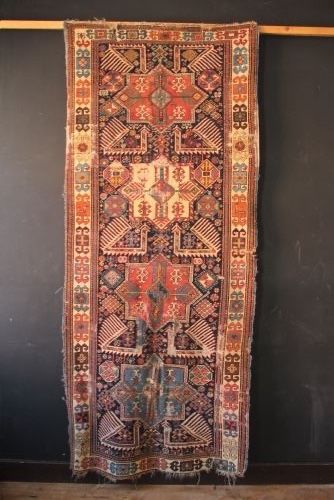
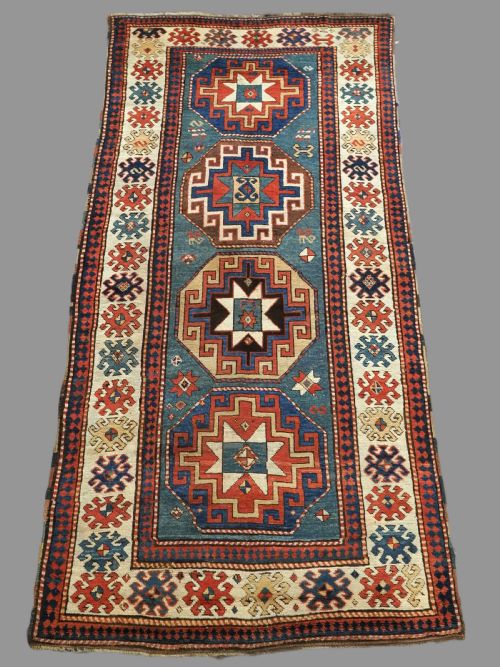
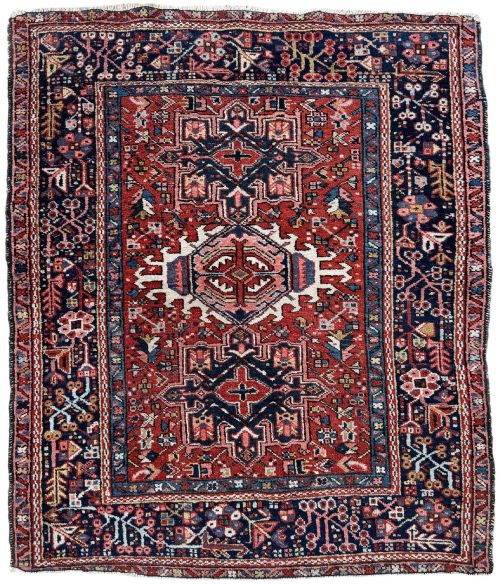
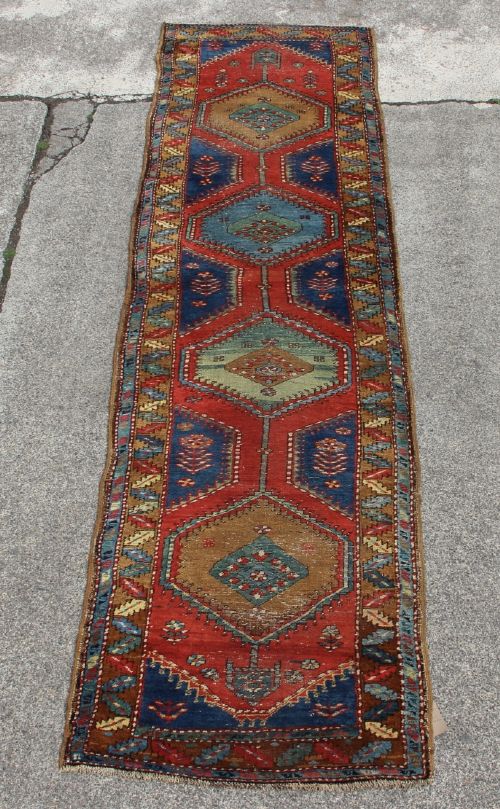
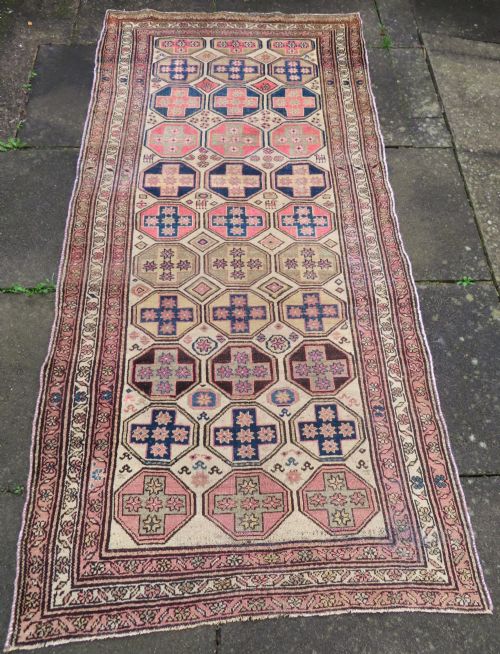
Caucasian Runner Carpet
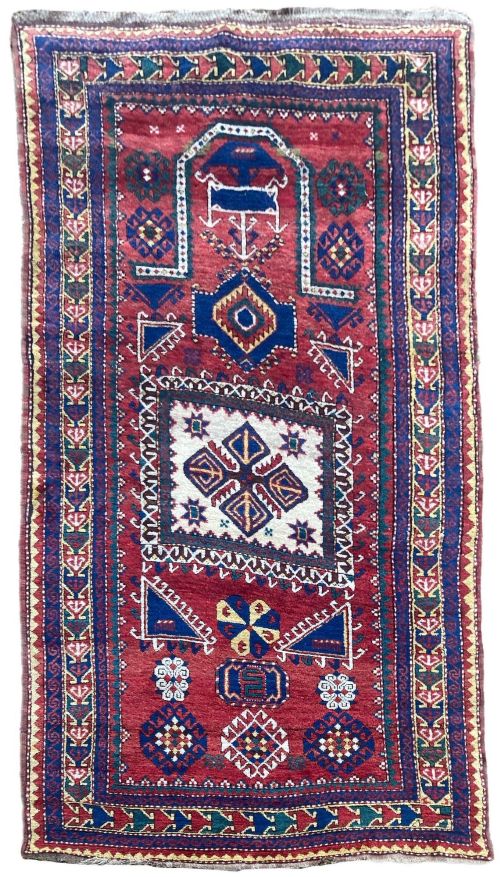
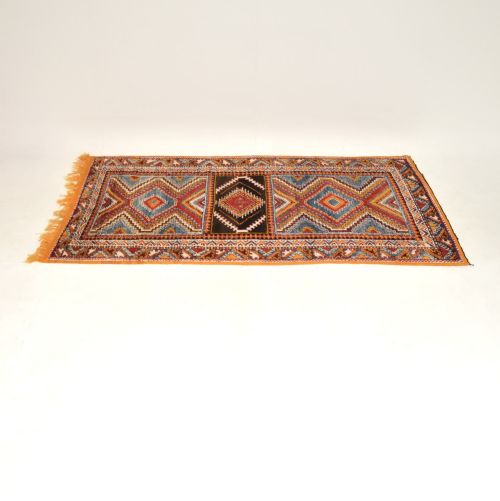
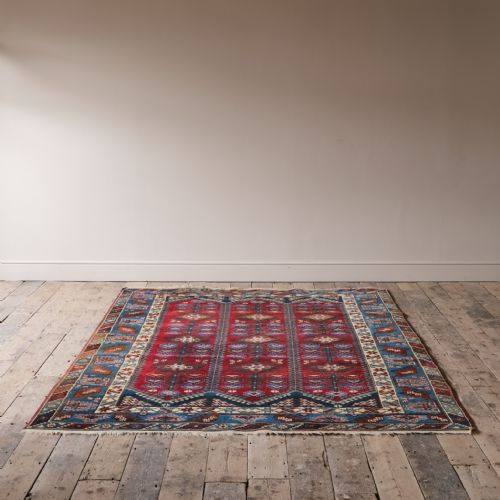
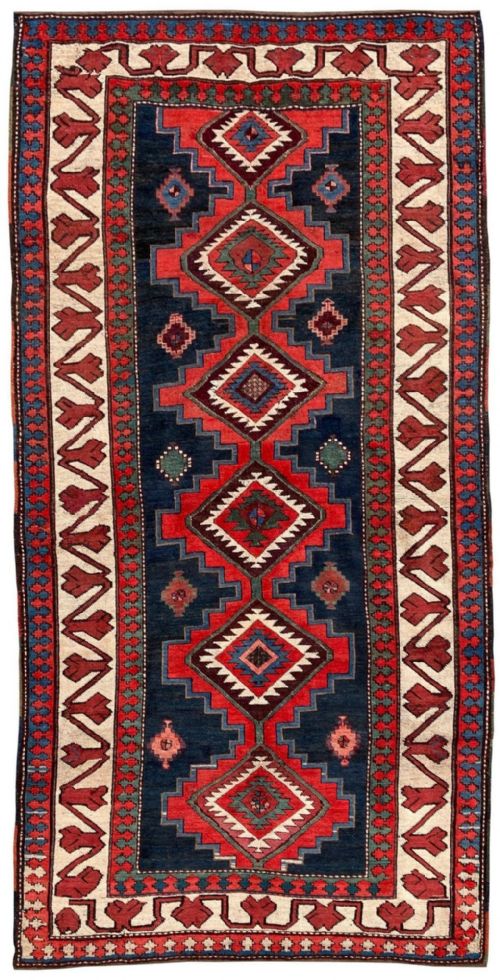
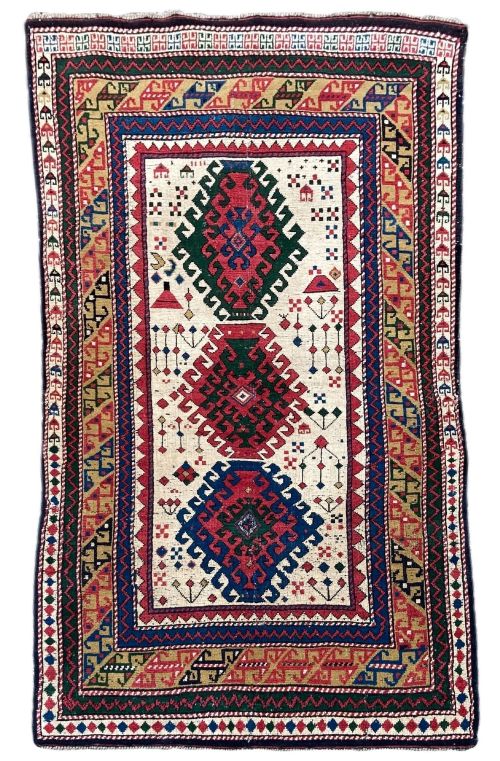
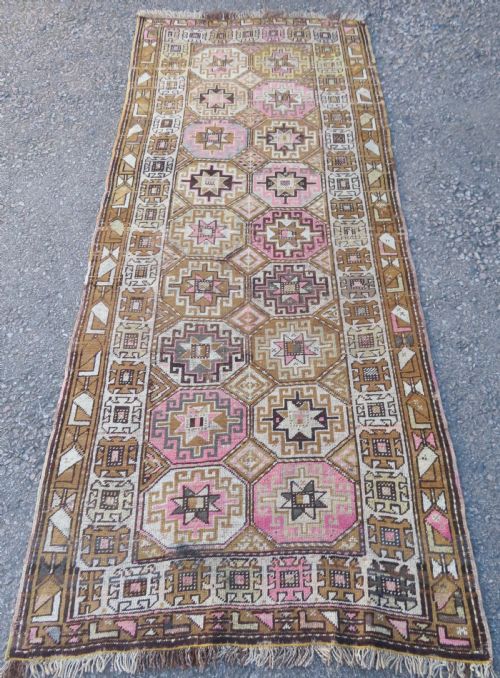
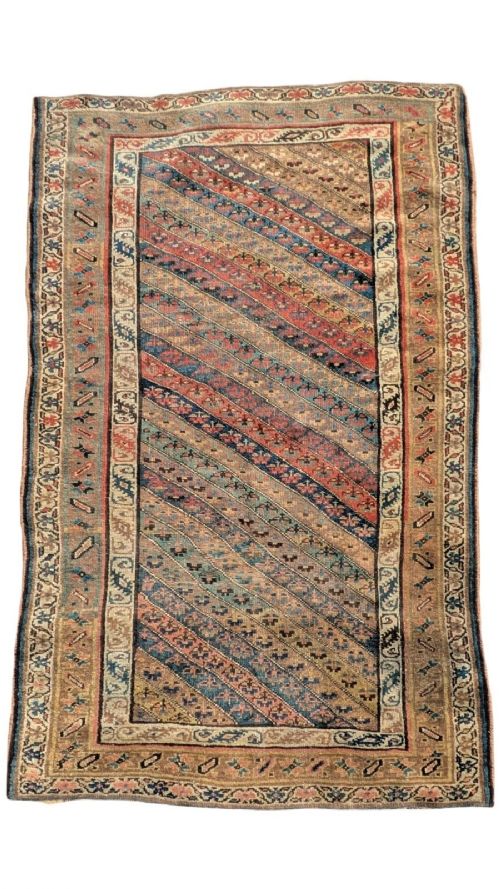
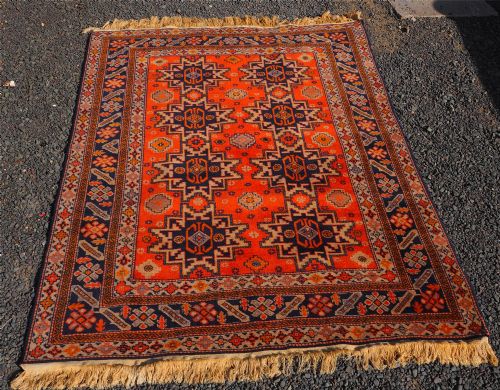
A caucasian runner carpet brings tribal geometry and saturated wool into a hallway with a presence that mass production cannot mimic.
Caucasian Runner Carpet
A caucasian runner carpet is a narrow, elongated textile originating from the Caucasus region, traditionally produced by various tribal groups for domestic use. When searching this phrase, a buyer encounters elongated formats intended for corridors, hallways, and narrow spaces, frequently woven during the nineteenth and early twentieth centuries.
The most common examples on this page span styles such as Kazak, Karabagh, Shirvan, Gendje, and Talish. These pieces utilise distinctive geometric layouts, lattice designs, and medallions rather than the flowing floral motifs seen in city workshops.
Originating from mountain and village communities, these runners demonstrate a direct connection to regional weaving traditions. They bridge the gap between utilitarian floor coverings and tribal folk art.
How they were made
Makers constructed these runners using hand-spun wool for the pile, foundation, and warps. This wool retains natural lanolin, which contributes to durability and an oily handle.
Weavers employed natural dyes derived from plants and minerals, resulting in rich hues that mellow gracefully over decades. Hand-knotting techniques secure the pile firmly to the cotton or wool foundation, creating a dense textile designed to withstand heavy foot traffic.
Caucasian Runner Carpet Retail Price Guide 2026
Typical asking prices for caucasian runner carpet among the pieces listed under this phrase on Sellingantiques today, from the lower quarter to the upper quarter. They describe what is for sale here now, not the wider market.
Several pieces carry the delightful descriptor of crooked, proving that historical village weavers occasionally enjoyed a gentle geometry.
What varies in quality
Quality in a caucasian runner carpet rests on the crispness of the drawing and the saturation of the palette. Tighter knot density and finer wool preparation separate superior tribal weaving from simpler village output.
The integrity of the original borders and the symmetry of the tribal motifs also determine the standing of a piece. Slight irregularities in geometry often indicate genuine hand-weaving, whereas proportion and dye depth govern visual success.
The Caucasian Runner Carpet Glossary
- Kazak
- A style of rug originating from the western Caucasus, known for bold geometric medallions and primary colour palettes. These pieces rely on strong contrast and large-scale motifs.
- Kilim
- A flat-woven carpet or runner produced without a pile. They are constructed by tightly interweaving warp and weft strands to create a flat surface.
- Runner
- A long, narrow carpet format designed specifically for corridors, staircases, and narrow hallways. Proportions typically exceed three times their width.
- Natural Dyes
- Colourants extracted from organic sources such as plants, insects, and roots before the invention of synthetic alternatives. They produce complex tones that age with subtle variation.
- Kelleh
- A large format rug or runner, typically longer and wider than a standard corridor runner. These grander pieces served formal rooms in traditional settings.
Caucasian Runner Carpet: Frequently Asked Questions
How do I care for a wool runner?
Vacuum gently without a rotating brush roll to protect the hand-spun wool pile from pulling or fraying. Professional cleaning is recommended when dirt settles deep into the foundation.
Place a breathable underlay beneath the runner to prevent slipping and to reduce friction against hard flooring. Keep the textile away from direct, prolonged sunlight to preserve the natural dyes.
Where should I place a long runner?
Hallways, narrow corridors, and entryways provide the traditional placement for these elongated carpets. They add warmth and definition to otherwise sparse transitional spaces.
Ensure you measure the walkway carefully, leaving exposed timber or stone borders visible on all sides. This frames the textile and protects high-traffic edges from undue wear.
How do I identify a tribal rug?
Tribal carpets display geometric medallions, stylized animal motifs, and repeating latch-hook patterns rather than curved floral court designs. The drawing is often spontaneous and expressive.
Look closely at the selvages and ends for hand-finishing details that indicate village or nomadic production. Variations in wool texture and abrash reveal the hand of individual makers.
What is abrash in antique carpets?
Abrash refers to subtle tonal variations within a single field of colour, caused by changes in dye batches or wool lots. This characteristic is prized for adding depth to the surface.
Rather than a fault, abrash confirms the use of natural dyes and traditional hand-dyeing methods. It creates a shimmering quality as light shifts across the woven pile.