





Caucasian Hallway Runner
A caucasian hallway runner brings geometric wool craftsmanship from the nineteenth century directly into modern corridors.
Caucasian Hallway Runner
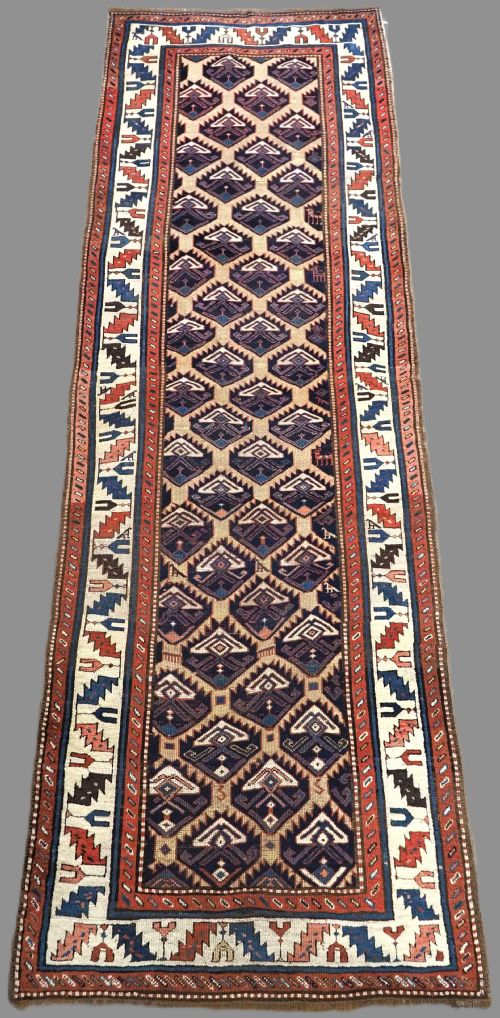
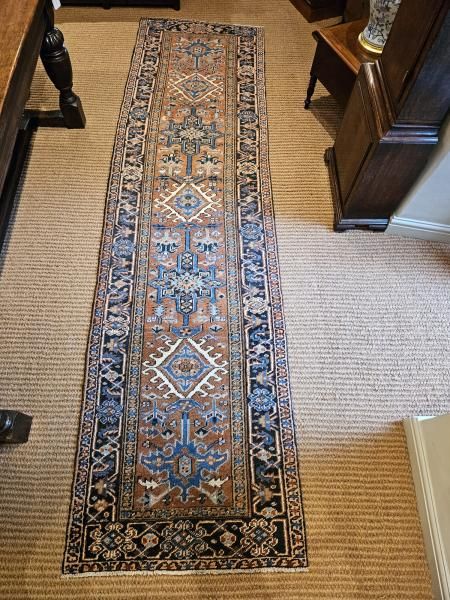
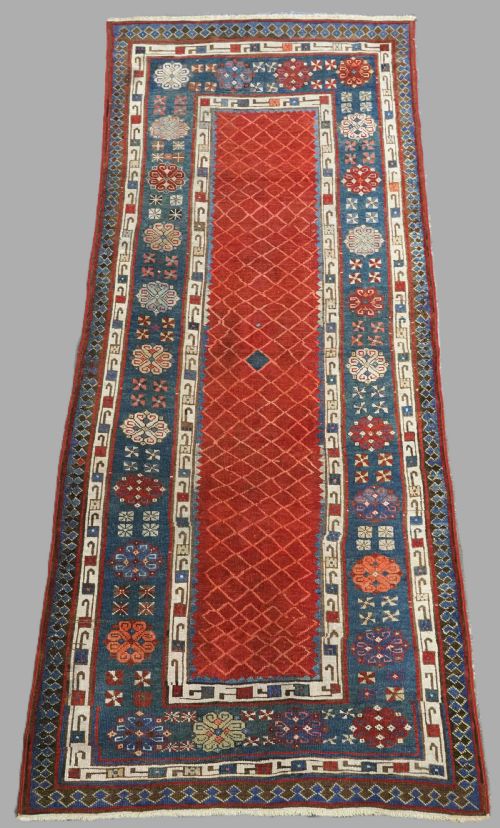
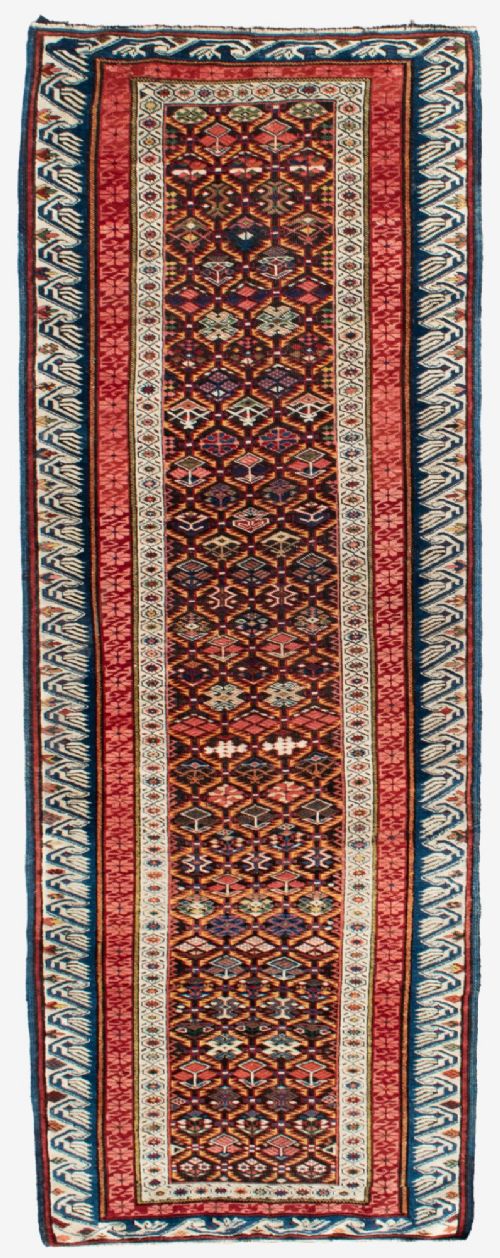
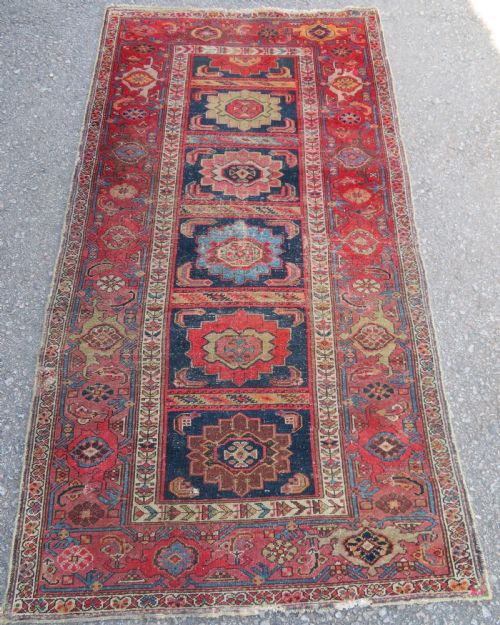
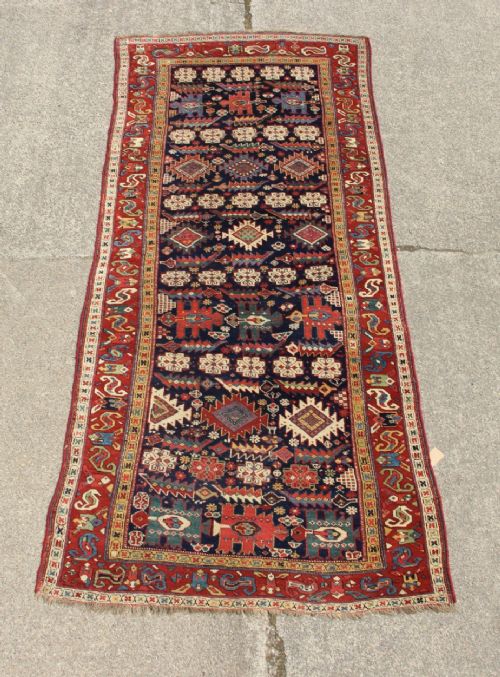
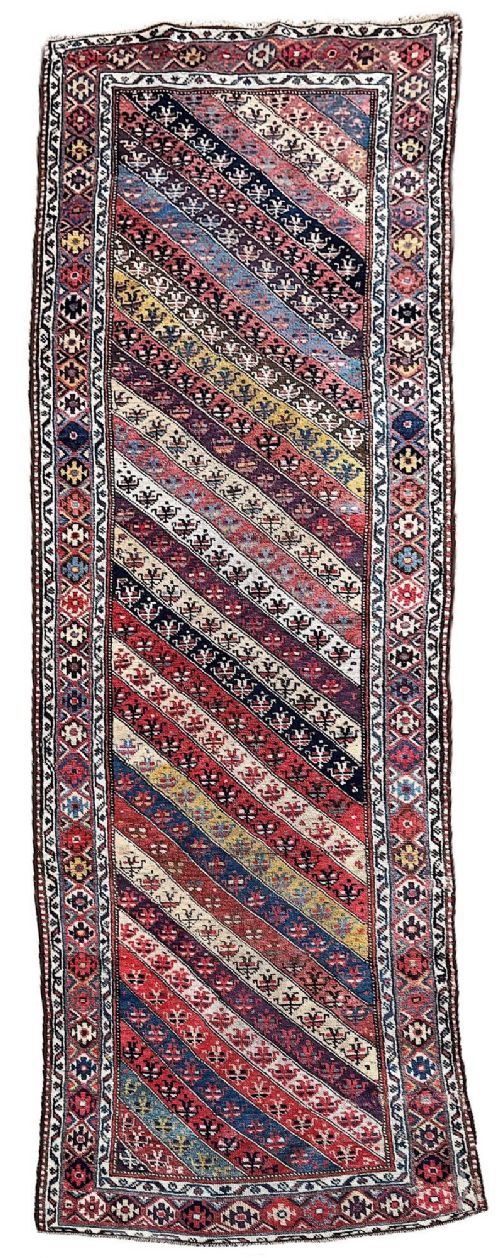
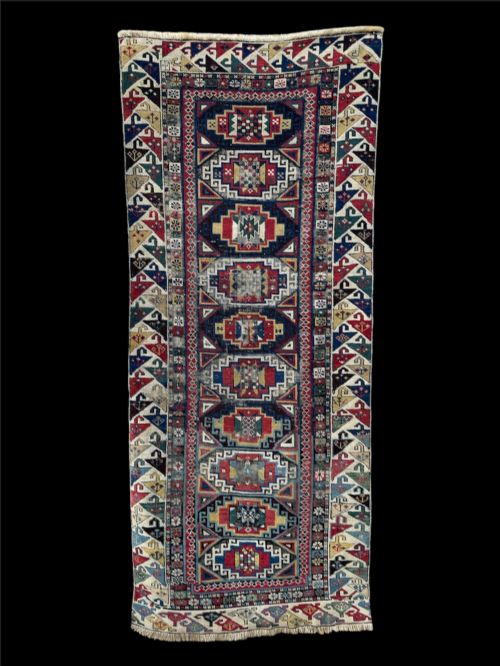
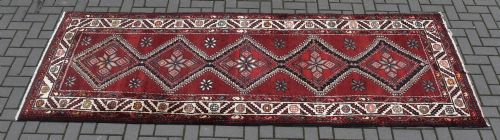
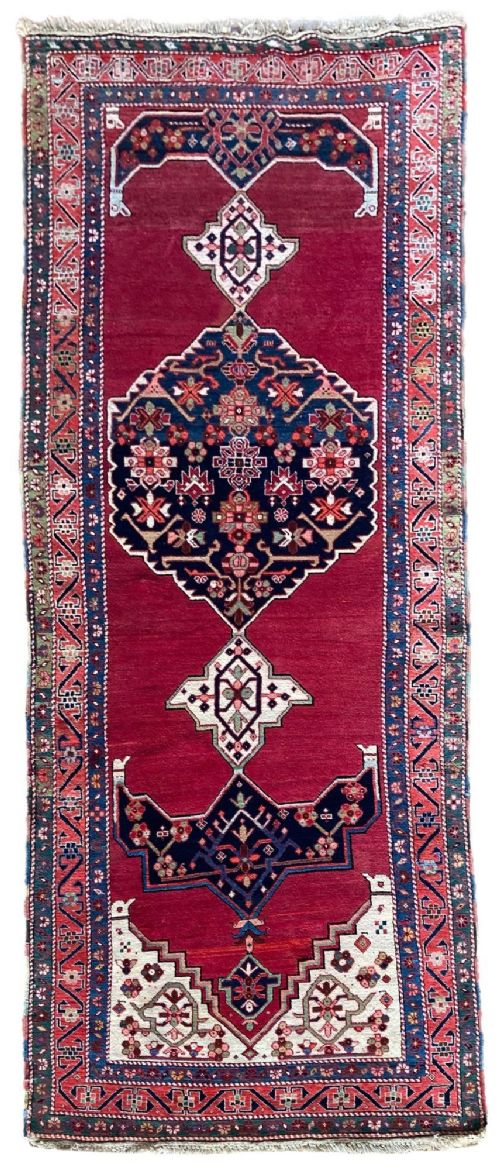
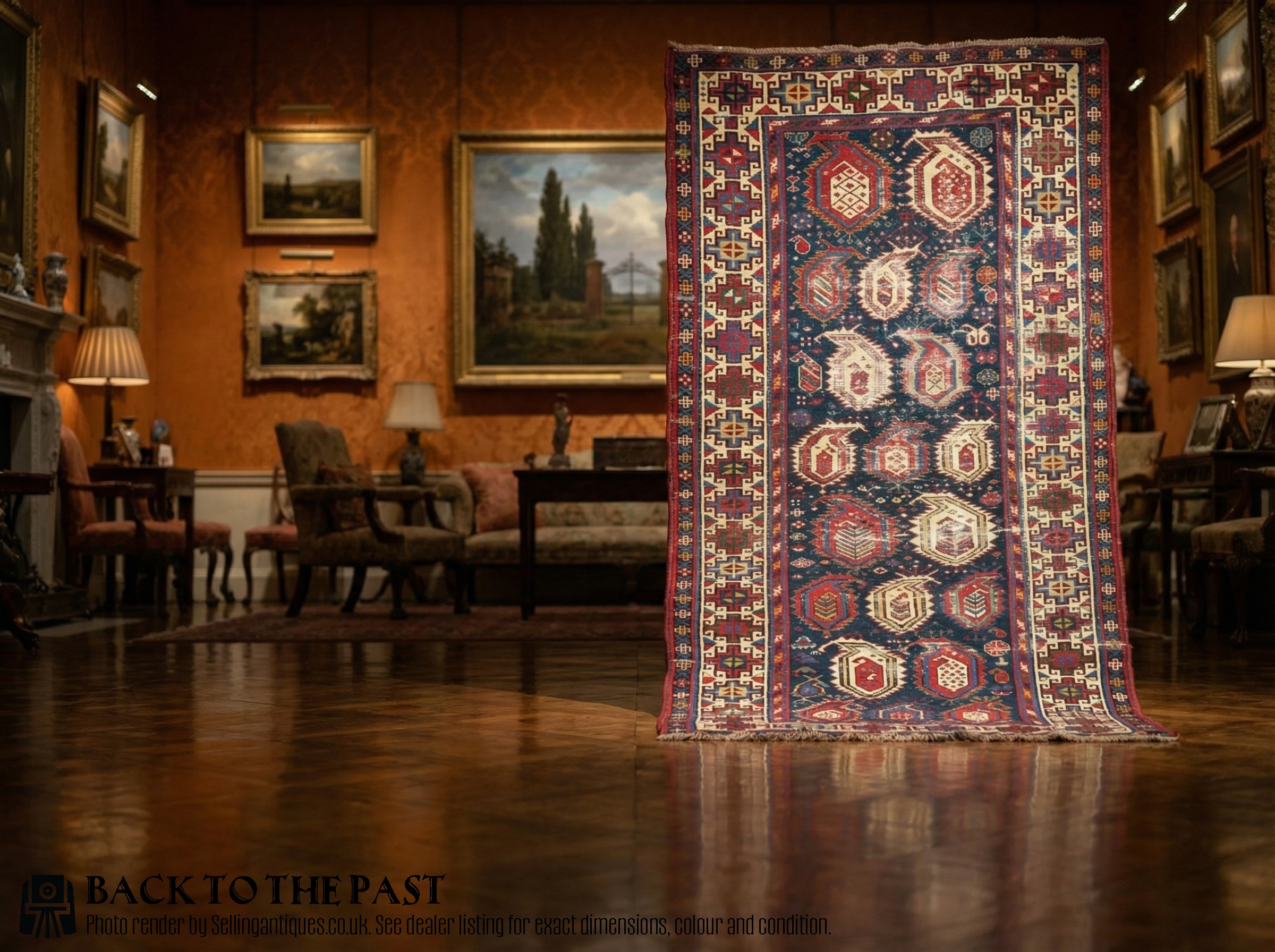
A caucasian hallway runner is a long floor covering designed for corridors, featuring tribal patterns from the nineteenth century. These textiles include specific regional types such as Talish, Karabagh, Kazak, Moghan, and Akstafa designs.
Buyers examining this selection encounter various long formats suited for narrow spaces. The pieces span periods from 1870 to 1900, representing traditional weaving styles originating from the Caucasus region.
Materials and Construction
These textiles are constructed entirely from wool, utilising traditional hand-weaving techniques appropriate for heavy floor use. The material provides the durability necessary for functional hallway placement while maintaining a distinct fibrous texture.
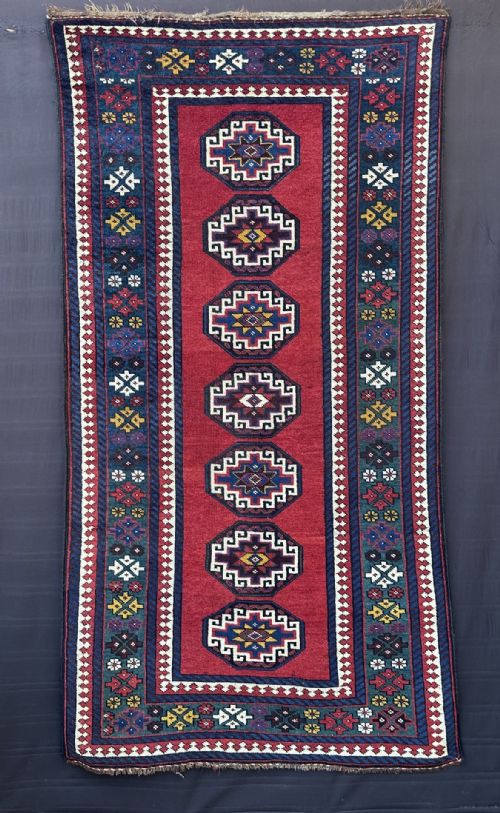
The construction incorporates traditional regional designs such as lattice patterns, Memling guls, and Moghan motifs. Each piece relies on the inherent structural qualities of wool to preserve these geometric forms across generations.
Caucasian Hallway Runner Retail Price Guide 2026
Typical asking prices for caucasian hallway runner among the pieces listed under this phrase on Sellingantiques today, from the lower quarter to the upper quarter. They describe what is for sale here now, not the wider market.
Listings feature wool runners from 1870, 1880, 1900, and the wider nineteenth century.
Assessing Quality and Merit
Quality in these textiles depends on the clarity of the geometric design and the condition of the wool pile. Examples featuring well-preserved pigments and crisp tribal motifs represent the upper tier of the range.
The integrity of the edges and the uniformity of the weave distinguish finer pieces from heavily worn alternatives. Colour richness also dictates value, with vibrant natural dyes elevating certain runners above standard examples.
The Caucasian Hallway Runner Glossary
- Talish
- A specific regional type of long rug known for its narrow proportions and simple field designs. These pieces often feature prominent central medallions or lattice patterns.
- Kazak
- A bold tribal style characterised by geometric motifs and primary colour palettes. These rugs originate from the western Caucasus.
- Gul
- A medallion or repeating octagonal motif used extensively in tribal weaving. This ornament forms a central design element in many Caucasian carpets.
- Runner
- A long, narrow carpet format specifically proportioned for corridors, hallways, and stairs. This shape accommodates confined architectural spaces.
Caucasian Hallway Runner: Frequently Asked Questions
How do I care for a wool runner?
Vacuum these wool textiles gently without using a rotating brush roll to protect the pile. Professional cleaning is recommended when required to preserve the natural fibres.
Position a suitable underlay beneath the runner to prevent slipping and reduce friction against the floorboards. This simple measure extends the lifespan of nineteenth-century floor coverings.
What periods do these runners date from?
The available pieces date from the nineteenth century, specifically spanning the decades between 1870 and 1900. Specific dates provided rely on stylistic evidence and regional weaving characteristics.
Exact dating is determined by comparing knot structures, dye usage, and traditional design motifs against established examples from the same era.
Where were these textiles originally made?
These runners originate from the Caucasus region, encompassing various tribal groups and weaving centres active during the 1800s. Each area developed distinct design vocabularies.
Local workshops and nomadic weavers produced specific styles, such as Akstafa or Karabagh, which remain identifiable through their unique pattern arrangements.
Can I place a runner in a high traffic area?
Wool construction provides natural resilience, making these antique textiles suitable for hallway use. The dense pile absorbs foot traffic while retaining its structural integrity.
Placing the runner away from direct, prolonged sunlight helps protect the natural dyes from fading over time. Regular rotation ensures even wear across the length of the carpet.