

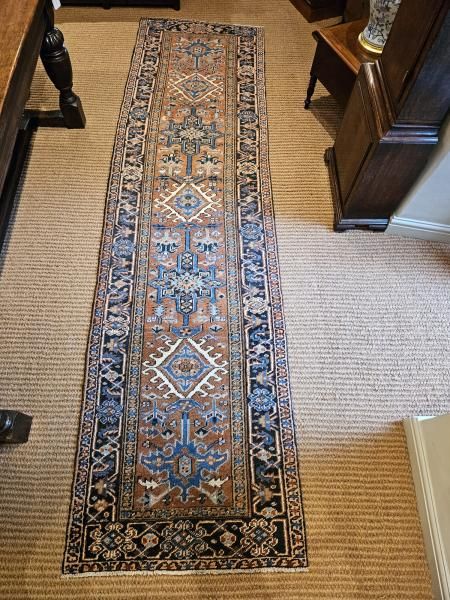
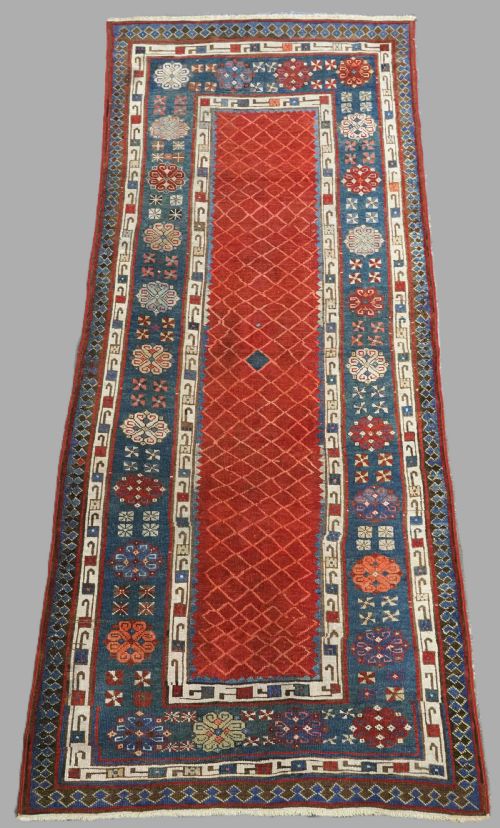
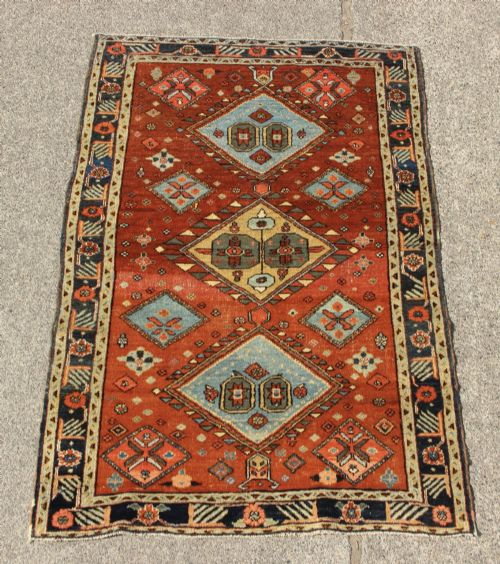
Caucasian Geometric Wool Rug
A caucasian geometric wool rug brings strong tribal character and rich wool texture into a room.
Caucasian Geometric Wool Rug
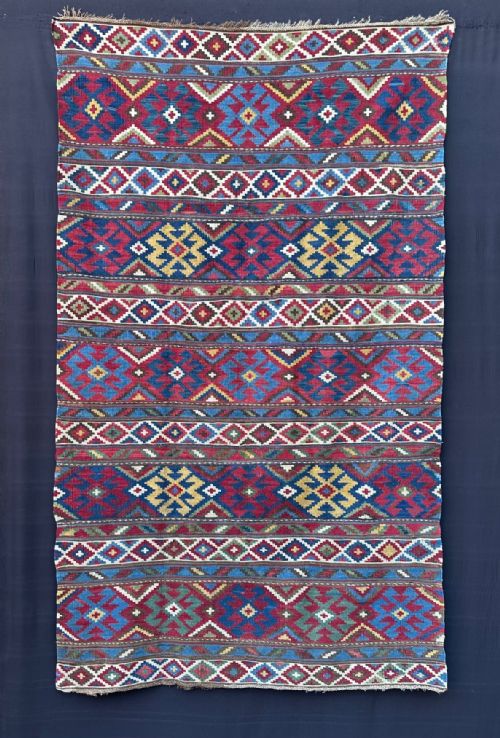
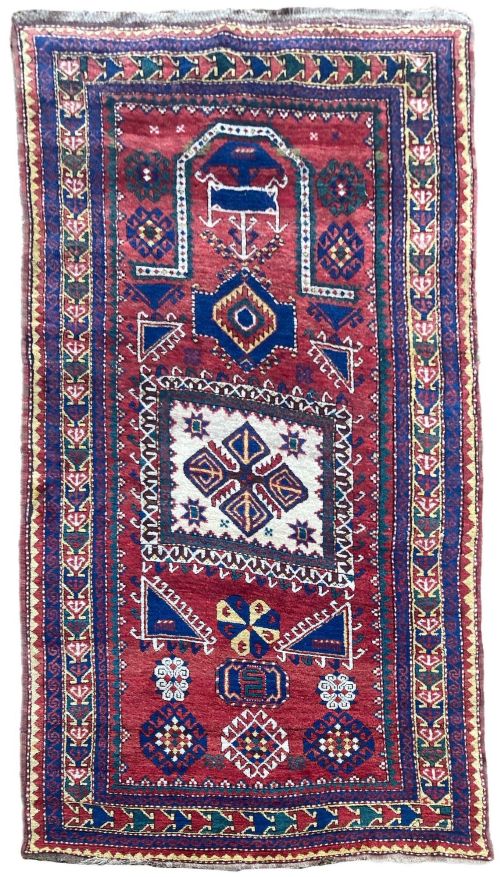
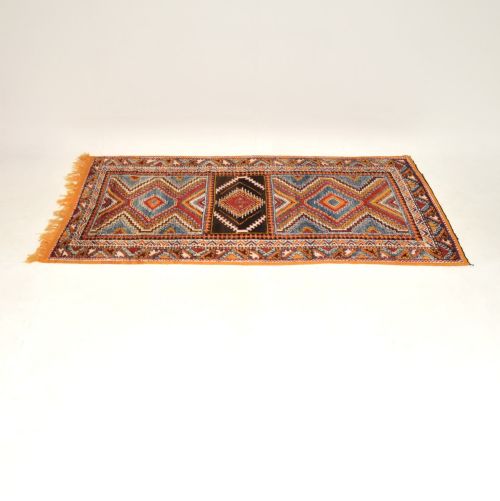
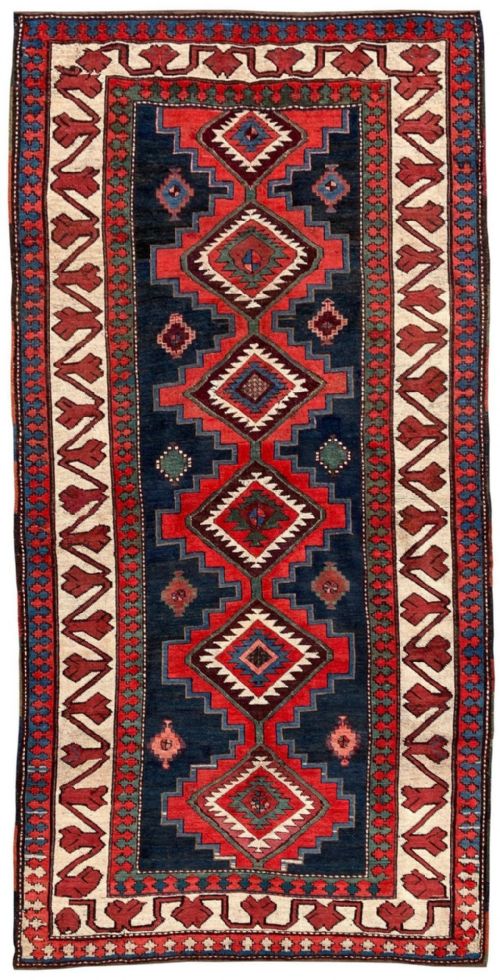
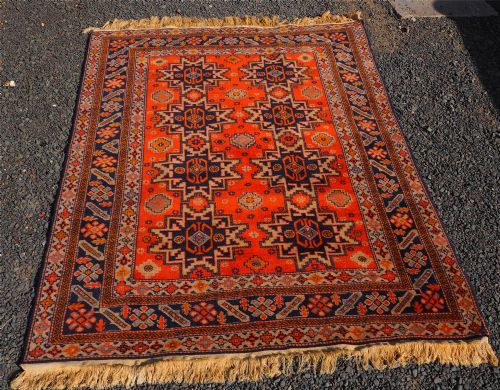
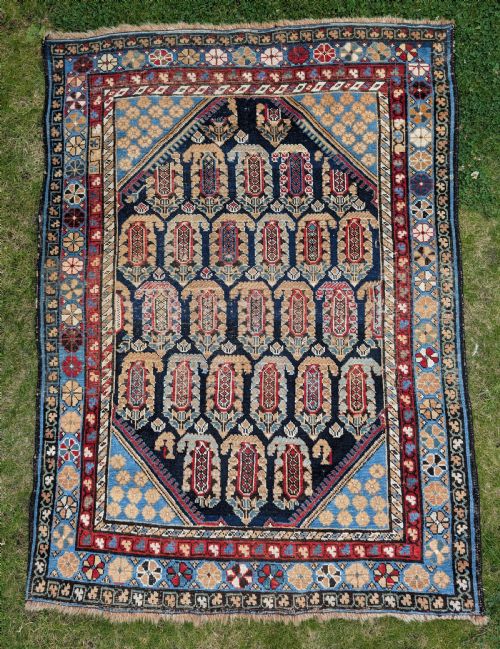
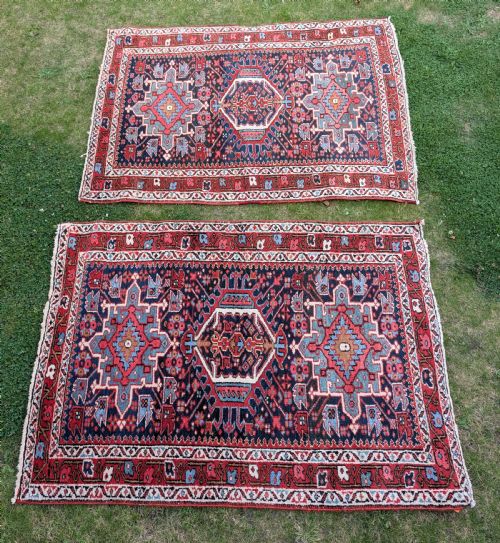
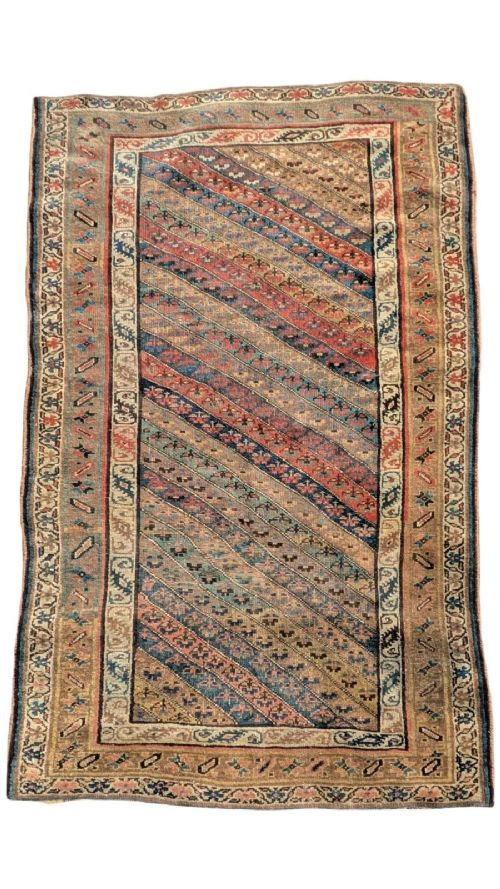
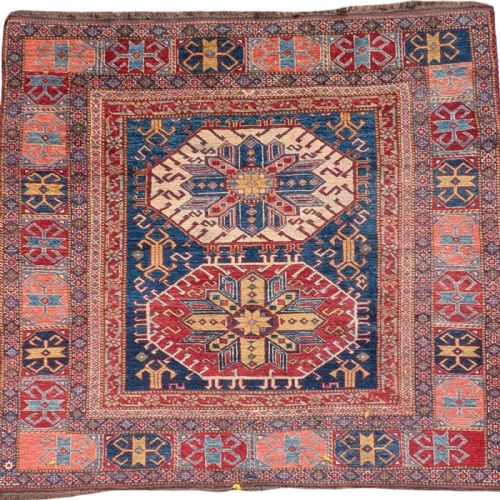
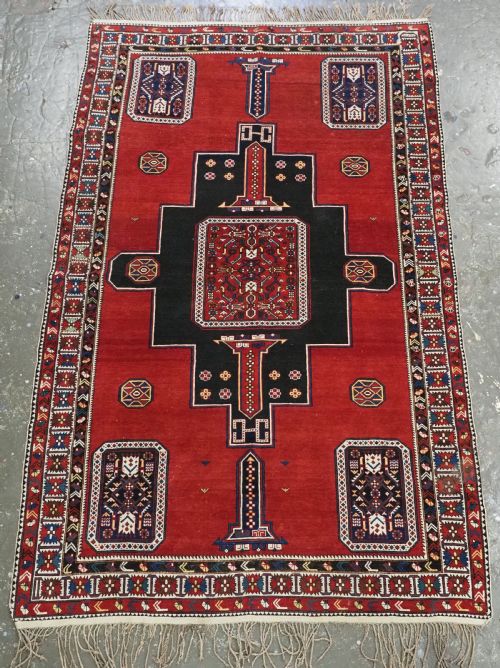
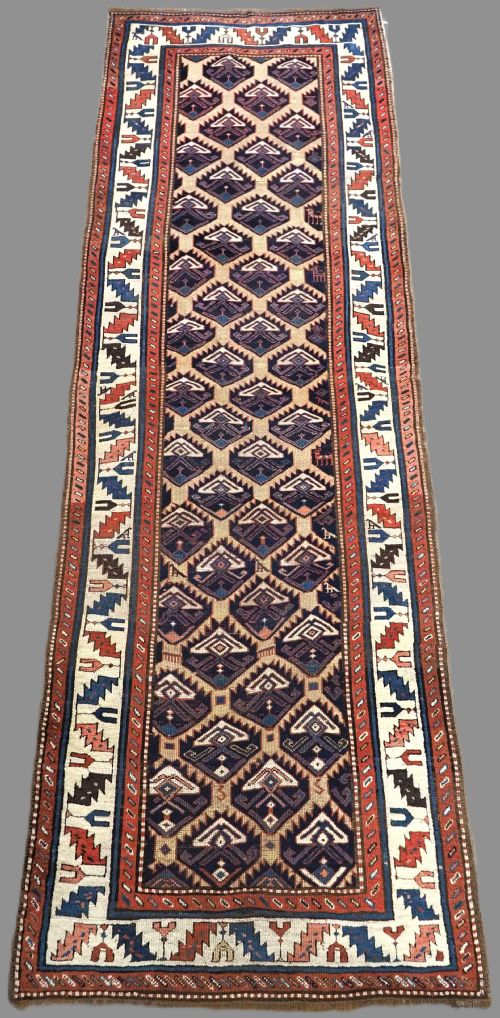
A caucasian geometric wool rug encompasses tribal and village weaving traditions from regions such as Shirvan, Kazak, Kuba, and Daghestan, alongside related Kurdish and Persian examples. Buyers searching this phrase look for authentic antique pieces defined by angular medallions, hooked motifs, and disciplined linear grids rather than flowing floral curves.
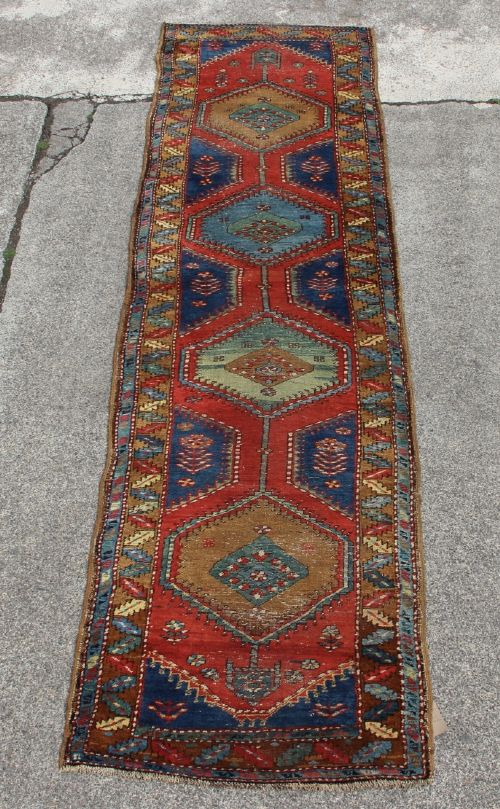
The versions most commonly met on this page span the late nineteenth century to the early twentieth century, taking the form of area rugs, prayer rugs, and long runners. Formats range from small saddle-bags to substantial carpets, reflecting nomadic and village domestic use across the Caucasus and neighbouring territories.
Each piece carries the distinct visual grammar of its origin, whether that is the bold primary palette of a Kazak or the finer lattice work of a Talish or Gendje runner. These floor coverings bridge utility and folk art, offering robust floor textiles shaped by generational weaving practices.
How they were made
The construction relies fundamentally on hand-spun wool foundations and pile, combined with cotton for structural warps and wefts in specific regional types. Artisans knotted the wool by hand onto upright looms, building dense structures designed to endure generations of foot traffic.
Colour comes from natural dyes applied to the wool yarn, yielding deep indigos, madder reds, and earthy yellows that mellow softly over decades. The physical evidence shows flatwoven techniques like sumak and kilim alongside traditional knotted-pile construction, creating varied surface textures across different regional workshops.
Nomadic weavers occasionally tucked miniature saddle-bags and personal vanity pouches into their packs, preserving miniature masterpieces for daily travel.
What varies in quality
Quality rests in the crispness of the geometric drawing and the saturation of the natural dyes used across the wool pile. A superior piece displays precise knotting density and an uncluttered composition where medallions and borders maintain sharp graphic definition.
The handling of the wool itself dictates tactile success, ranging from coarse, heavy nomad weaves to finely polished village rugs with supple handles. Wear and historical restoration alter the integrity of the textile, distinguishing intact surfaces from heavily distressed examples.
The Caucasian Geometric Wool Rug Glossary
- Kazak
- A designated type of Caucasian rug traditionally woven by independent tribes, known for bold geometric medallions and saturated primary colours. These pieces often feature large rectilinear forms and thick wool piles.
- Sumak
- A flatweave technique where coloured weft threads wrap around the warp threads to create a durable, non-pile textile with a patterned face and clean reverse. This method permits intricate diagonal patterns and sharp geometric detailing.
- Kelleh
- A large format rectangular rug format, typically longer than standard room rugs, suited to hallway or gallery placement. These extended formats showcase repeating lattice designs or central medallion sequences.
- Prayer Rug
- A specialised format featuring a distinct architectural mihrab or arch design at one end, oriented toward Mecca during daily worship. These rugs often employ compact dimensions suited to individual devotional use.
- Medallion
- A central ornamental motif set into the field of the rug, anchoring the surrounding geometric composition. It takes star, cruciform, or polygonal shapes depending on the regional weaving centre.
Caucasian Geometric Wool Rug: Frequently Asked Questions
How do I clean a wool rug?
Gentle surface brushing and professional specialist cleaning preserve the natural wool fibres and traditional plant dyes without causing structural damage.
Harsh chemical detergents or excessive water immersion weaken the foundation threads and dull the historic colour palette.
Are these rugs suitable for hallways?
Many examples are produced in runner formats specifically designed for narrow spaces, heavy transit areas, and long corridors.
The dense wool pile and robust hand-spun construction withstand continuous movement while adding warmth and traditional pattern to circulation spaces.
How do I identify a Kazak rug?
Kazak rugs are recognised by their bold primary colours, spacious geometric medallions, and heavy, resilient wool pile.
They display a distinct lack of curved floral elements, favouring instead hooked polygons, stars, and stark rectilinear borders.
What is a sumak weave?
Sumak is a flatwoven technique that creates a sturdy textile without a traditional cut pile by wrapping weft threads around the warps.
This method yields a textured surface with crisp diagonal lines and greater structural stability than standard flat kilims.