


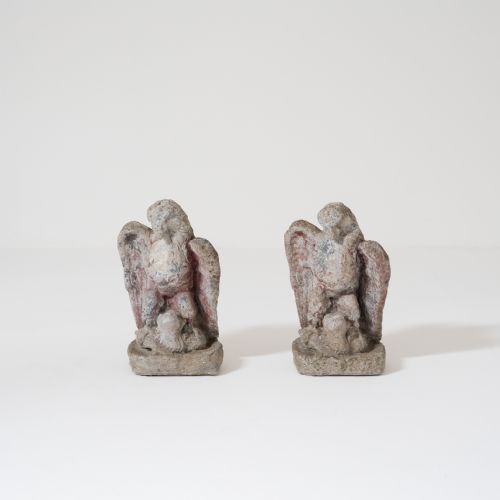

Cast Stone Garden Ornament
A cast stone garden ornament brings classical form and enduring presence to outdoor spaces, anchoring a terrace or path with architectural weight.
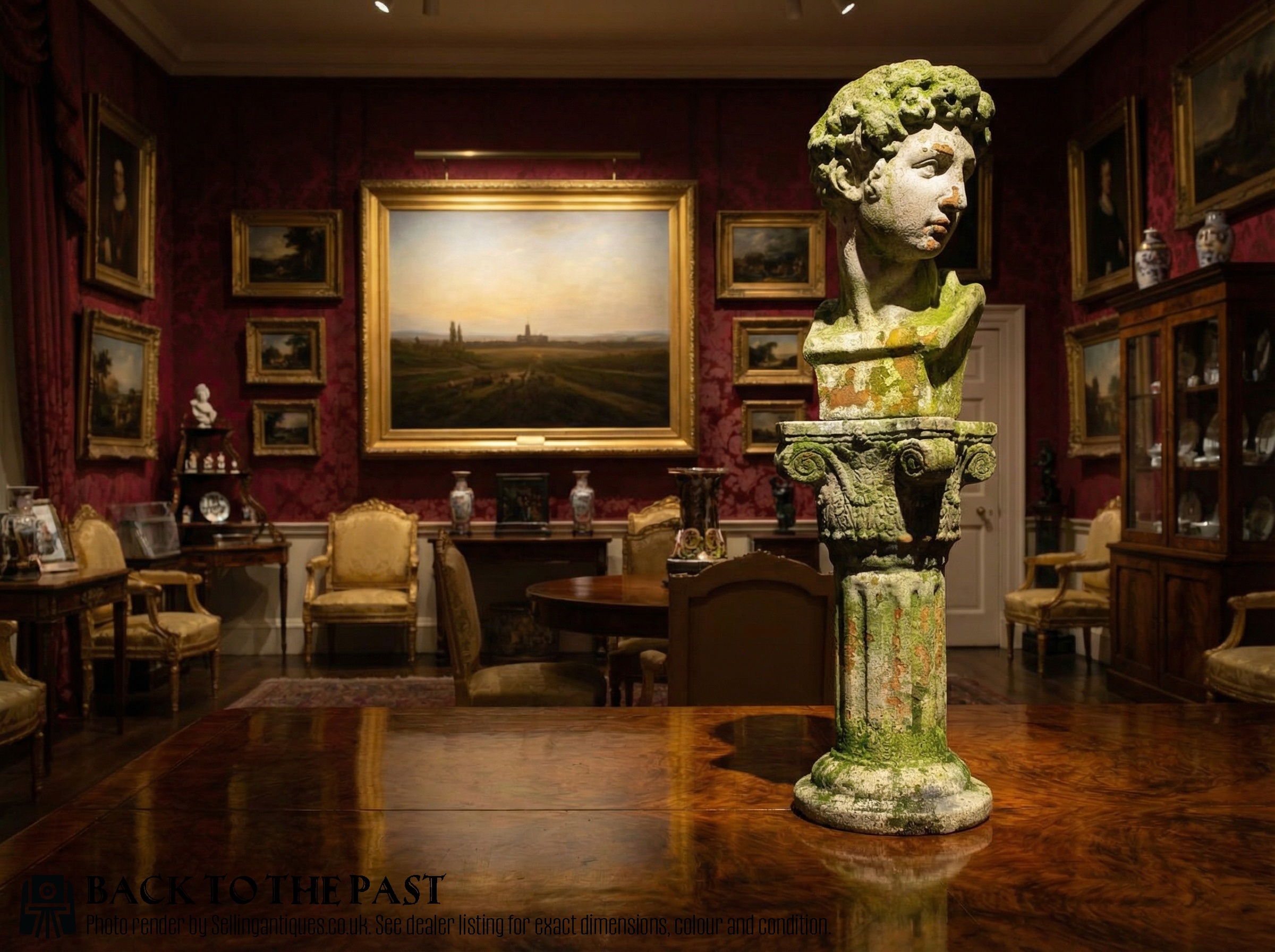
Cast Stone Garden Ornament
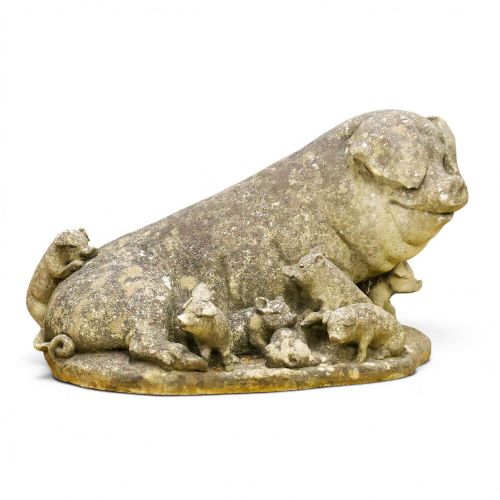
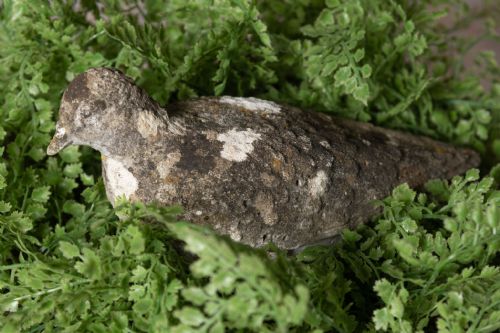
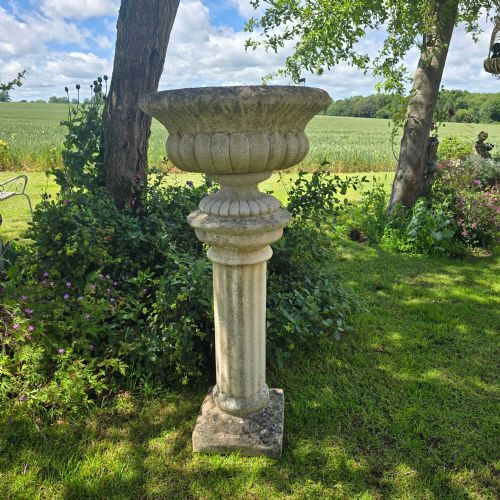
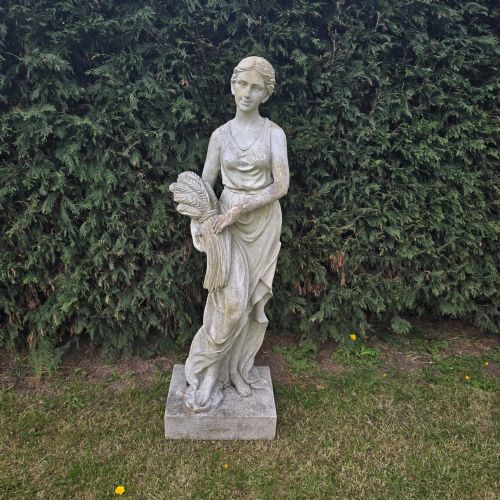
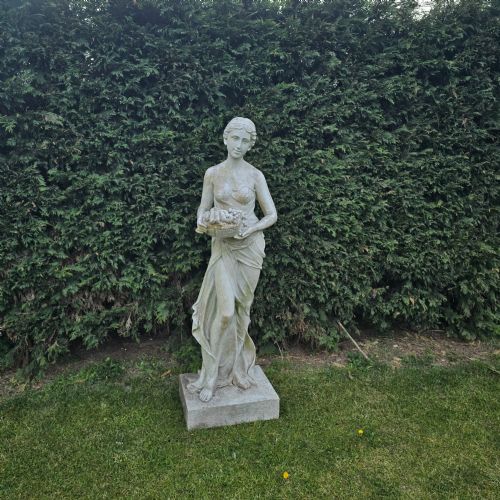
A cast stone garden ornament is designed to weather the elements while introducing classical sculpture, animals, and architectural elements into open spaces. Buyers encounter everything from life-sized allegorical figures and campana urns to playful animals and gate finials.
The pieces appearing on this page span the Victorian and Edwardian eras through to the mid-twentieth century, including items dated from the nineteen-twenties, thirties, forties, and fifties. Mid-century examples and nineteen-thirty pieces dominate the selection, bringing figurative statuary and bird baths to the fore.
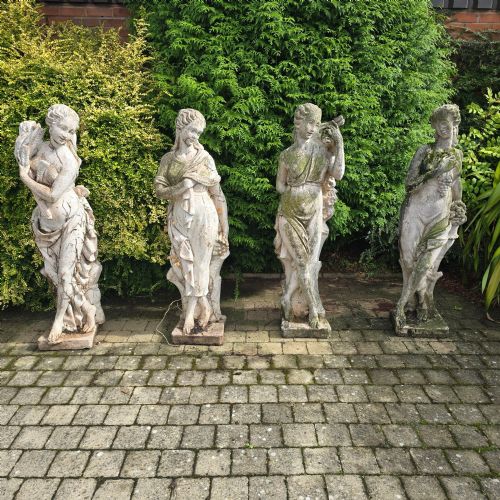
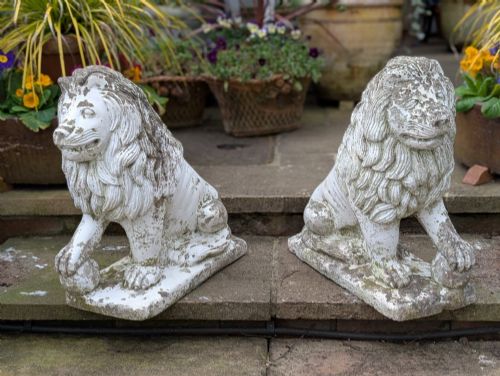
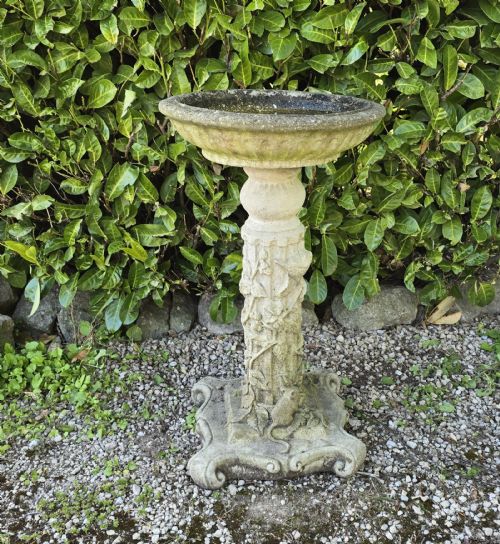
Forms range widely from four seasons figures and seated lion guardians to shell-shaped bird baths and garden gnomes with original flaky paint. Neoclassical and classical revival styles appear alongside traditional English country pieces and architectural antiques.
Materials and construction methods
Makers utilised reconstituted stone, cast stone, composition stone, concrete, and stoneware to cast these ornaments into detailed moulds. Selected pieces incorporate additional materials such as paint and cast iron elements, or feature bronze sundials mounted to the top.
The casting process allowed workshops to replicate the appearance of carved stone or marble while producing durable garden statuary, urns, and architectural finials. Surfaces were left to weather naturally or finished with paint that develops a flaky, patinated character over decades outdoors.
Cast Stone Garden Ornament Retail Price Guide 2026
Typical asking prices for cast stone garden ornament among the pieces listed under this phrase on Sellingantiques today, from the lower quarter to the upper quarter. They describe what is for sale here now, not the wider market.
The listings feature pieces from the Victorian and Edwardian periods alongside nineteen-twenties, thirties, forties, and fifties examples.
Distinctions in quality and finish
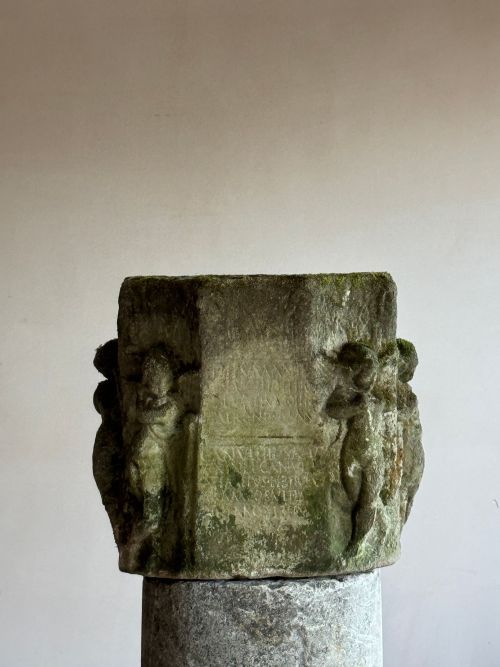
The natural weathering process significantly alters the visual appeal, as decades of exposure to moss, lichen, and rain create a deep, integrated patina. Pieces retaining original paint or displaying harmonious surface ageing offer greater visual depth than uniform modern reproductions.
Andrew Handyside
The Cast Stone Garden Ornament Glossary
- Campana urn
- A bell-shaped garden vessel often mounted on a pedestal, traditionally styled after classical antiquity. These urns frequently appear in pairs flanking pathways or architectural openings.
- Finial
- An ornamental architectural piece placed to cap a gatepost, wall, or pier. Lion figures and geometric forms are common variations.
- Reconstituted stone
- A composite material made from crushed stone and a binder, cast into moulds to imitate natural quarried stone. It provides high durability for exterior garden statuary.
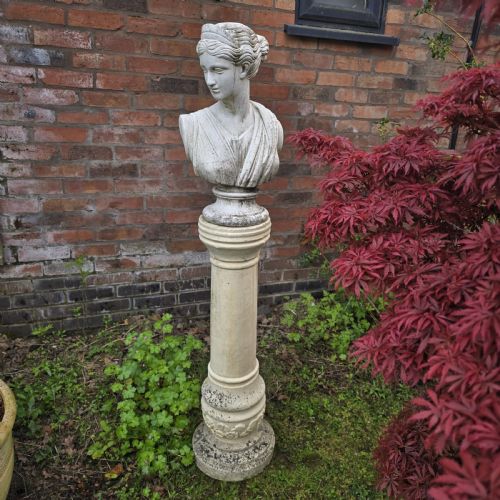
- Plinth
- A heavy rectangular base or pedestal supporting a bust, urn, or statue. It elevates the ornament to create a commanding focal point in the garden.
- Composition stone
- A proprietary mixture used by nineteenth and twentieth-century makers to cast durable garden ornaments. It behaves similarly to modern cast stone.
Cast Stone Garden Ornament: Frequently Asked Questions
How do I care for cast stone?
Cast stone requires minimal maintenance beyond gentle washing to remove excess organic debris while preserving the accumulated weathering and patina. Avoid pressure washing, which can strip away the surface skin and original paint finishes.
Positioning pieces on stable plinths or paving slabs prevents rising damp and frost damage during freezing winter months. Allowing moss and lichen to settle naturally enhances the integration of the ornament into the garden landscape.
Can these ornaments stay outside in winter?
Most pieces are engineered from robust cast stone, concrete, or stoneware designed to withstand year-round exposure to the elements. Their substantial mass helps them endure wind and seasonal temperature shifts.
To prevent frost cracking, ensure bird baths and urns do not retain standing water that expands when frozen. Lifting items slightly off saturated ground using small feet can also protect the base during prolonged wet periods.
How do I date a garden ornament?
Dating relies on stylistic clues, manufacturing materials, and the extent of natural weathering accumulated on the surface. Pieces from the Victorian and Edwardian periods often reflect strict classical revival canons, whereas nineteen-thirties examples include diverse animal figures and gnomes.
The use of early concrete, composition stone, or specific paint residues helps narrow the period of manufacture. Documented makers or distinct casting techniques further assist in placing an object within the nineteenth or twentieth century.
Where should I place statuary in a garden?
Garden statuary works best when framed by natural foliage, positioned at the end of a vista, or used to punctuate a formal lawn. Placing campana urns or stone lions by entrance gates creates a strong architectural threshold.
Elevating figures on plinths draws the eye upward and protects the base from soil moisture. Consider sightlines from interior windows so the ornament remains a focal point throughout the changing seasons.