



Cast Silver Sculpture
Cast silver sculpture brings together solid metal figures and animals shaped by the forge and mould, offering tactile weight to any desk or cabinet.
Cast Silver Sculpture
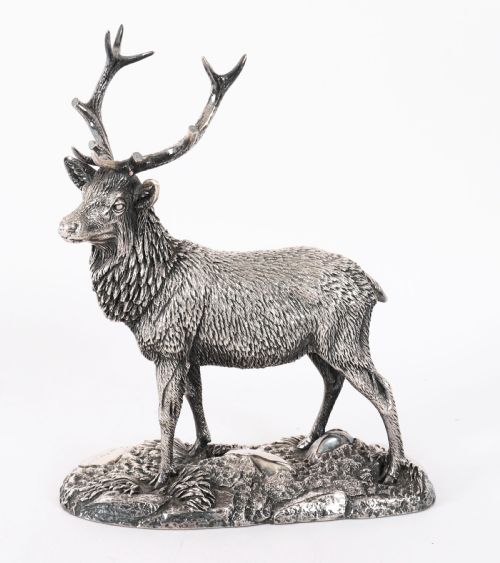
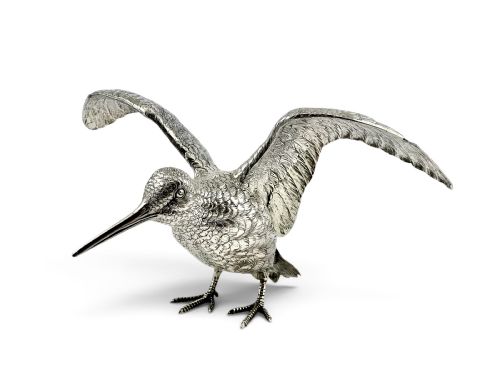
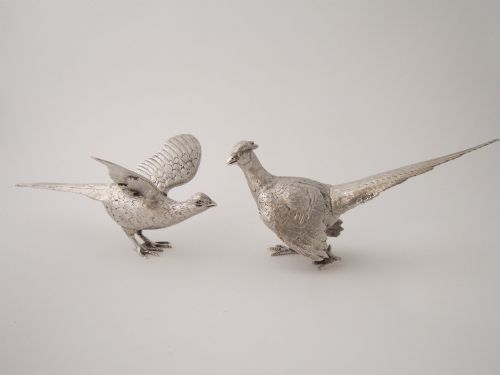
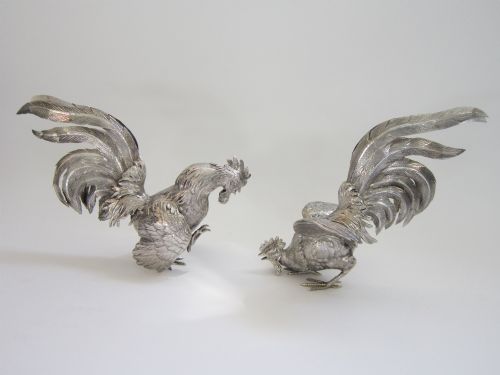
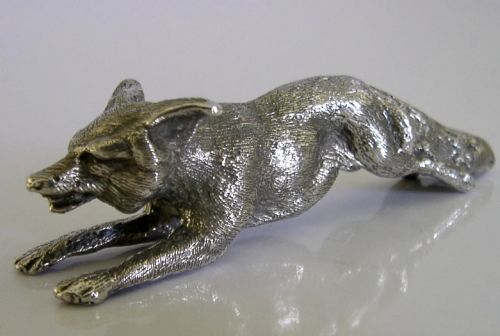
Cast silver sculpture encompasses solid silver, sterling silver, and silver plated objects designed primarily as decorative figures, table ornaments, and animalier studies. When exploring cast silver sculpture, buyers encounter subjects ranging from stags, foxes, and game birds to human figures and novelty desk ornaments.
The selection on this page spans the Victorian era through the Edwardian period, the Art Deco years, and into mid-century British and European pieces. Animalier studies of birds and hunting animals dominate the offerings, alongside utilitarian forms shaped in aluminium and spelter.
Materials and construction methods
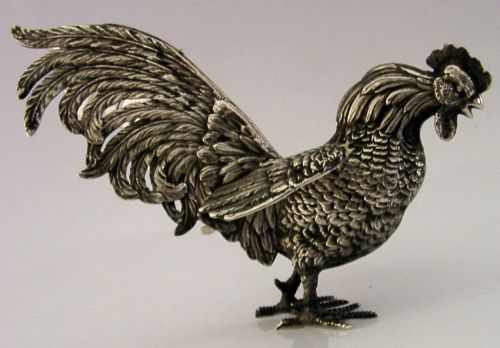
Workshops employed specialised casting techniques to capture the posture of running foxes, standing cockerels, and climbing figures. Surface finishes range from high polish to textured patination that accentuates the musculature and form of each subject.
Several aluminium millinery hat blocks disguised themselves as modern sculpture while quietly waiting to shape felt.
Markers of distinction in casting
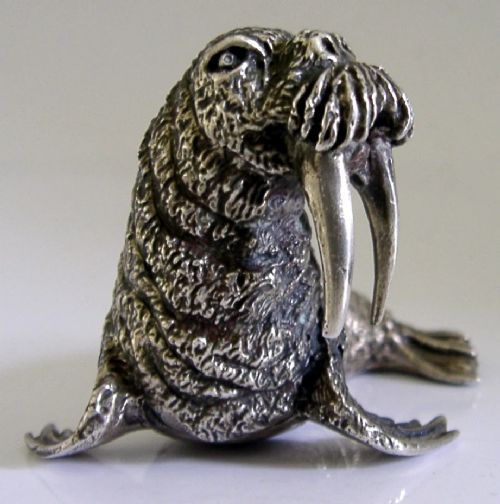
Quality rests in the crispness of the cast and the fidelity of the anatomical detail, particularly in animalier studies where fur and feathers must read naturally. Heavier weight relative to size generally indicates a more substantial piece of solid silver rather than hollow construction.
Maker marks and hallmarks provide clear attribution to established silversmiths, elevating pieces produced by recognised names above unmarked work. The integration of the subject with its base, whether marble or naturalistic ground, also separates standard production from superior artistry.
Tom Mackie·Berthold Muller·Edward and John Barnard·Josef Lorenzl·WMF
The Cast Silver Sculpture Glossary
- Animalier
- A nineteenth-century artistic movement dedicated to the realistic portrayal of animals. Sculptors in this tradition focused closely on the anatomy and movement of wildlife and domestic creatures.
- Hallmark
- An official stamp applied to precious metals indicating purity, origin, and maker. These marks help verify the silver standard and date of manufacture.
- Spelter
- An alloy of zinc and other metals frequently used as a base for metallic sculptures. It was often given a bronze or silver finish during the Art Deco period.
- Sterling silver
- An alloy consisting of pure silver and other metals, usually copper, formulated to increase durability while maintaining lustre. It remains the standard for quality tableware and decorative figures.
- Table ornament
- A decorative small-scale sculpture designed to sit on furniture rather than function as tableware. These objects gained popularity in Victorian and Edwardian interiors.
Cast Silver Sculpture: Frequently Asked Questions
How do I clean cast silver sculpture?
Use a soft microfiber cloth to remove dust from crevices without damaging the patina or fine cast details. Avoid harsh chemical dips that strip away age-appropriate darkness in recessed areas.
For stubborn tarnish on solid silver pieces, apply a gentle, specialised silver cream sparingly with cotton buds. Rinse lightly and dry immediately to preserve the surface integrity.
What periods do these pieces represent?
The available selection covers Victorian, Edwardian, and Art Deco eras, extending through the nineteen-fifties and nineteen-sixties. Mid-century British and European designs sit alongside earlier traditional styles.
Each period brings distinct stylistic choices, moving from naturalistic nineteenth-century animalier studies toward stylized twentieth-century geometric and modernist forms.
Are all these sculptures solid silver?
Materials vary across the listings, encompassing sterling silver, solid silver, and silver plate, alongside alternative metals like aluminium, white metal, and spelter. Each listing specifies the exact metal composition used in the piece.
Weight often corresponds to the material, with heavier items indicating solid silver or substantial cast metal construction rather than plating.
How were table ornaments used originally?
Victorian and Edwardian households placed small silver figures on dining tables, desks, and mantelpieces as decorative conversation pieces. Animals and figural studies reflected the owner's taste in hunting, nature, or art.
Many functioned purely as aesthetic objects, while others served as sugar boxes or desk accessories, combining utility with sculptural form.