

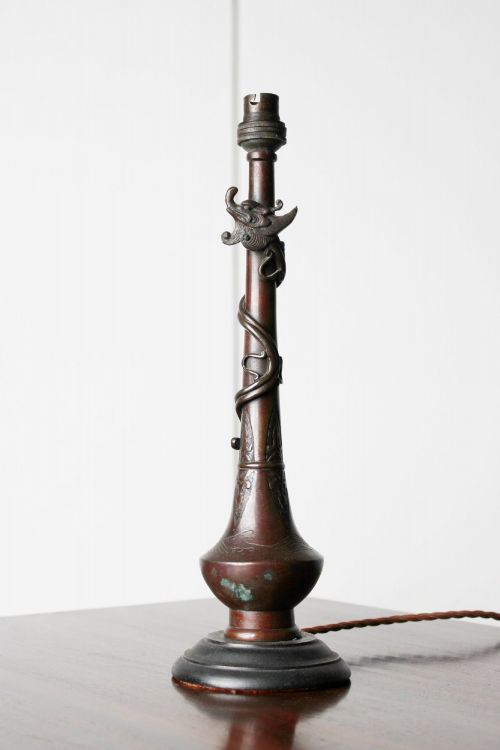


Cast Metal Table Lamp
A cast metal table lamp provides weight and presence to a room, offering enduring metalwork shaped across the nineteenth and twentieth centuries.
Cast Metal Table Lamp
A cast metal table lamp brings substantial weight and solid construction to a room, spanning forms from converted oil vessels to figural lighting. When searching for a cast metal table lamp, buyers encounter pieces fashioned in bronze, brass, spelter, cast iron, and gilt metal.
The selection ranges from Victorian oil lamps and Edwardian desk designs to French Art Deco figural pieces and Japanese Meiji bronzes. Many incorporate decorative bases of marble or glass alongside fabric and frosted glass shades.
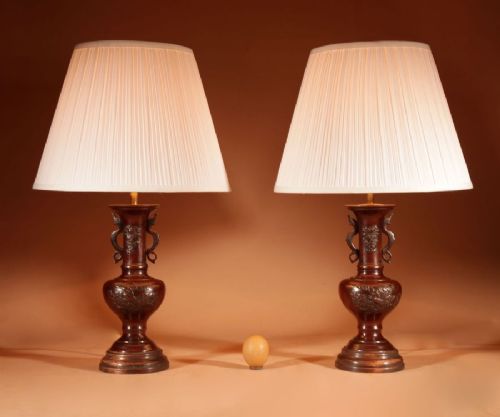
Makers and foundries utilised casting techniques to produce detailed ornamentation, including Neoclassical urns, Chinoiserie motifs, and organic Art Nouveau flora. These items function as reliable task lighting while serving as sculptural centrepieces.
Materials and casting methods
Foundries shaped these pieces through metal casting, pouring molten bronze, brass, spelter, or iron into moulds to achieve intricate relief work and solid structural forms. Artisans frequently combined these metals with marble plinths, glass stems, and applied patinas.
Surface finishes include parcel gilding, ormolu, and patinated bronze, giving the metal distinct colour and texture. Many domestic examples started as oil lamps or architectural fittings before conversion to electricity.
Cast Metal Table Lamp Retail Price Guide 2026
Typical asking prices for cast metal table lamp among the pieces listed under this phrase on Sellingantiques today, from the lower quarter to the upper quarter. They describe what is for sale here now, not the wider market.
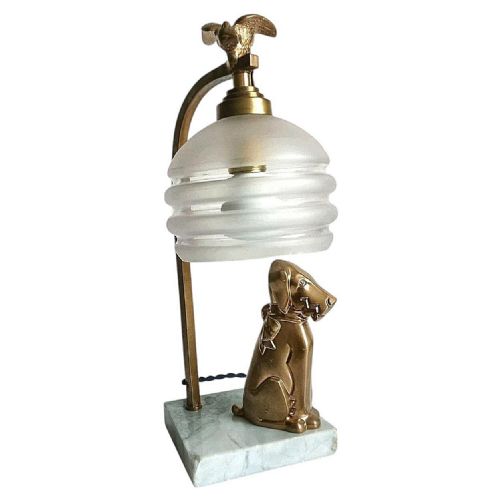
Dogs and parrots frequently steal the show, standing guard on French Art Deco novelty bases and marble night lights.
Evaluating the craftsmanship
The integration of secondary materials, such as veined marble bases or moulded glass shades by makers like Muller Bros, elevates the overall execution. Integrity of construction and original patination distinguish superior studio output from standard production.
L & F Moreau·The Charles Parker Company·Muller Bros·Adrien Gaudez
The Cast Metal Table Lamp Glossary
- Spelter
- A zinc alloy frequently used as a cost-effective substitute for bronze in nineteenth and twentieth-century casting. It is often finished with a bronze-look patina.
- Ormolu
- Gilt bronze produced by applying a finely ground high-carat gold-mercury amalgam to a bronze object. The technique creates a rich golden surface common on French decorative items.
- Patina
- The surface sheen and colour developed on metal through age, handling, and environmental exposure. It reveals the natural ageing process of the bronze or brass.
- Meiji Period
- The era in Japanese history lasting from 1868 to 1912, noted for highly detailed bronze work exported to Western markets.
- Frosted glass
- Glass treated with acid etching or sandblasting to create a diffuse, non-reflective surface. It softens the light emitted from the bulb.
Cast Metal Table Lamp: Frequently Asked Questions
How do I date a metal lamp?
Dating relies on stylistic clues such as Art Deco geometric lines or Victorian floral motifs, alongside the construction methods of the base and wiring ports.
Examining the type of metal, the presence of marble plinths, and maker signatures helps narrow the decade of production.
Are these lamps converted from older items?
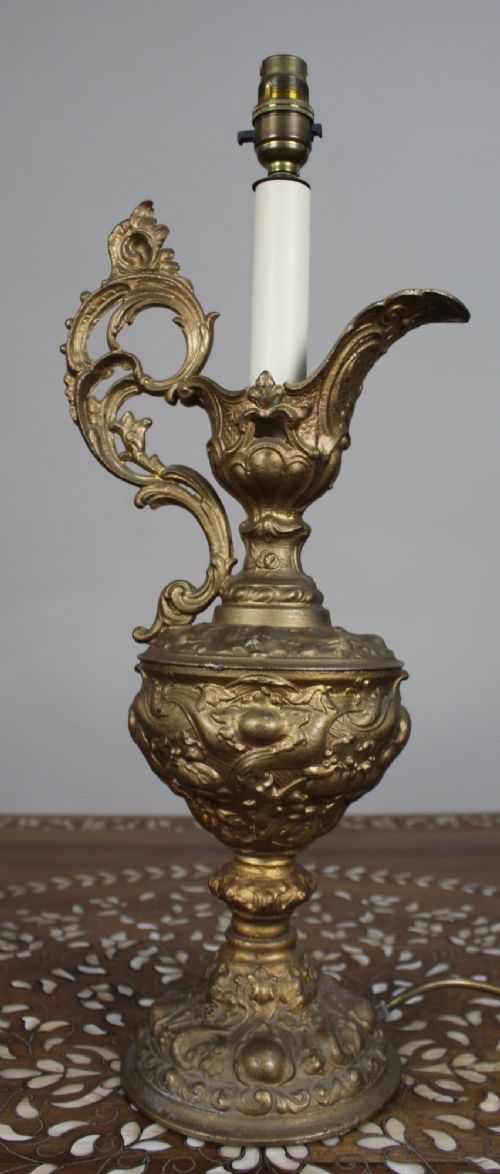
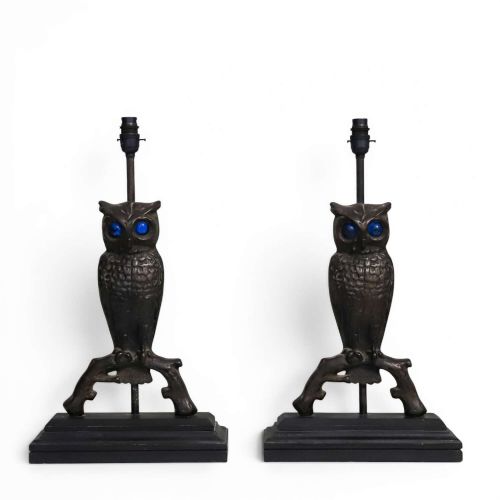
Many examples on the market began life as oil lamps, andirons, or decorative ewers before receiving modern electrical fittings.
These conversions maintain the original decorative metalwork while adapting the piece for contemporary domestic use.
How should I clean bronze and brass?
Maintenance requires dusting with a dry cloth to preserve the existing patina and prevent the accumulation of grime on intricate casting details.
Abrasive cleaners and metal polishes should be avoided because they strip away historical surface finishes.
What is the difference between bronze and spelter?
Bronze is a robust alloy of copper and tin that yields sharp casting details and heavy weight, enduring centuries of use.
Spelter uses a softer zinc base that feels lighter and requires careful handling to prevent cracks in the metal.