


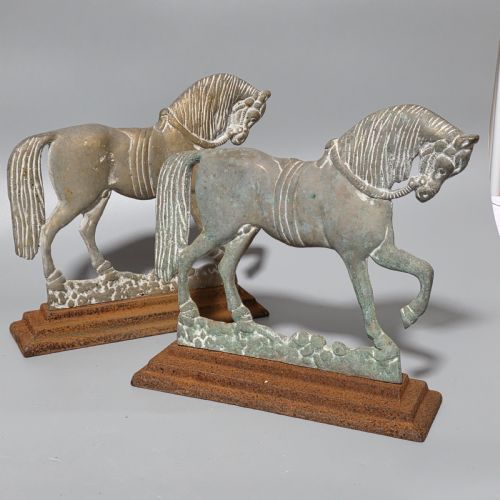


Cast Metal Door Porter
A cast metal door porter holds heavy interior doors open while bringing sculptural weight and period character to a hallway.
Cast Metal Door Porter
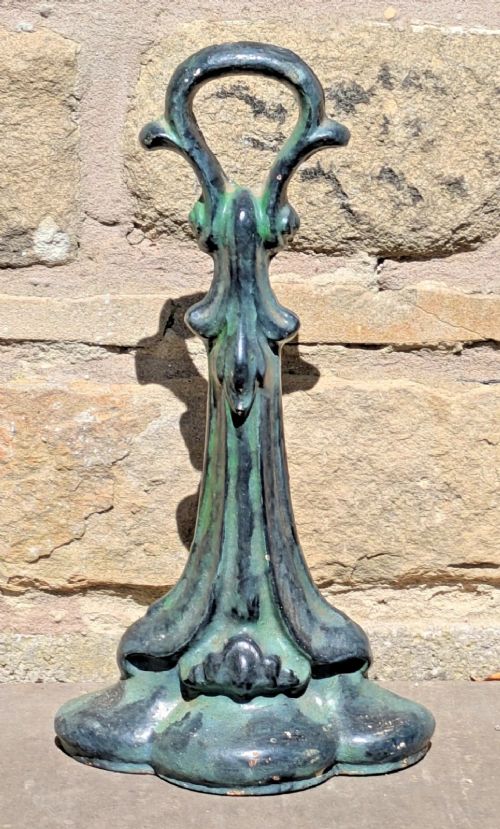
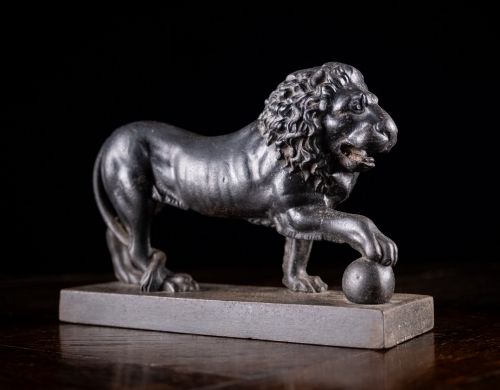
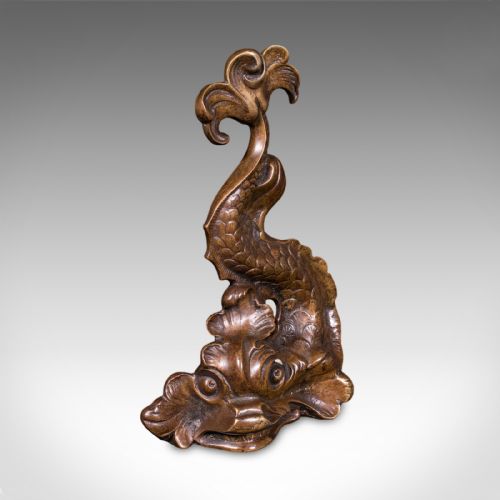
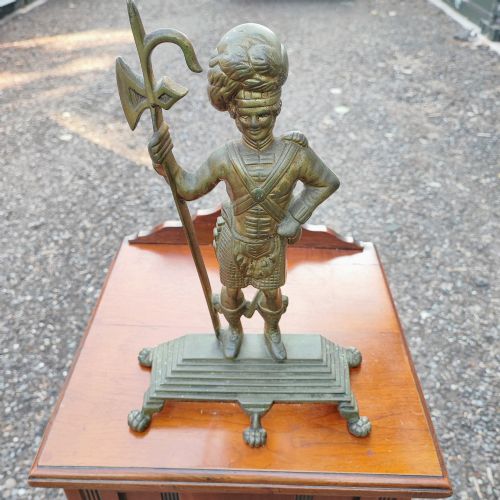
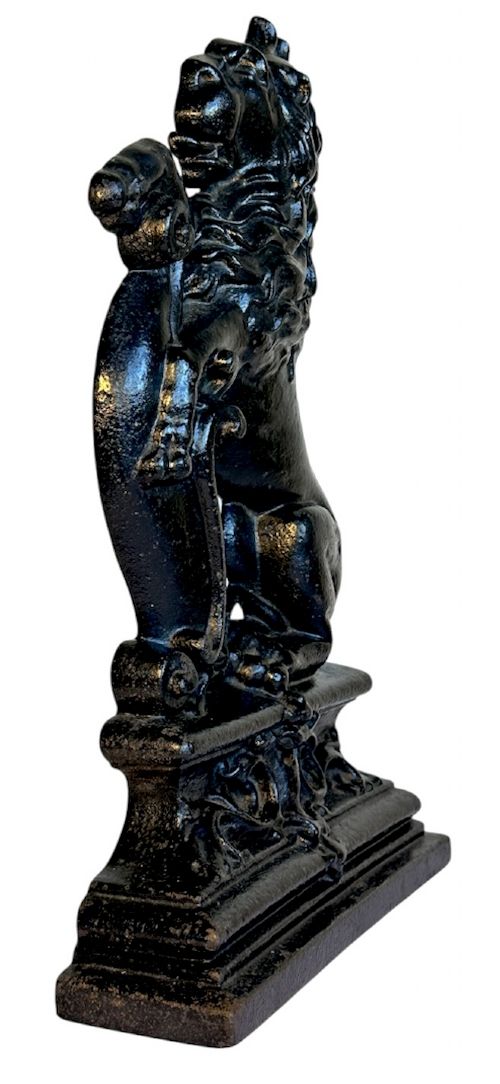
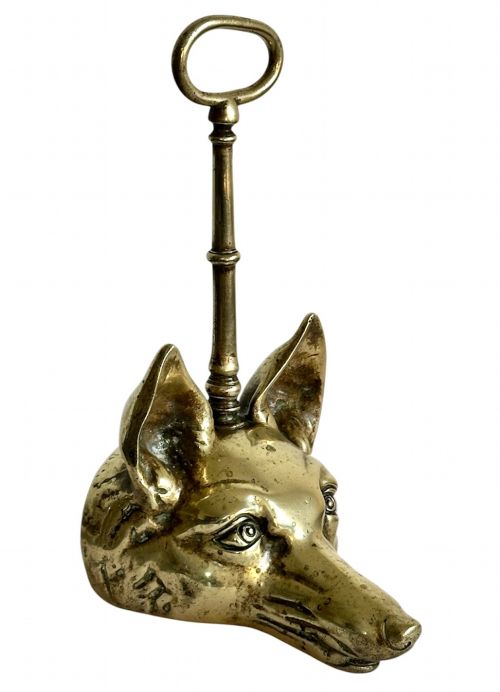
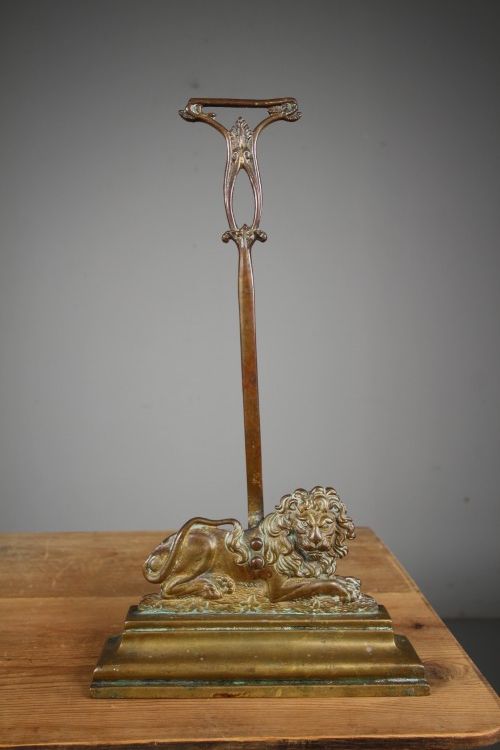
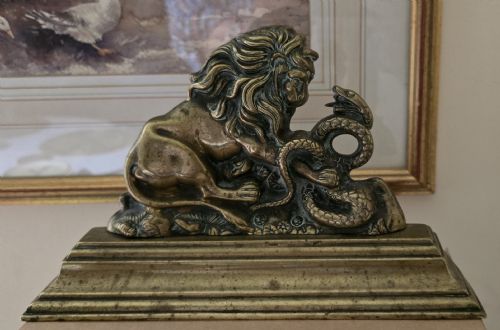
When you search for a cast metal door porter, you encounter substantial utilitarian items designed to keep interior doors from swinging shut in draughty rooms. These heavy objects take forms such as rampant lions, horses, foxes, cherubs, and figures like Mr Punch.
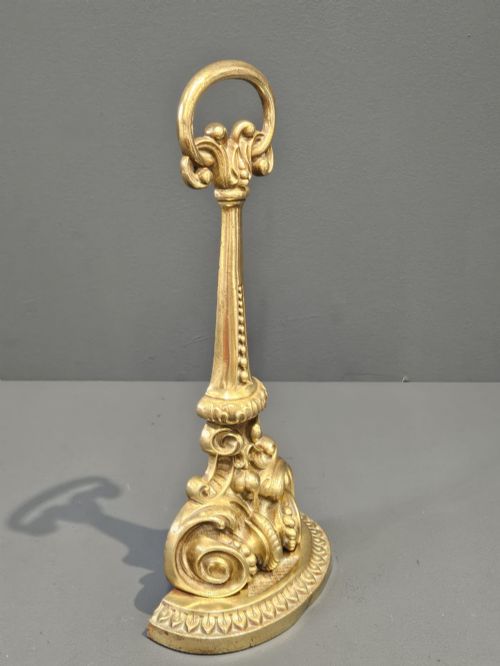
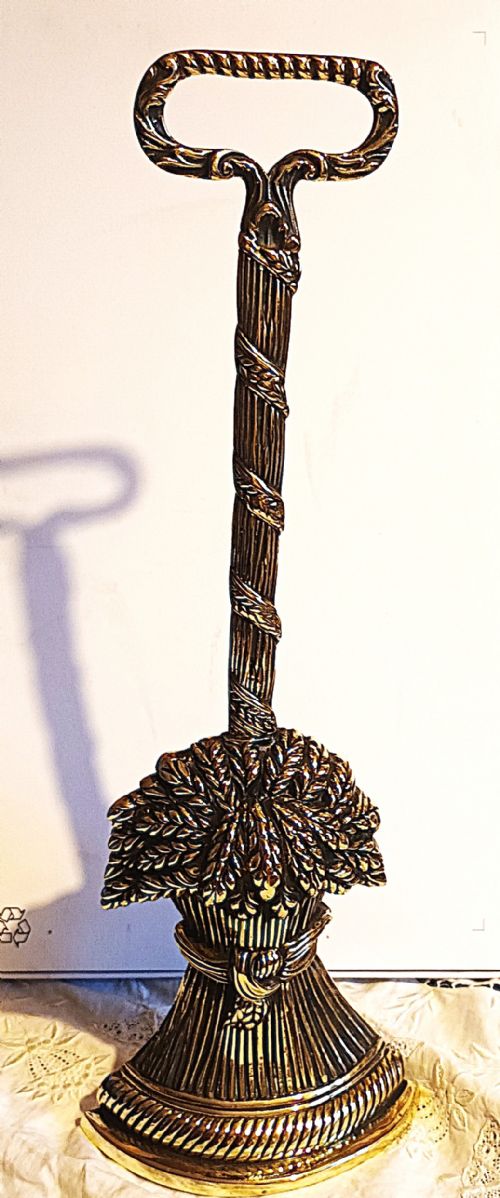
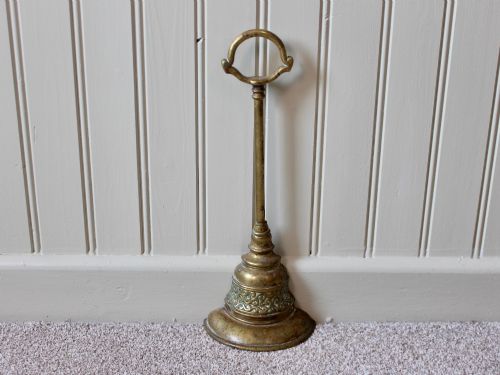
The versions you are most likely to meet on this page originate from the Victorian period and the nineteenth century, executed in cast iron, brass, and bronze. English country house and Regency styles appear frequently, often featuring integrated carrying handles at the top.
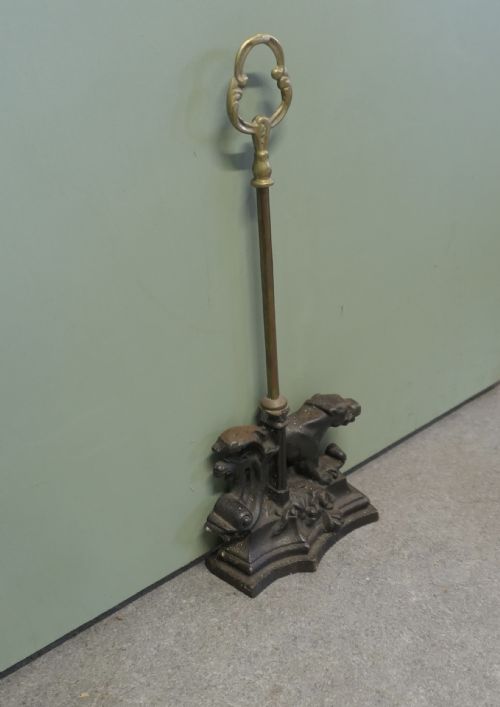
Makers such as Tonks produced utilitarian hardware that doubled as decorative sculpture for domestic interiors. Many examples combine cast iron bases with brass figures or decorative elements.
What varies in quality
Weight distribution and original surface preservation separate functional utilitarian pieces from decorative objects. Examples retaining original paint or fire gilding show greater fidelity to their period of manufacture.
Cast Metal Door Porter Retail Price Guide 2026
Typical asking prices for cast metal door porter among the pieces listed under this phrase on Sellingantiques today, from the lower quarter to the upper quarter. They describe what is for sale here now, not the wider market.
Listings feature items spanning the Georgian, Regency, and Victorian periods, with materials ranging from basic cast iron to gilt bronze.
Tonks·William Tonks·William Tonks and Sons
The Cast Metal Door Porter Glossary
- Door porter
- A heavy portable weight used exclusively for keeping interior doors open. These objects are also frequently catalogued as doorstops.
- Cast iron
- An iron-carbon alloy poured into moulds to create heavy, rigid objects. It provides the essential mass required for a functional door porter.
- Regency
- An English design period spanning the early nineteenth century. Pieces from this era often incorporate classical motifs like dolphins and mythical creatures.
- Gilt bronze
- Bronze treated with a layer of gold or gold-coloured alloy. This finish appears on decorative nineteenth-century door furniture.
- Figurative
- Representing a human or animal form rather than an abstract design. Animal and character figures dominate nineteenth-century door hardware.
Cast Metal Door Porter: Frequently Asked Questions
How do I use a door porter?
Place the heavy metal object directly on the floor against the open interior door to prevent it from moving.
The integrated handle at the top allows you to lift and reposition the porter easily with one hand.
Were these made of iron or brass?
Foundries used both metals, frequently combining cast iron for heavy internal weights with bright brass for the visible decorative elements.
Some examples are cast entirely in solid brass, bronze, or painted iron.
How do I date a cast metal porter?
Examine the style, casting sharpness, and material composition to connect the piece with Victorian, Regency, or Georgian design conventions.
Figurative subjects like Mr Punch or military figures often point toward specific decades in the nineteenth century.
What is the difference between a door porter and a doorstop?
The terms are generally used interchangeably to describe heavy decorative objects designed to hold doors open.
Traditionally, a porter often includes an upright handle for carrying, whereas smaller wedge-shaped items sit lower to the ground.