
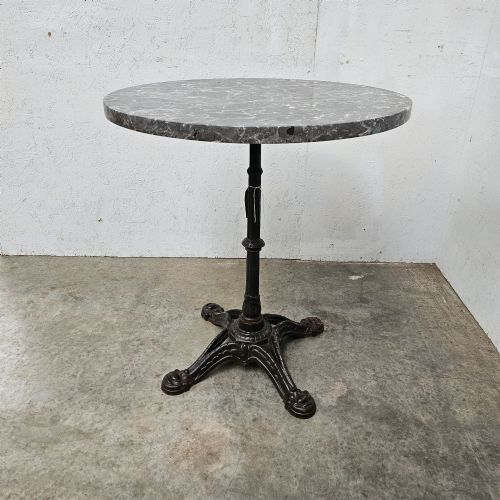


Cast Iron Pub Table
A cast iron pub table is a sturdy commercial counter-piece built for hospitality, combining industrial metalwork with timber tops.

Understanding the cast iron pub table
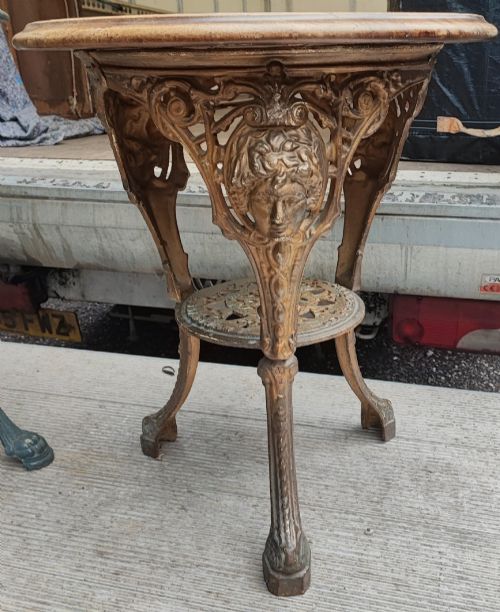
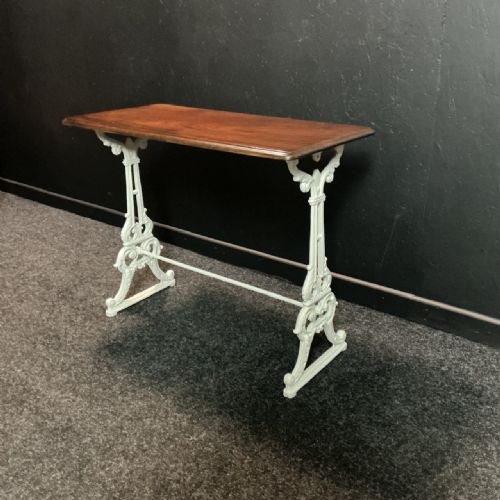
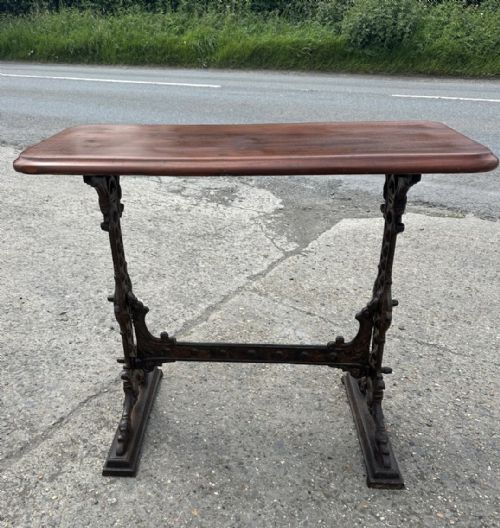
A cast iron pub table is a heavy utilitarian furnishing designed for commercial taverns, bars, and public gardens during the nineteenth century. These pieces combine robust metal bases with fitted tops intended to withstand rigorous daily use in public houses.
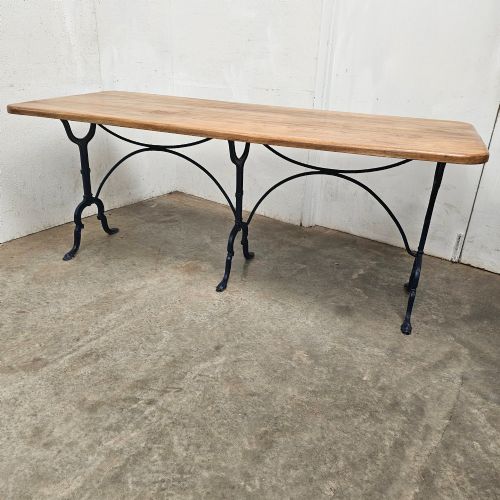
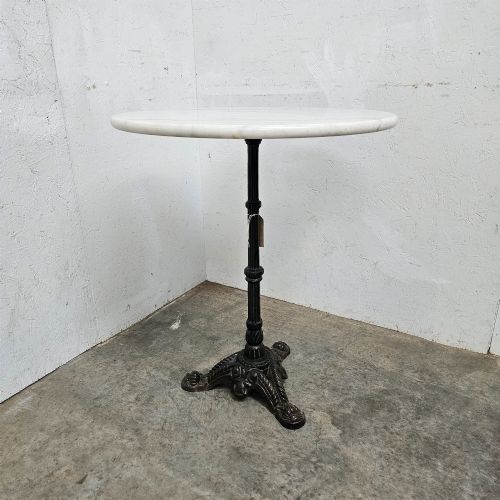
The Victorian period supplies the vast majority of examples seen here, often categorised under specific regional names and patterns such as Britannia or the Viking. Forms vary from compact drinks tables and round bistro styles to long formats and garden variants.
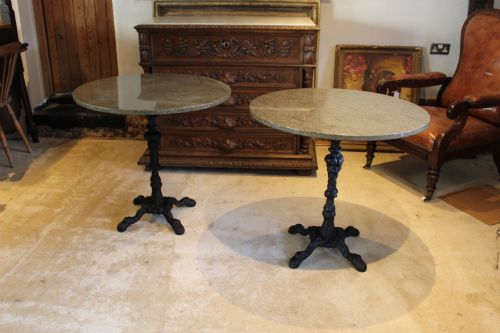
Origins span English and French workshops, utilising durable metal casting techniques paired with resilient timber or stone surfaces. Buyers encounter occasional tables, side tables, and outdoor terrace furniture suited to both domestic interiors and garden settings.
Materials and construction methods
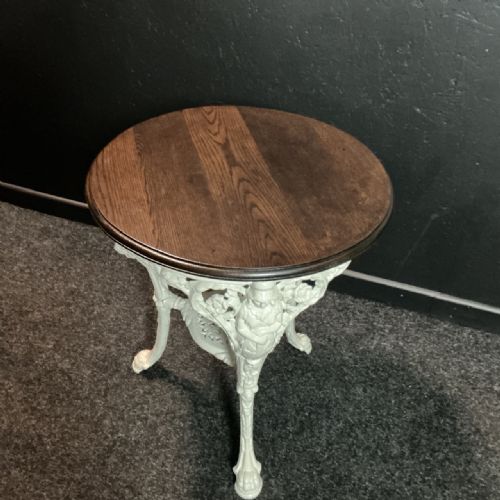
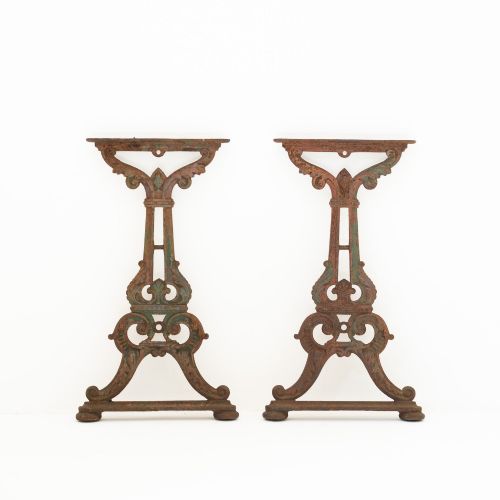
Foundries produced the heavy structural supports using molten metal poured into moulds, creating intricate scrollwork, figurative pedestals, and substantial weighted feet. These cast iron bases provide exceptional stability and counter-balance light or heavy tops alike.
Tops paired with these metal bases utilise a variety of native and imported timbers including oak, pine, cedar, and mahogany, alongside harder surfaces like marble, copper, and stone. Carpenters and joiners secured these circular or rectangular surfaces directly to the iron spiders or columns.
Retail Price Guide 2026
Typical UK retail prices for cast iron pub table, calculated from the Sellingantiques database of over a million retail prices indexed since 2003. This retail price guide relies exclusively on Sellingantiques data; no external sources or auction records are used, so the figures do not describe the wider market.
Listings feature Victorian pieces alongside French industrial examples, spanning materials from cast iron and oak to cedar, pine, and marble.
Distinctions in standard and execution
The refinement of the metal casting separates standard production from finer foundry work, visible in the crispness of relief detailing, lettering, and figural motifs on the base. Crisp, well-defined pedestals reflect superior pattern-making and careful mould preparation.
The relationship between the top and the base dictates structural integrity, with original matching timber or stone surfaces holding greater historical consistency than later replacements. The choice of material, whether solid mahogany, marble, or simple pine, alters the overall weight and presence of the piece.
TJ Griffiths of Liverpool·Gaskell Chambers
The Cast Iron Pub Table Glossary
- Britannia
- A common style of nineteenth century pub table featuring a heavy cast iron base typically cast in the form of the seated figure of Britannia or elaborate strapwork. This pattern provides a stable footprint designed to prevent tipping on uneven tavern floors.
- Spider
- The metal bracket or framework beneath the tabletop that connects the central cast iron column to the underside of the wooden or stone surface. This component distributes weight evenly across the pedestal.
- Bistro table
- A small café or tavern table designed for tight spaces, frequently featuring a single central cast iron column and a circular top. These pieces served patrons in both indoor drinking rooms and outdoor garden terraces.
- Foundry
- A factory where metal is melted and poured into moulds to create shaped components. Victorian ironfounders produced standardised pub table bases in high volumes for the hospitality trade.
Frequently Asked Questions
How were these tables used in pubs?
These tables served patrons for drinks and socialising in bustling nineteenth-century public houses and taprooms. Their heavy weighted bases prevented tipping in busy commercial environments.
Over time, many migrated from commercial interiors to private gardens, conservatories, and domestic kitchens where their durability proved equally useful.
Are the tabletops usually original?
Many examples retain their original timber or stone tops, such as solid mahogany, oak, pine, or marble fitted during the nineteenth century. Replacement tops are also common due to the intense wear pub furniture endured.
Examining the fixings and the underside of the top helps determine whether the wood or stone has been associated with the base since its manufacture.
Can these tables be used outdoors?
Cast iron bases withstand outdoor conditions well, making them suitable for garden terraces and patios when paired with weather-resistant tops. Painted finishes offer additional protection against moisture.
Wooden surfaces require regular maintenance if kept outside, whereas stone and marble variants handle exterior placement with ease.