


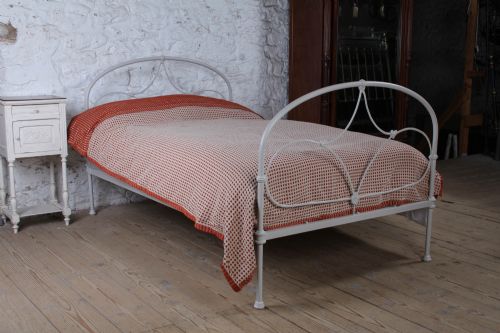
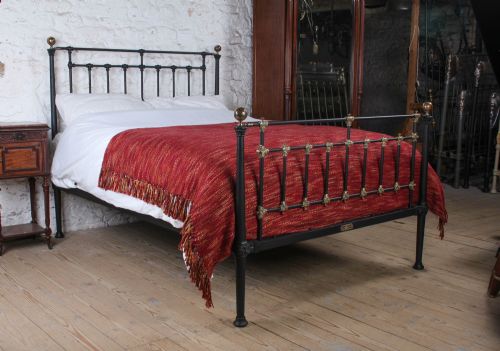
Cast Iron Headboard Frame
A cast iron headboard frame anchors a bedroom with solid nineteenth-century structure, combining durable metalwork with traditional decorative brass and paint details.
Cast Iron Headboard Frame
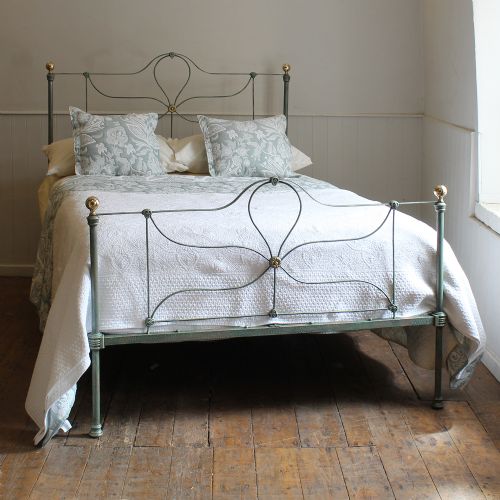
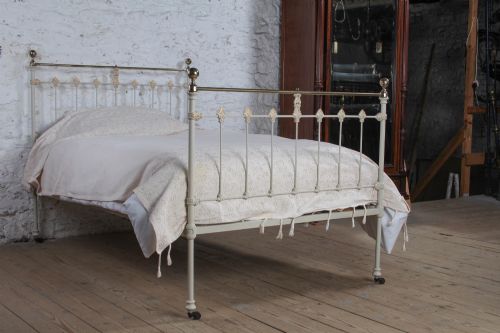
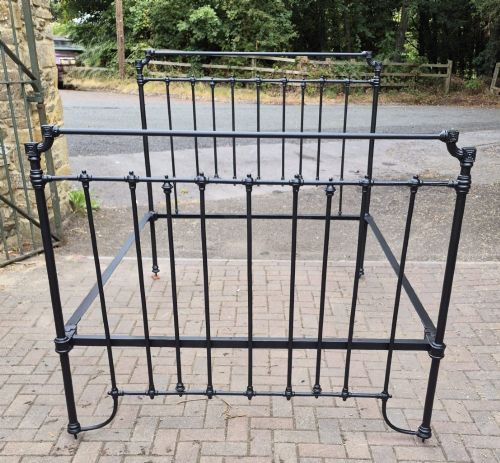
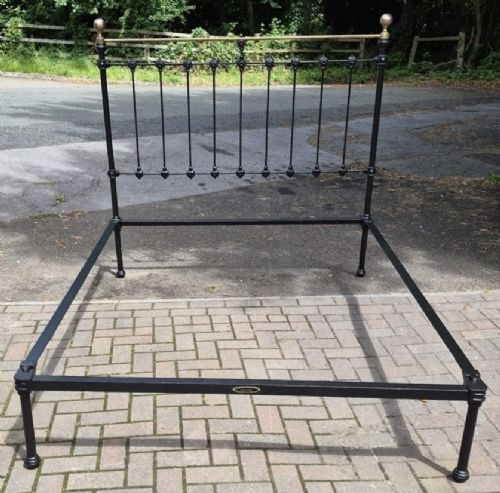
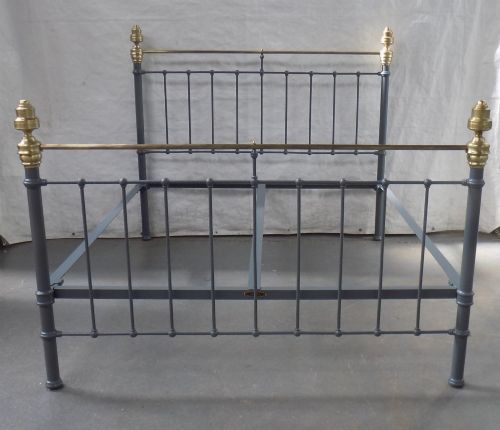
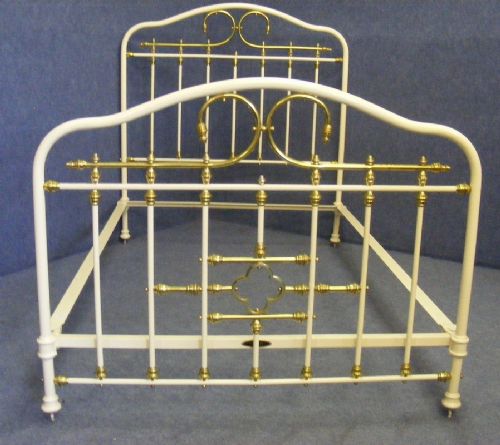
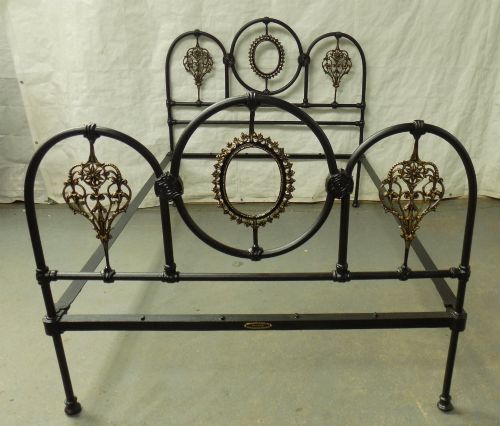
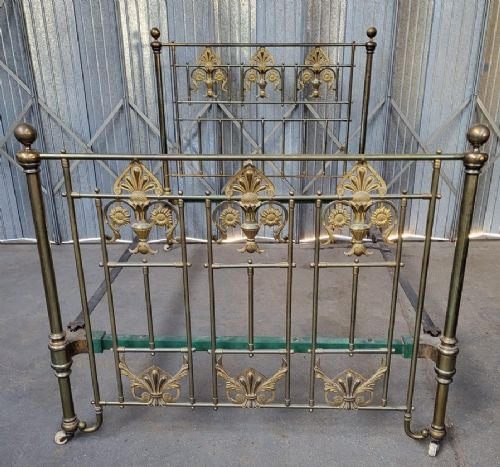
When buyers search for a cast iron headboard frame, they encounter robust nineteenth-century beds and bedsteads that utilise iron, cast iron, and wrought iron structures. These pieces primarily date from the Victorian and Edwardian eras, spanning the decades between 1860 and 1900.
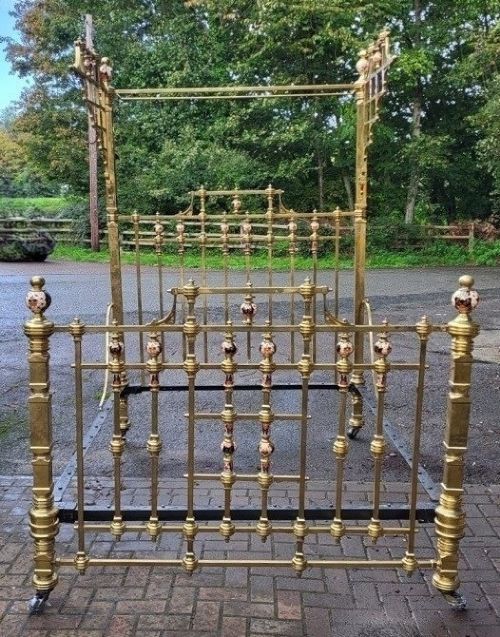
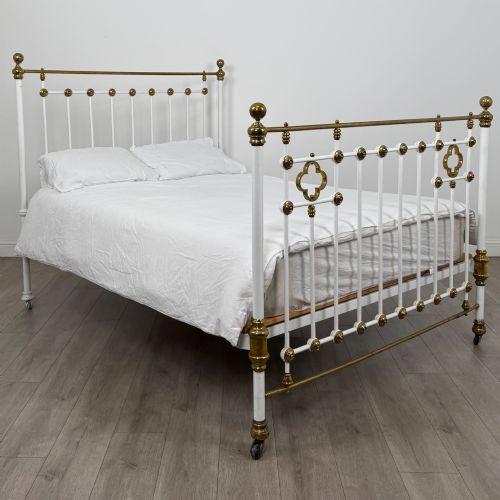
The selections available here range from single beds and small doubles to king and super king sizes. Many examples combine cast iron with contrasting brass elements, ceramic components, or painted finishes, reflecting styles such as Art Nouveau, French Country, and the Victorian Aesthetic Movement.
Materials and Construction
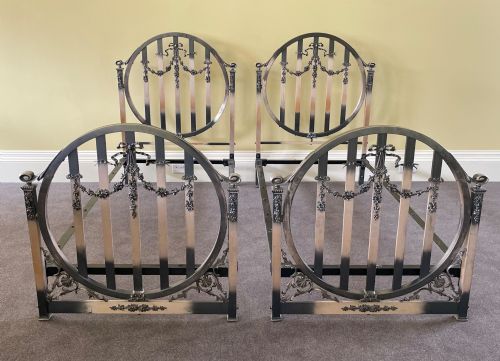
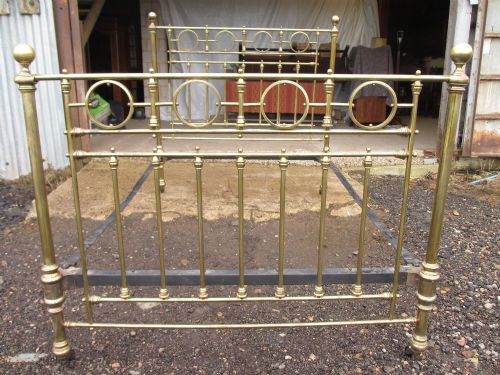
These frames rely on heavy cast iron and wrought iron for their structural integrity, often paired with bright brass tubing, finials, and mounts. Makers utilised nickel plating and applied paint finishes, such as ivory or black, to achieve specific visual effects on the metal surfaces.
Many historical examples incorporate slot-in frame construction supported by castors, allowing the large iron and brass components to be dismantled and reassembled. Ceramic details frequently appear alongside metalwork to accent joints and decorative junctions.
Listings feature pieces from the Victorian and Edwardian periods, utilising cast iron, wrought iron, brass, nickel plating, and ceramic.
Assessing Build Quality
The distinction between standard utility frames and exhibition pieces lies in the complexity of the iron casting and the weight of the brass used in the construction. Ornate curly ironwork, tapered posts, and sophisticated moulding demonstrate higher standards of nineteenth-century foundry craftsmanship.
Makers known for exceptional output integrate superior metal finishes and substantial brass detailing that retain their structural integrity and visual appeal through decades of daily use.
Maple & Co.·R W Winfield
The Cast Iron Headboard Frame Glossary
- Bedstead
- A framework of a bed upon which the mattress is supported. This term frequently encompasses the complete headboard, footboard, and side rails seen in nineteenth-century sleeping furniture.
- Half Tester
- A type of bedstead featuring a partial canopy extending only partway over the head of the bed. It combines iron or brass framing with drapery support.
- Dip Rail
- A horizontal top rail on a bed headboard or footboard that curves downward toward the centre. This profile is characteristic of many Edwardian and late Victorian designs.
- Castor
- A small wheel mounted on a swivel attached to the base of bed posts. These components allowed heavy iron and brass bedsteads to be moved across floor surfaces.
Cast Iron Headboard Frame: Frequently Asked Questions
What periods do these bed frames come from?
The listings span the Victorian and Edwardian eras, with production dates concentrated between 1860 and 1900. You will also find pieces identified by specific decades such as the 1870s and 1880s.
These dates reflect the height of British and French metal bed manufacturing, when iron foundries produced sturdy frames featuring decorative brass and painted finishes.
Can these antique frames fit modern mattresses?
Many nineteenth-century frames accommodate standard modern sizes like double, king, and super king, though historical dimensions can vary slightly from contemporary standards.
Checking the exact width and length measurements provided in each listing ensures compatibility with standard modern mattress sizes and modern slat systems.
How do iron and brass beds assemble?
Most period frames utilise slot-in joints where the side rails wedge securely into sockets cast directly into the headboard and footboard posts.
This wedge-lock design allows the heavy iron and brass components to lock firmly together under the weight of the mattress without requiring complex modern hardware.