


Cast Bronze Orientalist Figure
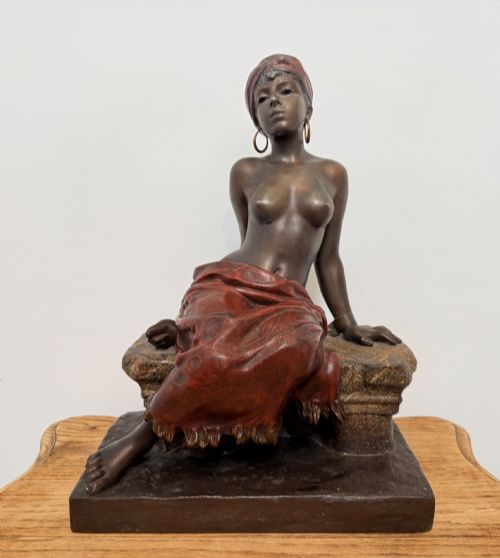
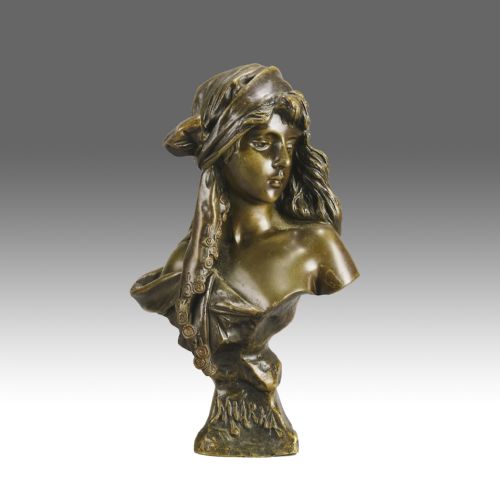
A cast bronze orientalist figure captures the fascination with North African and Middle Eastern subjects through detailed metalwork.
Cast Bronze Orientalist Figure
When you search for a cast bronze orientalist figure, you encounter sculptural works depicting North African, Middle Eastern, and Asian subjects produced primarily during the nineteenth and early twentieth centuries. These pieces encompass free-standing sculptures, busts, and functional objects such as candlesticks, match strikers, and mantel clocks.
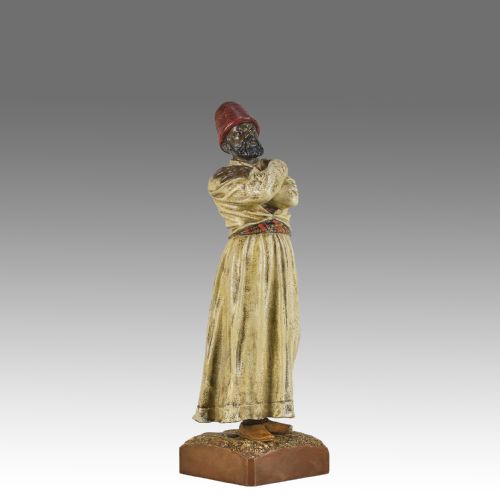
The objects on this page span several stylistic movements, most notably nineteenth-century Orientalism, Art Nouveau, Art Deco, and Japonisme. You will find figures ranging from dervishes and merchants to snake charmers, all rendered in cast metal.
Originating predominantly from European workshops, these figures reflect the artistic tastes of their period through depictions of exotic figures and narrative scenes. The selection includes cabinet bronzes alongside larger statuary and decorative accessories.
Materials and technique
Other works incorporate polychrome paint or enamel to highlight garments and accessories, whilst bases frequently utilise contrasting materials such as marble. Spelter appears as an alternative cast metal in certain decorative items.
Foundries employed traditional casting methods to capture fine details in hair, costume, and ornament, followed by hand-finishing and chasing by the sculptor or workshop assistants.
A dervish spins forever in cold-painted bronze, reminding collectors that nineteenth-century sculptors captured motion as successfully as stillness.
What separates the fine from the ordinary
The application of surface colour distinguishes better pieces, particularly in cold-painted or polychromed works where the preservation of original pigment dictates visual appeal. The choice of base material and the weight of the cast further separate standard decorative items from masterworks.
Emmanuel Villanis·Franz Bergman·Alfred Dubucand·Georges-Charles Coudray·Arthur Waagen·Charles Arthur Bourgeois·Pierre Jules Mène
The Cast Bronze Orientalist Figure Glossary
- Orientalist
- Pertaining to the artistic movement that depicted subjects from the Middle East and North Africa. This style dominated European sculpture and painting throughout the nineteenth century.
- Cold-painted bronze
- A technique where bronze figures were painted with cold enamel paints that were not fired in a kiln. This method produced vibrant surface colour on garments and turbans.
- Spelter
- An alloy of zinc and lead or copper used as a less expensive substitute for bronze. It appears frequently in decorative mantle items and match strikers.
- Patinated bronze
- Metal treated with chemical solutions to produce a specific surface colour or aged finish. Dark brown and greenish patinas are typical of nineteenth-century foundry work.
- Japonisme
- The influence of Japanese art on European design, emerging strongly in the late nineteenth century. It appears in sculptures depicting Japanese figures and attire.
Cast Bronze Orientalist Figure: Frequently Asked Questions
How do I clean a bronze sculpture?
Dust the surface gently with a soft, dry brush to prevent the accumulation of grit in the crevices. Avoid using water, soap, or chemical polishes, which can strip the historic patina.
Apply a microcrystalline wax very sparingly if the metal requires protection against moisture. Buff lightly with a clean cloth after application to maintain a stable finish.
What is a cold-painted bronze?
A cold-painted bronze is a metal sculpture decorated with enamel paints applied without kiln firing. This technique was favored by Viennese workshops to render colourful costumes on figures.
Because the paint sits on the metal surface rather than fusing with it, these pieces require careful handling to prevent flaking. Original paint surfaces are a significant factor in the piece's integrity.
How do I distinguish bronze from spelter?
Bronze is a heavy alloy of copper and tin that feels dense and cool to the touch. Spelter is a softer, zinc-based alloy that is lighter in weight and more brittle.
Examining the underside or an unpainted area often reveals the paler, greyish metal beneath a spelter casting. Bronze retains a warm reddish or golden hue where the patina has worn.
Where were these sculptures made?
The majority of these figures were produced in European artistic centres such as Paris and Vienna during the nineteenth and early twentieth centuries. Foundries utilised skilled artisans to cast and finish the models created by prominent sculptors.
These pieces were created to satisfy a European domestic market fascinated by foreign cultures and travel. They adorned nineteenth-century drawing rooms, studies, and mantelpieces.