






Cast Bronze Lion Statues
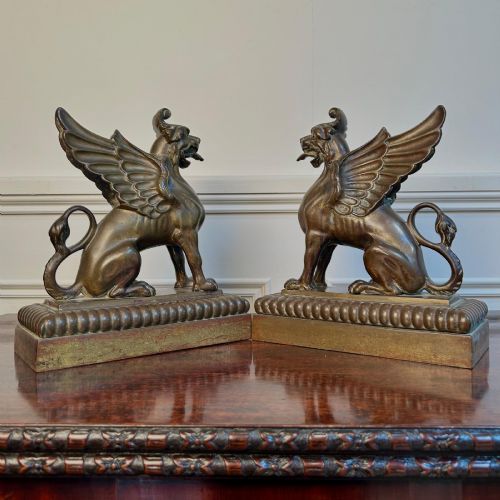
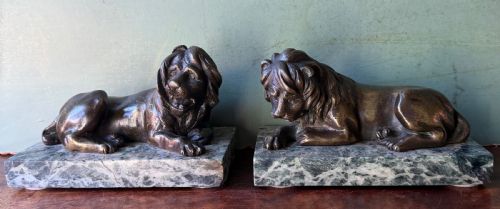
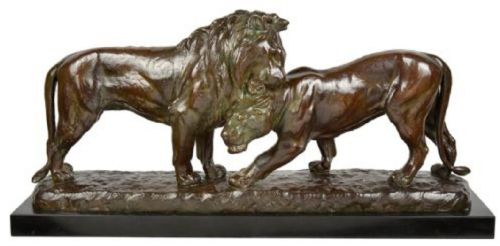
Cast bronze lion statues bring presence and authority to a room, ranging from grand Regency pairs to detailed animalier studies.
Cast Bronze Lion Statues
Cast bronze lion statues span the nineteenth century and the early twentieth century, taking forms from fierce guards to calm seated pairs. When searching for cast bronze lion statues, buyers encounter domestic mantel pieces, heavy temple guardians, and grand desk sculptures.
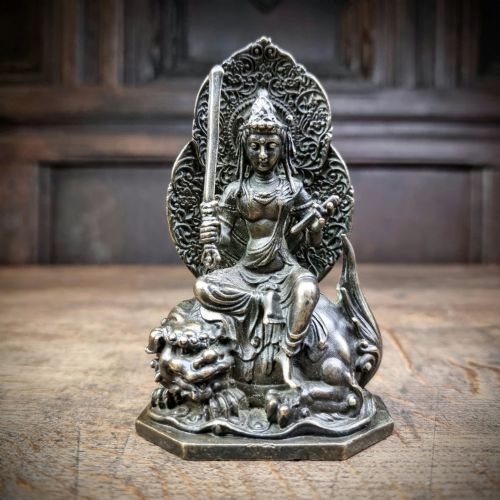
The selection here includes pieces from the Regency period, the Victorian era, and Asian traditions such as Tibetan Buddhist art. French animalier bronzes sit alongside Austrian cold painted works and Qing dynasty figures.
Makers and foundries represented include Barbedienne, alongside individual sculptors such as G. Gardet, Louis Riche, and Al Barye. Materials extend from solid patinated bronze to gilt bronze and antico verde marble bases.
How they were made
Foundries utilised the lost wax casting method to capture fine detail in the fur, muscle structure, and facial expressions of the animals. Metal was poured into moulds and subsequently finished with chisels and files to sharpen the contours.
Patination was applied to the surface of the bronze, producing dark brown, black, or greenish tones that aged the metal over time. Some pieces incorporate cold painted colour or gilding applied directly to the bronze surface.
Mounts and bases often utilise antico verde marble or timber, providing a heavy and stable foundation for the substantial weight of the metal figures.
Cast Bronze Lion Statues Retail Price Guide 2026
Typical asking prices for cast bronze lion statues among the pieces listed under this phrase on Sellingantiques today, from the lower quarter to the upper quarter. They describe what is for sale here now, not the wider market.
What varies in quality
The quality of the material and the depth of the patination influence the character of the sculpture, with rich multi-layered patinas showing greater age and wear. Original marble bases and matched pairs command stronger presence than single figures or later replacements.
G. Gardet·Louis Riche·Al Barye·Barbedienne
The Cast Bronze Lion Statues Glossary
- Animalier
- A nineteenth-century artistic movement dedicated to the realistic depiction of animals. Sculptors in this style studied live subjects in menageries to capture accurate anatomy.
- Patina
- The surface coloration and sheen developed naturally over time or applied chemically by the foundry. This finish protects the metal and adds visual depth.
- Lost wax casting
- A method of metal casting in which a molten metal is poured into a mould that has been created by means of a wax model. The wax is melted and drained away.
- Grand Tour
- A cultural journey of Europe undertaken by wealthy young men in the eighteenth and nineteenth centuries. Travellers often brought home small bronzes and sculptures as souvenirs.
- Foo dogs
- Traditional Chinese and Tibetan guardian lions placed outside temples and palaces to ward off evil spirits. These figures frequently appear in pairs with one male and one female.
Cast Bronze Lion Statues: Frequently Asked Questions
How do I clean bronze lion statues?
Dust the surface regularly with a soft, dry brush to prevent the buildup of dirt in the crevices. Avoid using chemical cleaners or water, which can strip the original patina.
Apply a very thin layer of microcrystalline wax occasionally if the metal appears dry, then buff gently with a clean cloth to maintain the protective coating.
Are these bronze lions solid metal?
Most nineteenth-century figures are cast using the lost wax method, which can result in either solid bronze or hollow castings depending on the size and foundry practice. Large temple lions and heavy sculptures contain substantial metal weight.
Alternative materials sometimes appear in the listings, including bronzed plaster or mixed metal alloys, so checking the specific material description is essential.
Where were these lion sculptures placed?
Smaller animalier studies and pairs usually decorated nineteenth-century libraries, studies, and drawing rooms as mantelpiece ornaments or desk accessories. Larger pairs often served as exterior gate guards or interior temple guardians.
Grand Tour bronzes were designed to sit on classical pedestals or furniture tops within elite European residences.
How do I identify the period of a bronze lion?
Examine the style of the casting, the depth and colour of the patina, and any foundry marks or signatures inscribed on the base. Regency pieces often feature specific classical proportions and antico verde marble mounts.
Nineteenth-century animalier works display realistic anatomical study, while Tibetan temple lions show distinct regional iconography and casting techniques from the period.