



19th Century Desktop Ornaments
These 19th century desktop ornaments bring tangible history to a modern workspace through bronze, iron and marble.
19th Century Desktop Ornaments
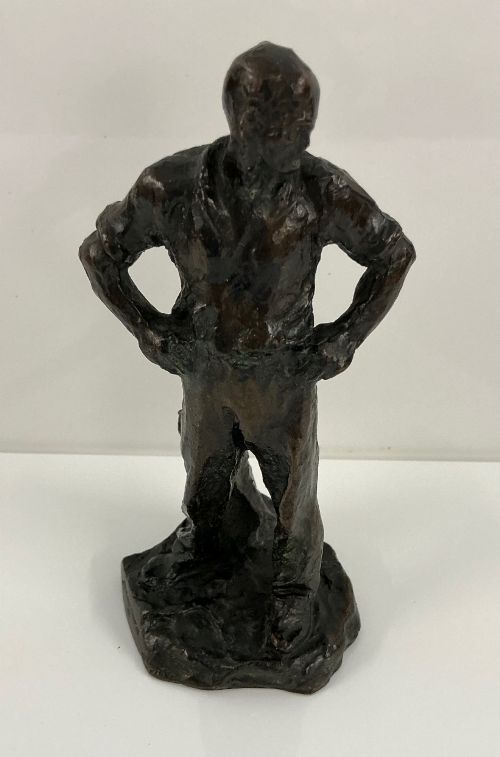
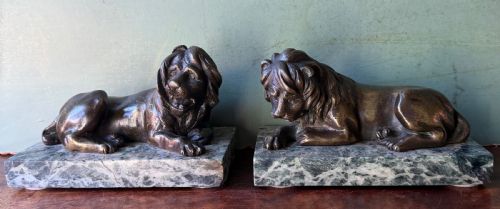
19th century desktop ornaments comprise sculptures, models and busts designed for desks and writing tables. They range from Regency period bronze lions on marble bases to Victorian brass ornamental cannons and detailed animal studies.
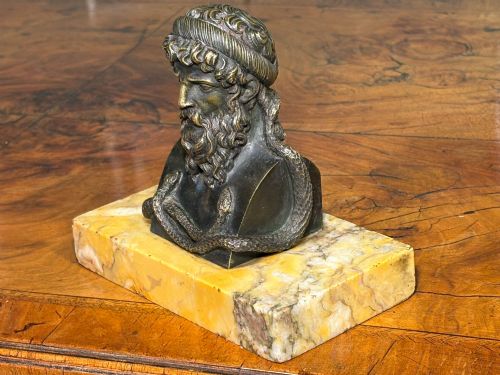
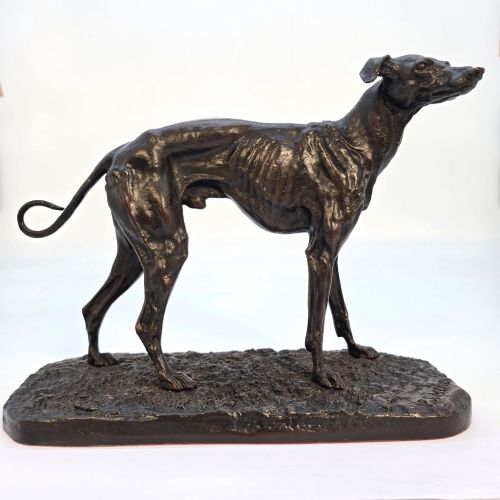
The versions most commonly met on this page include animalier bronze figures, classical portrait busts and miniature scale models of artillery pieces. Makers utilised various materials to give these decorative objects weight and presence suitable for an official desk.
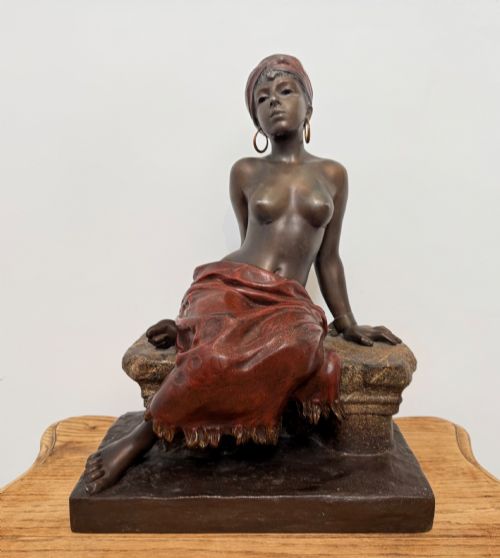
The assortment spans diverse aesthetics from Neoclassical and Animalier to Art Nouveau and Orientalist. These items reflect the Victorian and Edwardian taste for decorative yet functional desk accessories that doubled as conversation pieces.
How they were made
Foundries produced the metallic elements using bronze, cast iron and brass, often employing traditional casting methods to capture fine anatomical and architectural details. Patination was carefully applied to metals to achieve rich dark tones or aged surfaces.
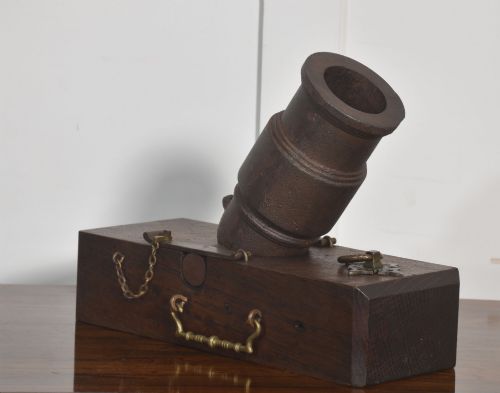
Marble bases in antico verde and siena varieties provided stable, contrasting plinths for bronze figures and busts. Wooden elements such as oak carriages were shaped and fitted to metal components like signal mortars and field guns.
19th Century Desktop Ornaments Retail Price Guide 2026
Typical asking prices for 19th century desktop ornaments among the pieces listed under this phrase on Sellingantiques today, from the lower quarter to the upper quarter. They describe what is for sale here now, not the wider market.
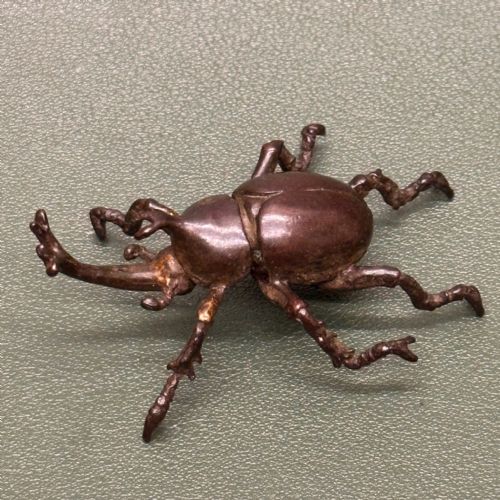
The object forms on this page span animalier sculptures, portrait busts, artillery scale models and Japanese bronze rhinoceros beetles.
What varies in quality
The fidelity of the casting distinguishes superior works from standard pieces, as finer bronzes retain crisp musculature, facial expressions and feather or fur textures without softness. Master founders and named sculptors achieved a level of definition that lesser workshop copies lack.
Material selection and base preparation also signal quality, seen in the choice of dense decorative marbles like antico verde and the precise fitting of metal components to timber carriages. Surface patination applied with depth and variation elevates an ornamental piece far above plain uniformly sprayed or painted metals.
P. J. Mène·Jules Dalou·Ernest-Eugène Hiolle·Leonhard Posch·Jules Moigniez
The 19th Century Desktop Ornaments Glossary
- Animalier
- A nineteenth-century artistic movement focusing on the realistic depiction of animals, particularly lions, dogs and stags. Sculptors in this tradition studied anatomy closely.
- Grand Tour
- A cultural journey undertaken by wealthy young Europeans that inspired the acquisition of small classical bronzes and busts. These souvenir sculptures often depicted mythological figures like Zeus.
- Patinated bronze
- Bronze that has been chemically treated to alter its surface colour, creating deeper brown, green or near-black tones. This process enhances highlights and protects the metal.
- Antico verde marble
- A striking dark green antique marble variety quarried in Greece and Italy. It frequently forms the plinths for Regency and Victorian cabinet bronzes.
- Signal mortar
- A small cannon-like ordnance piece used historically to fire blank charges for signaling or celebration. Miniature desk versions replicate these heavy iron and brass designs on wooden carriages.
19th Century Desktop Ornaments: Frequently Asked Questions
What were 19th century desktop ornaments used for?
These pieces served primarily as decorative status symbols and conversation pieces on executive desks, libraries and writing tables. Gentlemen and scholars used them to personalise their workspaces while displaying refined artistic taste.
Some items, such as miniature field guns and signal mortars, also reflected contemporary military interests and technological fascination during the Victorian era.
How do I identify a Regency period piece?
Regency items typically display strong Neoclassical influences, featuring clean classical lines, mythological subjects and specific mounting styles. You will often find heavy bronze figures supported on distinctive coloured marble bases such as antico verde.
Proportions on these earlier works tend to follow strict classical canons of symmetry and restraint before the more flamboyant Victorian and animalier styles emerged.
Are these bronze ornaments solid metal?
Many nineteenth-century figural sculptures and animal studies were cast using the lost-wax method, which could produce either solid bronze or hollow castings depending on the size of the piece. Hollow casting helped reduce weight for desk placement while maintaining structural rigidity.
Heavier elements like marble bases and cast-iron carriages were deliberately utilised to keep smaller ornaments stable when placed on wooden writing desks.
How do I care for antique bronze and marble?
Bronze pieces require only gentle dusting with a soft, dry brush to prevent the accumulation of grit in recessed details. Avoid using liquid polishes or abrasive cloths that can strip the original patination.
Marble bases should be wiped gently with a damp cloth and dried immediately. Keep these objects away from direct heat sources and strong sunlight to protect both wood and metal finishes.