




Antique Lion Paperweight
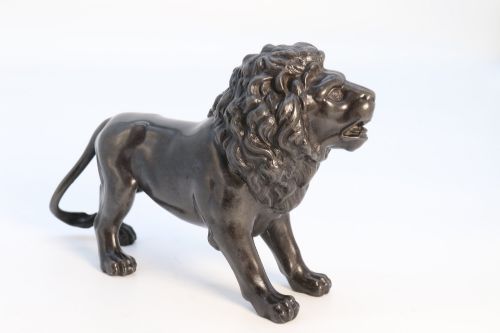
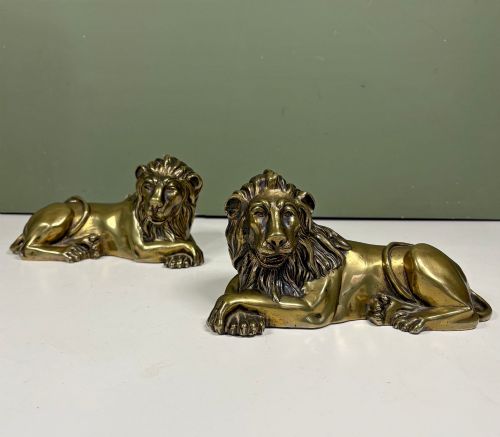
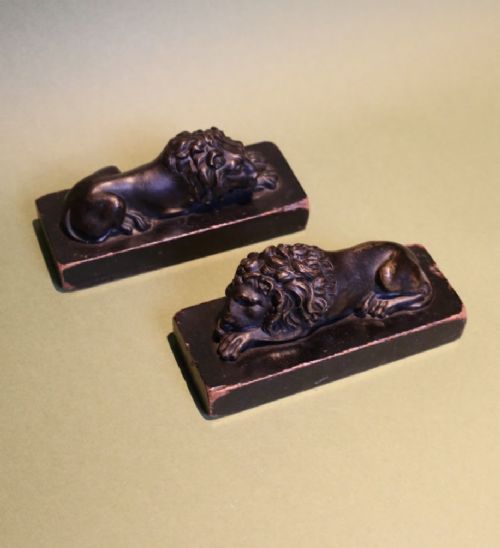
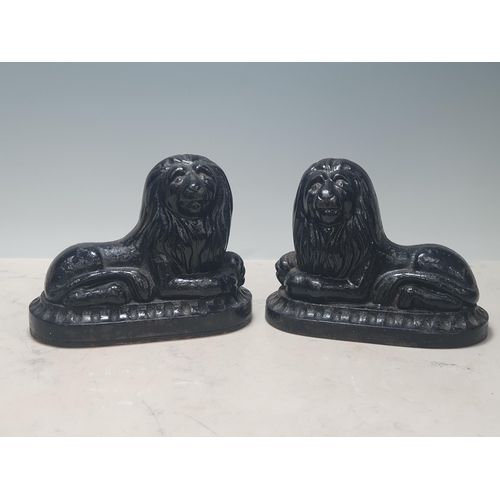
These antique lion paperweight pieces bring muscular presence to a desk, cast in weighty bronze, brass, or pewter.
Antique Lion Paperweight
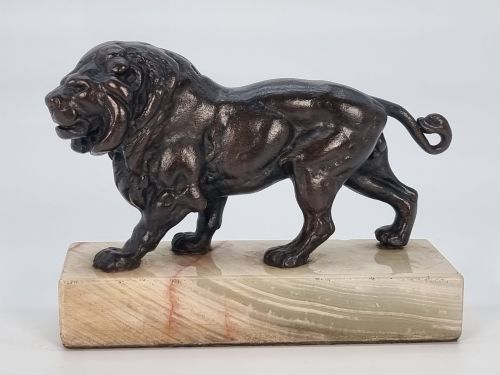
An antique lion paperweight combines domestic desk utility with sculptural feline form, appearing across periods from the seventeenth century to the twentieth. You will frequently encounter nineteenth-century bronzes, brass figures, and occasional marble or onyx mounted studies on this page.
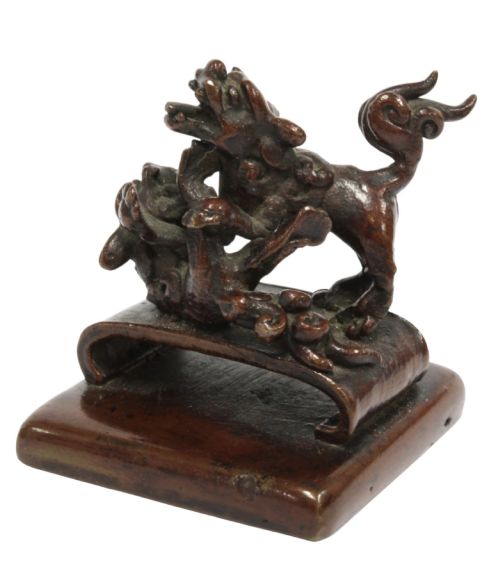
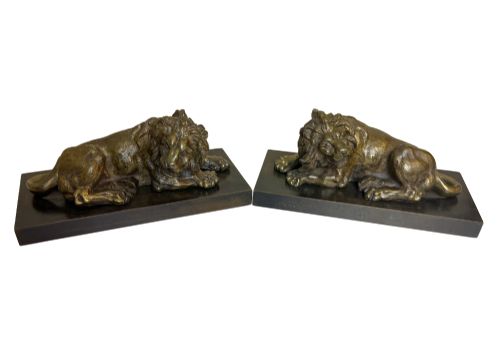
The selections range from small English patriotic desk mascots to French Grand Tour fountain heads and Animalier resting beasts. Chinese scholar seals and Foo Dog figures also join the lineup alongside neoclassical winged lions.
How they were made
Foundry workers utilised traditional lost-wax or sand-casting techniques to shape molten bronze, brass, and iron into powerful feline anatomies. Many pieces received hand-chased surface details after casting, while others gained colour through cold-painted finishes or black paint.
Mounts play an integral structural role, pairing heavy metal casts with bases of polished onyx, marble, or stone to anchor the weight on a desk.
Materials span traditional bronze, brass, and pewter alongside marble, onyx, and cold-painted finishes.
What varies in quality
Quality rests in the anatomical articulation of the beast, where superior casts capture tension in muscle and paw rather than smoothing over form. The sharpness of the chasing separates standard production from exceptional foundry work.
Material substance dictates presence, moving from hollow cast iron and plated metal up to dense, tactile bronze paired with genuine stone bases.
Franz Bergman·Al Barye·Barbedienne
The Antique Lion Paperweight Glossary
- Animalier
- A nineteenth-century artistic focus on realistic depictions of animals. This style prioritises accurate musculature and naturalistic behaviour over romanticised forms.
- Grand Tour
- A traditional trip through Europe undertaken by upper-class scholars and collectors. Souvenirs bought along the way included miniature bronze monuments and classical sculptures.
- Cold-painted bronze
- A technique where paint is applied to a cold bronze surface rather than fired in a kiln. This method demands careful touch-up over time to preserve the pigment.
- Shishi
- A traditional Chinese guardian lion or Foo Dog symbolising protection and power. These creatures often appear seated with one paw resting on a brocade ball.
- Neoclassical
- A style reviving classical Greek and Roman motifs. Pieces in this tradition lean towards formal symmetry, heroic posture, and architectural dignity.
Antique Lion Paperweight: Frequently Asked Questions
How do I date a bronze lion?
Dating relies on examining the foundry marks, base materials, and the style of the casting. Patination and wear patterns also indicate age.
Earlier pieces often show hand-chased surface work and heavier patinas built up over decades of handling.
Are these figures actually paperweights?
Many items serve multiple purposes as desk seals, mascots, inkwell lids, or small desk sculptures. Their heavy metal construction naturally suits holding down loose papers.
Even decorative animal studies found their way onto writing tables to serve functional roles.
What is an Animalier lion?
An Animalier lion is a nineteenth-century sculpture focused strictly on realistic animal anatomy. Artists observed real beasts in menageries to capture authentic movement.
These pieces reject stiff convention in favour of tense muscles and prowling postures.
How should I clean a bronze lion?
Dust the surface gently with a soft dry brush to remove particles without harming the patina. Avoid commercial metal polishes that strip away historical surface colouring.
Applying a microcrystalline wax occasionally helps protect exposed metal from moisture.