



Cast Bronze Jardiniere
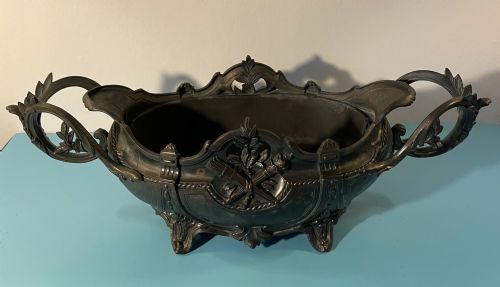
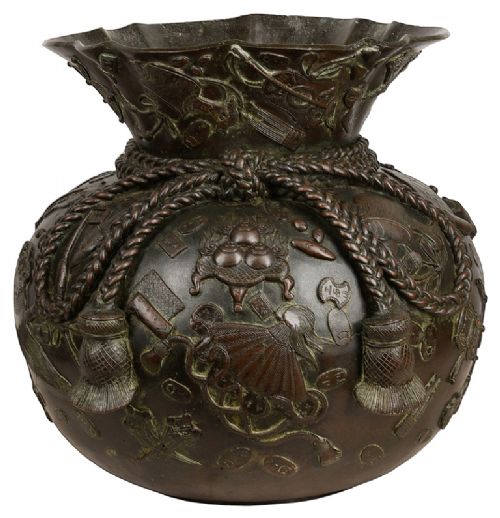
These cast bronze jardiniere vessels are heavy decorative planters designed to hold large interior plants, bringing classical form and rich metalwork into a room.
Cast Bronze Jardiniere
A cast bronze jardiniere is a substantial plant container designed for interior display, frequently found in forms dating from the nineteenth century. Buyers searching this phrase encounter heavy metal planters and decorative vessels originating from European workshops and Asian periods such as the Edo and Meiji eras.
The objects take various shapes, ranging from deep bowls and centrepieces to large ornamental planters and vases. Pieces from this selection span French Revival aesthetics alongside Japanese and Chinese traditions, reflecting global tastes in nineteenth-century interior decoration.
Materials and construction
The primary construction relies on metal casting, predominantly using bronze alongside related cast metals such as brass, spelter, and cast iron. Foundries poured molten metal into moulds to achieve thick-walled vessels capable of holding earth and moisture.
Surface finishing involved manual chasing, patination, and sometimes applied decorative motifs or handles. Makers utilised these foundational techniques to create both European revivalist designs and intricate Oriental vessels.
Cast Bronze Jardiniere Retail Price Guide 2026
Typical asking prices for cast bronze jardiniere among the pieces listed under this phrase on Sellingantiques today, from the lower quarter to the upper quarter. They describe what is for sale here now, not the wider market.
Listings feature items spanning the 19th century, including specific dates such as 1850, 1860, and 1880, alongside Victorian, Edo, Meiji, and Qing periods.
Assessing quality and craftsmanship
Quality in these vessels rests upon the crispness of the cast and the depth of the metalwork. Finer examples display sharp relief, carefully finished surfaces, and substantial weight without crude mould seams.
The distinction between standard production and superior work lies in the refinement of decorative details and the integrity of the cast metal. Superior pieces maintain structural balance and harmonious proportions across the body and base.
The Cast Bronze Jardiniere Glossary
- Jardiniere
- An ornamental pot or stand for holding plants or flowers. These vessels form the main category of items found in this selection.
- Meiji Period
- A Japanese era lasting from 1868 to 1912. Many bronze planters and decorative vessels on this page date from this significant historical period.
- Edo Period
- A period of Japanese history spanning from 1603 to 1867. Pieces from this era often exhibit traditional artistic techniques and forms.
- Centrepiece
- A central ornament for a table or surface. Several bronze bowls and planters function in this decorative capacity.
- Patina
- A surface sheen or coloration developed through age and chemical treatment. It adds depth and character to antique bronze surfaces.
Cast Bronze Jardiniere: Frequently Asked Questions
How do I care for a bronze jardiniere?
Keep the metal clean with a soft dry cloth and avoid abrasive polishes that can damage the historical surface.
Use a plastic liner inside the vessel if holding live plants to prevent moisture from sitting directly against the antique metal.
Are these planters suitable for outdoor use?
Most of these pieces were created for interior display in nineteenth-century homes rather than exposed garden use.
Weather and frost can damage historic metal surfaces and patination, so indoor placement remains standard.
What is the difference between Japanese and French pieces?
French nineteenth-century pieces often follow classical revival styles with ornate handles and architectural motifs.
Japanese Edo and Meiji period vessels frequently feature organic motifs, textured surfaces, and traditional casting techniques.
How can I tell the period of a jardiniere?
Examine the casting quality, weight, and decorative motifs for alignment with nineteenth-century manufacturing standards.
Associated cultural periods like the Meiji era or Victorian times provide historical context for the design.