



Bronze Bird Planter
A bronze bird planter brings weight and character to a room, uniting intricate Oriental metalwork with practical greenery.
Bronze Bird Planter
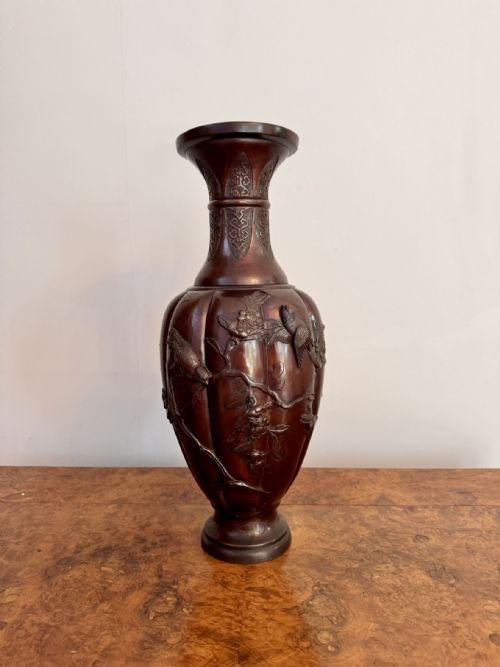
When you search for a bronze bird planter, you encounter heavy Oriental vessels and jardinières fashioned for botanical display. These pieces originate predominantly from the nineteenth century, encompassing the Meiji period, Edo period, and Qing dynasty.
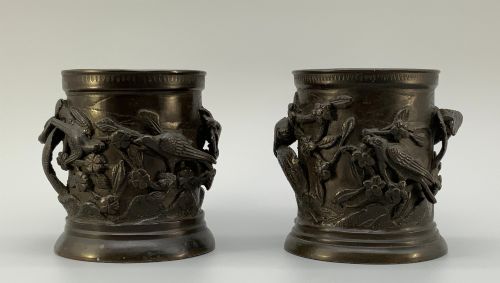
The objects most frequently met on this page take the form of large jardinières, decorative bowls, and urn vases. They display motifs of birds and blossom, cast in solid metal to hold plants or stand alone as decorative vessels.
How they were made
Metalworkers utilised traditional casting techniques in bronze and brass, achieving substantial weights ranging across several kilograms. Molten metal poured into moulds created thick-walled vessels capable of withstanding moisture and soil.
Makers applied chemical treatments to create patinated bronze surfaces, enhancing the visual depth of the metal. Artisans chased and detailed the cast designs by hand, depicting birds, branches, and blossom with striking precision.
Bronze Bird Planter Retail Price Guide 2026
Typical asking prices for bronze bird planter among the pieces listed under this phrase on Sellingantiques today, from the lower quarter to the upper quarter. They describe what is for sale here now, not the wider market.
Materials recorded across the available inventory include standard bronze, patinated bronze, and brass.
What varies in quality
The division between ordinary and exceptional pieces rests upon the crispness of the casting and the depth of the chased detail. Superior examples display sharply rendered plumage and flora that remain distinct across the heavy bronze body.
Scale and heft also separate the finer vessels from simpler items, with larger bowls and jardinières requiring greater metallurgical skill. The richness of the bronze patina further defines the visual merit of each piece.
The Bronze Bird Planter Glossary
- Jardiniere
- An ornamental pot or stand for holding plants or flowers. These large vessels sit on tables or floors to display foliage.
- Patinated Bronze
- Bronze that has undergone a chemical treatment to alter its surface colour. This process creates rich brown or dark tones that protect the metal.
- Edo Period
- A span in Japanese history preceding the Meiji era, running from sixteen oh three to eighteen sixty-seven. Pieces from this time display early traditional casting methods.
- Qing Dynasty
- The last imperial dynasty of China, ruling from sixteen forty-four to nineteen eleven. Heavy decorative bowls from this lineage appear among Oriental metalwork.
Bronze Bird Planter: Frequently Asked Questions
What is a bronze bird planter?
A bronze bird planter is a heavy cast metal vessel adorned with avian and floral motifs, designed to hold plants.
Originating largely from nineteenth-century Japanese and Chinese workshops, these items function as both practical jardinières and sculptural decorative bowls.
How were these metal planters used?
These vessels served primarily as jardinières to house potted plants within domestic interiors, protecting surfaces from moisture.
Collectors also displayed them empty as monumental stem vases or decorative bowls to showcase intricate Oriental metalwork.
How do I identify a Meiji period piece?
Meiji period metalwork typically dates from eighteen sixty-eight to nineteen twelve and exhibits naturalistic motifs like birds and blossom.
These Japanese pieces often feature patinated bronze surfaces and demonstrate exceptional skill in handling fine surface detail.
What materials are these planters made from?
The pieces on this page are constructed from bronze, patinated bronze, and brass, resulting in substantial physical weight.
Manufacturers used these durable metals to ensure the vessels could support soil and water without sustaining structural damage.
How do I care for antique bronze?
Antique bronze requires gentle dusting with a soft, dry cloth to preserve the historical patina on the surface.
Avoid using abrasive metal polishes or harsh chemical cleaners, which can strip away the aged finish and diminish the value.