
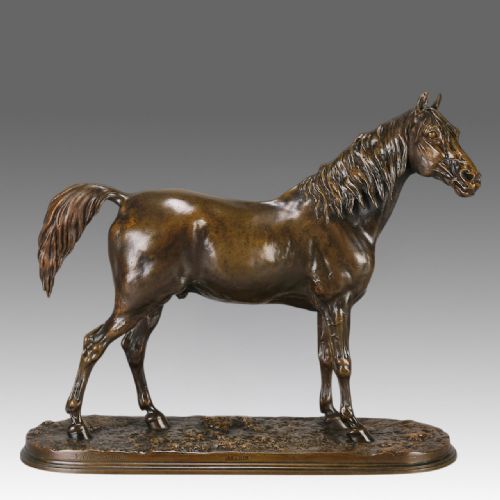
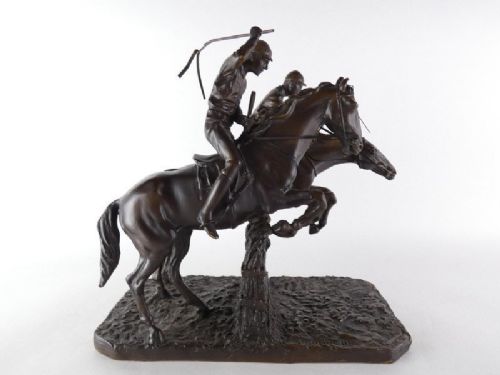


Cast Bronze Horse Statue
A cast bronze horse statue brings the power and movement of the animal into a room through enduring metalwork.
Cast Bronze Horse Statue
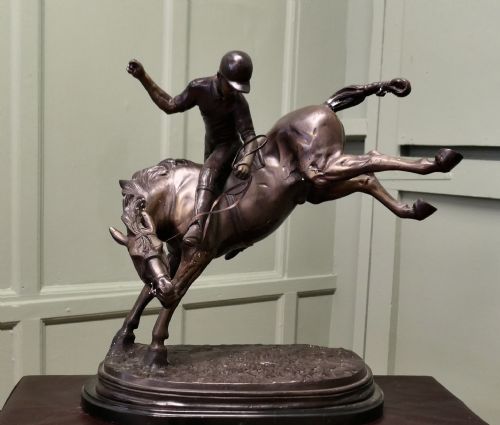
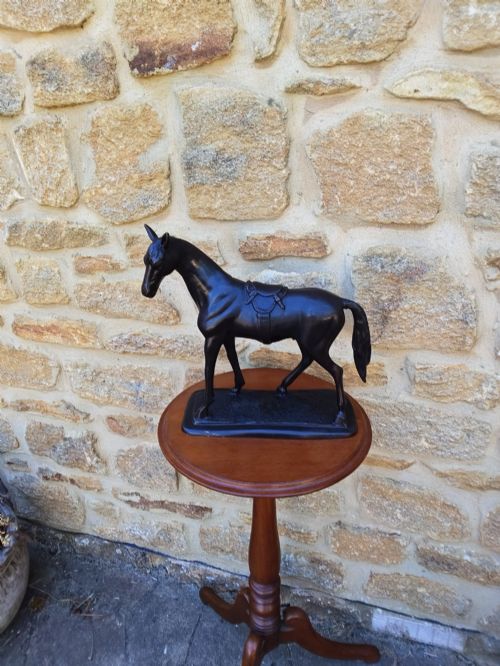
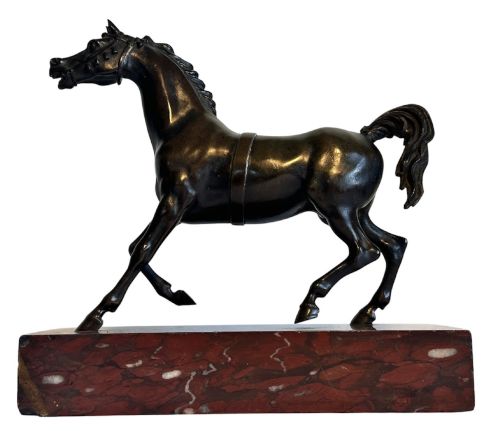
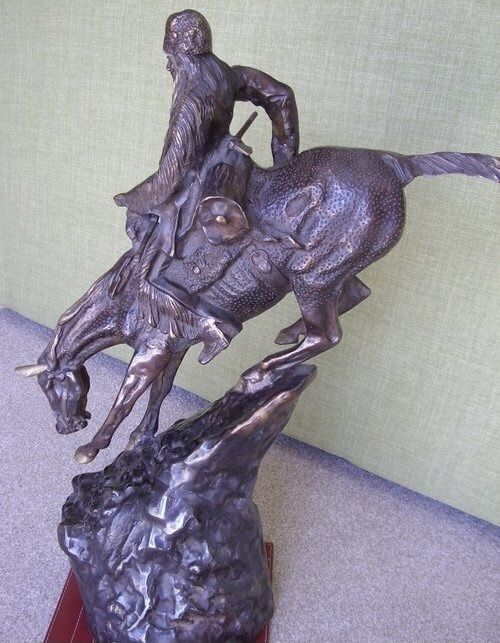
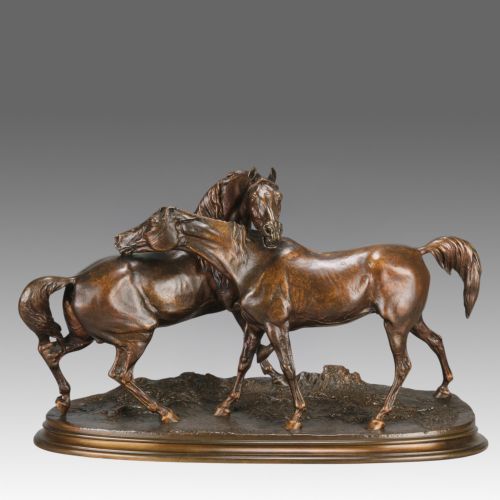
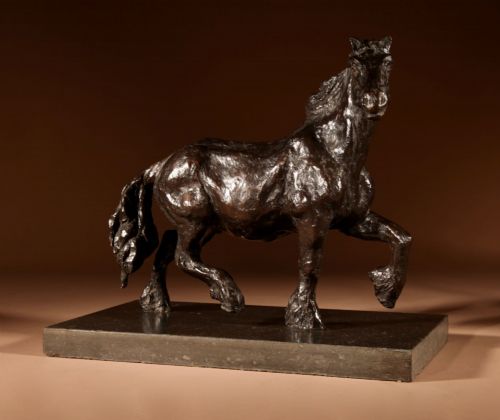
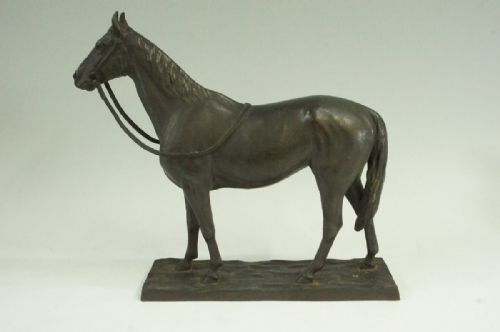
A cast bronze horse statue captures the equine form across various historical periods, ranging from nineteenth-century animalier studies to modernist interpretations. Collectors encounter figures mounted on stone or marble bases, alongside desk accessories and large-scale statues.
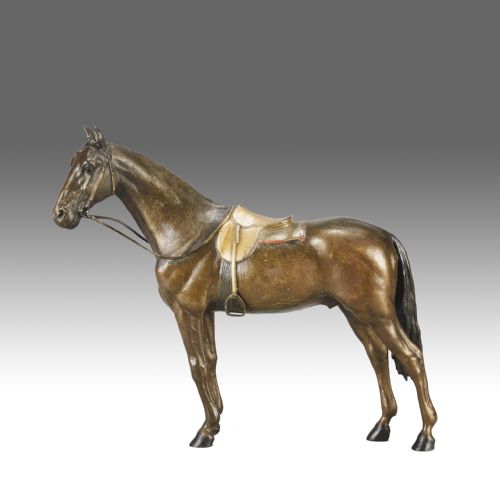
The selections on this page span the Victorian era, the early twentieth century, and the art deco period, reflecting French, Austrian, and Japanese origins. Sculptures depict stallions, polo players, and riders in dynamic motion.
French animalier works and Austrian cold-painted pieces dominate the available range, often drawing inspiration from renowned sculptors of the nineteenth and twentieth centuries.
Materials and casting techniques
Foundries utilised traditional lost-wax casting methods to capture intricate muscle definition and harness details in molten bronze. Skilled artisans then applied patination acids or hand-painted cold-painted pigments onto the metal surface.
Many heavy bronze figures are secured onto bases carved from natural marble, onyx, or stone to provide stability and visual contrast.
Defining factors of craftsmanship
Quality rests in the fidelity of the casting, where crisp anatomical detail and subtle chiselling distinguish a superior model from a softer reproduction. The depth and richness of the applied patina or cold-painted enamel also dictate the piece's visual success.
The quality of the supporting stone base and the presence of clear foundry marks or artist signatures elevate the standing of the sculpture.
P J Mêne·Franz Bergman·Isidore Jules Bonheur·Pierre Jules·Philip Blacker
The Cast Bronze Horse Statue Glossary
- Animalier
- A nineteenth-century artistic movement focused on the realistic depiction of animals. Practitioners specialised in observing anatomical movement in subjects such as horses and hounds.
- Cold-painted bronze
- A technique where oil paints are applied to a cold bronze surface rather than fired in a kiln. This method allows for vivid multi-coloured finishes common in Austrian cabinet bronzes.
- Patina
- The chemical coloration developed on the surface of bronze over time or applied by an artisan. It protects the metal and enhances sculptural depth.
- Lost-wax casting
- A historic metalworking process where a wax model is melted from a mould and replaced with molten bronze. This technique allows for complex forms and fine surface textures.
- Marley horses
- Sculptural representations of rearing horses, originally carved by Guillaume Coustou for Louis XV. These iconic poses frequently inspired later nineteenth-century bronze casters.
Cast Bronze Horse Statue: Frequently Asked Questions
How do I date a bronze horse?
Dating relies on the style of the base, the composition of the metal, and the nature of the patina or paintwork. Victorian and early twentieth-century pieces often display specific foundry marks and cast numbers.
Examining the mounting screws and the wear on the underside provides further clues to the age of the sculpture.
What is cold-painted bronze?
Cold-painted bronze refers to metal sculptures finished with oil-based paints applied without heat firing. This technique gained popularity in Austrian workshops during the late nineteenth and early twentieth centuries.
The paints are delicate and require careful handling to preserve their original vibrance.
Where should I display a heavy bronze?
Due to the substantial weight of bronze and marble bases, these statues require sturdy furniture such as sideboards, desks, or dedicated pedestals. Ensuring the surface is level protects both the heavy sculpture and the furniture.
Positioning the piece away from direct heat sources prevents potential damage to the patina.
How do I clean an antique bronze?
Maintenance involves gentle dusting with a soft, dry cloth to remove particles without disturbing the underlying patina. Avoid chemical polishes or water, which can strip historic surface treatments from the metal.
Professional conservation is recommended for any deeper restoration work.