


Metal Horse Sculpture
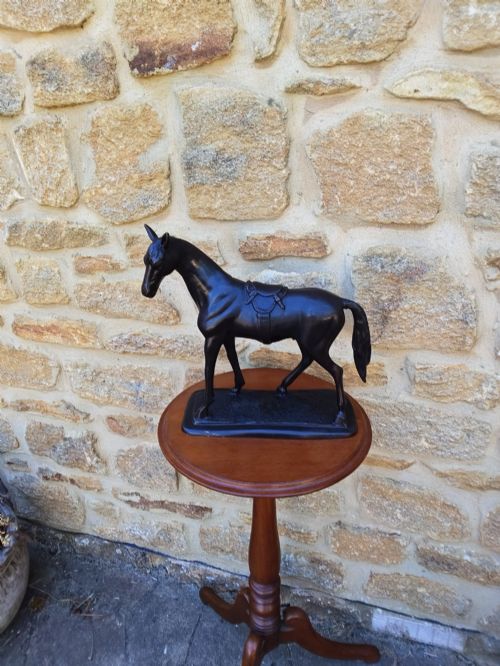
A metal horse sculpture brings powerful equine form into a room, capturing motion and strength through enduring materials.
Metal Horse Sculpture
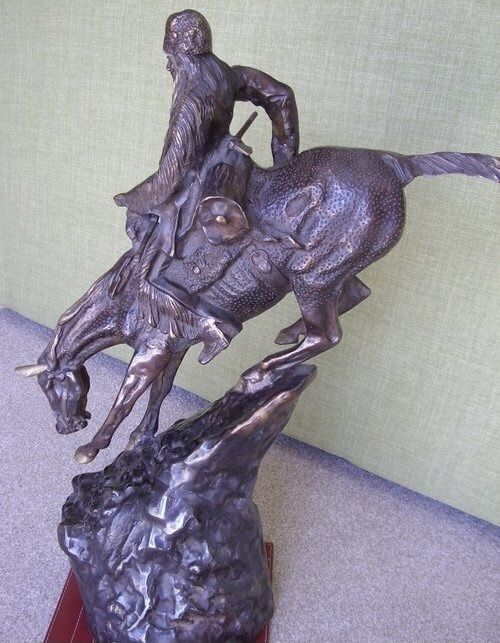
A metal horse sculpture represents the enduring fascination with equine form across centuries of decorative arts and sculpture. When browsing this selection, buyers encounter everything from monumental life-size animals to modest desk accessories and functional items.
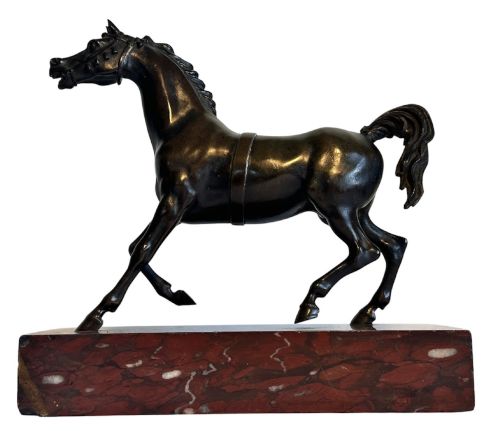
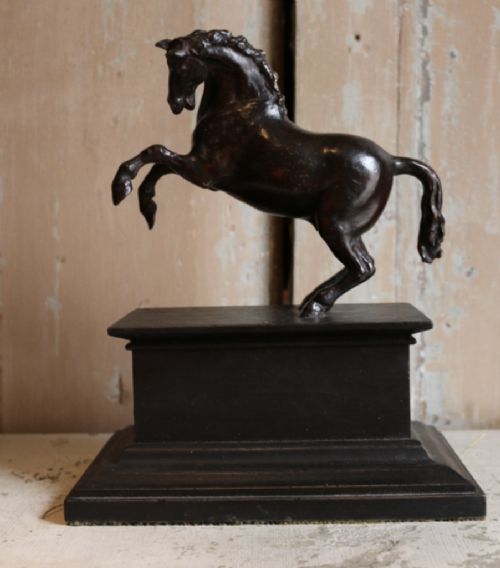
The assortment spans diverse historical periods, including seventeenth-century rearing figures, nineteenth-century Grand Tour bronzes, and twentieth-century Art Deco interpretations. Forms range from freestanding bronze stallions and cast brass doorstops to copper weather vanes and sheet metal wall art.
Origins vary widely across these pieces, encompassing English brasswork, French foundry casts, Italian gilt bronze mounts, and American folk art sheet metal. This breadth allows collectors to find examples that suit both formal period interiors and eclectic modern spaces.
Materials and construction methods
Foundries primarily utilised bronze and brass for sculptural castings, often mounting finished pieces on marble or olive wood bases for stability and contrast. Many nineteenth and twentieth-century examples employ traditional lost-wax casting methods to capture fine anatomical details in the muscles and mane.
Alternative methods appear in folk and utilitarian objects, such as copper weather vanes and sheet iron silhouettes fashioned for exterior use. Gilding, silver plating, and patination treatments were frequently applied to metal surfaces to enhance texture and protect against oxidation.
The selection spans multiple centuries of production, ranging from seventeenth-century equestrian figures to mid-twentieth-century vintage statues and table lighters.
Distinguishing quality in equine metalwork
Superior quality rests in the anatomical accuracy of the modeling and the crispness of the subsequent chasing work on the metal surface. Master sculptors and skilled founders achieved a convincing sense of tension and movement, whereas lesser pieces appear stiff and formulaic.
The depth and richness of the patina significantly influence the character of a bronze or brass casting, developing naturally through age or through deliberate chemical application. Furthermore, the quality of associated materials, such as veined marble plinths or turned olive wood bases, reflects the overall ambition of the piece.
The Metal Horse Sculpture Glossary
- Animalier
- A nineteenth-century artistic movement dedicated to the realistic portrayal of animals, particularly horses and big cats. Practitioners focused on capturing naturalistic movement and musculature.
- Grand Tour
- Cultural travel undertaken by wealthy Europeans in the eighteenth and nineteenth centuries, acquiring smaller bronze sculptures and architectural models as souvenirs. These pieces often reproduced classical antiquities.
- Lost-wax casting
- A metalworking process where a molten metal is poured into a mould that has been created by means of a wax model. Once the wax is melted and drained away, the metal fills the resulting cavity.
- Patina
- A thin layer that naturally or artificially forms on the surface of bronze, copper, and related metals through oxidation. It adds depth of colour and protects the underlying material.
- Weather vane
- An outdoor instrument placed on roofs to show the direction of the wind, frequently fashioned from copper or sheet metal in the form of a galloping horse.
Metal Horse Sculpture: Frequently Asked Questions
How do I clean a bronze horse sculpture?
Dust the surface regularly with a soft, dry cloth to prevent particulate buildup.
Avoid using harsh chemical polishes or water, which can strip away the historical patina and damage the metal.
Where should I place a heavy bronze statue?
Position heavier pieces on sturdy, level furniture such as sideboards, heavy timber desks, or dedicated stone plinths.
Ensure the supporting surface can adequately bear the combined weight of the metal and its marble or wood base.
Are brass doorstops suitable for everyday use?
Cast brass doorstops were originally designed for practical utility and remain robust enough to hold interior doors open.
Over time, daily handling will impart a bright friction shine to high points while the recessed areas retain their darker tone.
How can I distinguish a nineteenth-century casting?
Examine the underside and mounting points for signs of hand-chasing, period fastening screws, and natural metal oxidation.
Nineteenth-century bronzes typically display heavier weight, denser patination, and greater anatomical definition than modern reproductions.
What is the difference between a bronze and a brass horse?
Bronze is an alloy primarily composed of copper and tin, prized for its tensile strength and ability to hold deep patination.
Brass is an alloy of copper and zinc, generally exhibiting a brighter, more golden hue and commonly utilised for functional items like doorstops.