












Life Size Sculptures
Life size sculptures stand at human scale, bringing presence and architectural drama to interior and garden spaces alike.
Life Size Sculptures
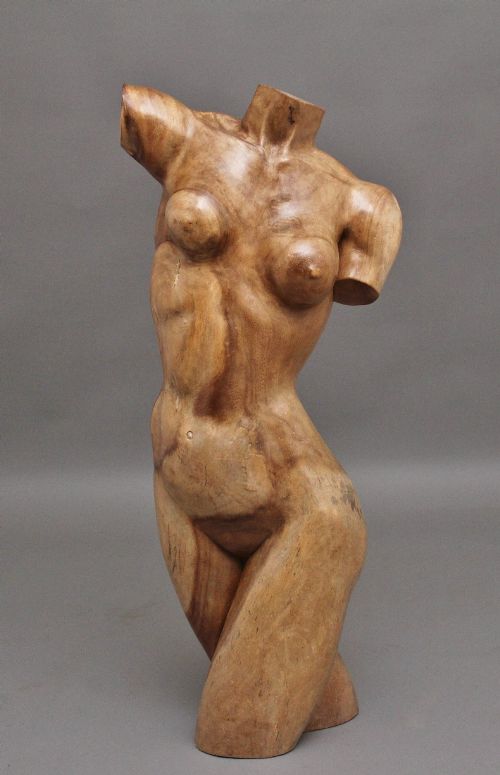
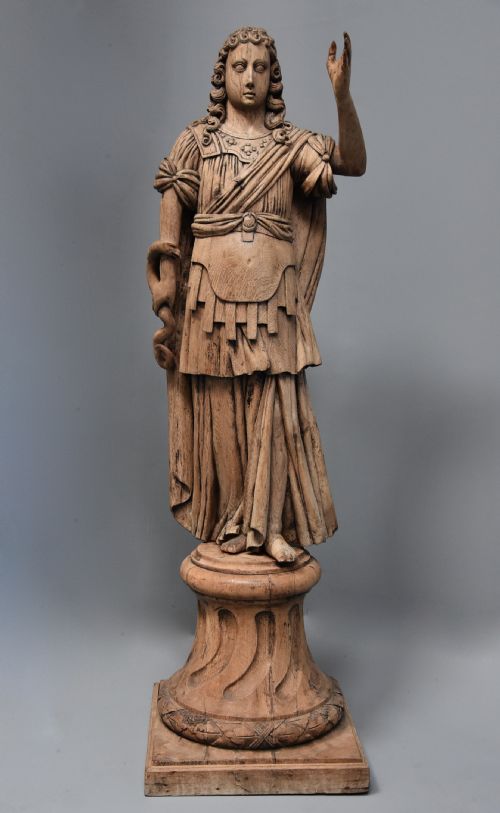
Life size sculptures encompass monumental busts, human figures, and animal subjects created at true scale across several centuries. When exploring life size sculptures, collectors encounter figures ranging from eighteenth-century continental wood carvings to twentieth-century bronzes and garden statuary.
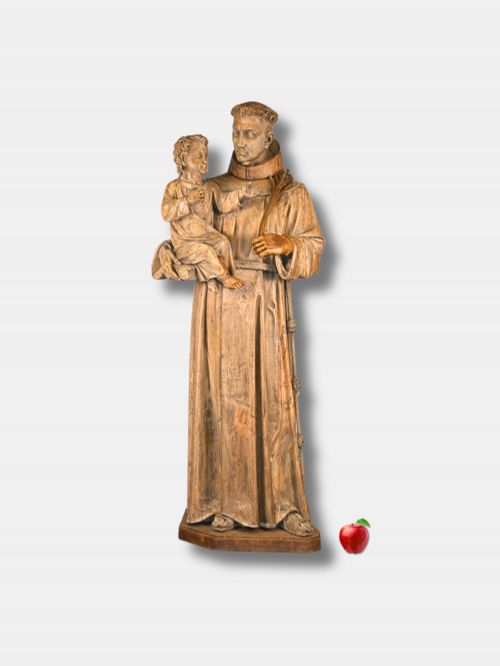
The materials span carved wood, terracotta, cast lead, bronze, and stone, reflecting diverse stylistic traditions from Classical Revival to Folk Art. Figures of saints, allegorical representations like Summer and Autumn, and domestic animals appear frequently.
Originating from British, French, Italian, Austrian, and other European workshops, these works serve as focal points for both grand interiors and outdoor conservatory settings.
Materials and construction
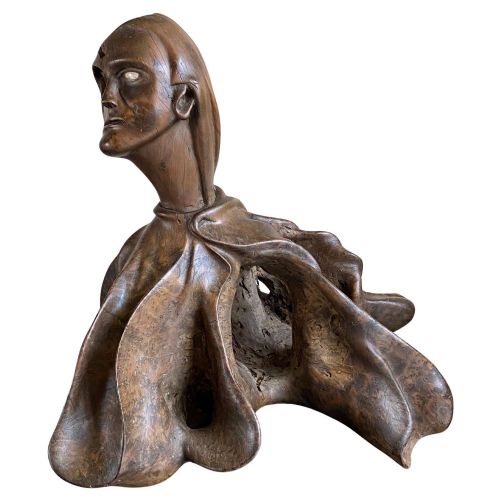
Carvers shaped walnut, oak, yew burr, and pine using traditional hand chisels and gouges to achieve human and animal forms. Wood figures often received paint or polychrome finishes to enhance detail.
Metalworks utilise bronze, cast lead, and cast iron, shaped through casting processes that capture intricate textures such as fur, clothing folds, and plumage. Terracotta and cast stone pieces rely on mould-forming and subsequent firing or curing.
Leather construction appears in specific animal models, utilising stitched hides stretched over internal armatures to form sturdy life-scale figures.
Evaluating quality
Surface finish and patina dictate visual depth, whether through the warm ageing of bare wood, the rich oxidation of bronze, or the subtle crazing of historical paint layers. Original patination preserves the integrity of the piece.
The precision of detail in tooling, chasing on metals, and hand-carving reveals the maker's competency and the workshop standard of the period.
George Henry Paulin·Pietro Calvi·Henri Jaquesmart
The Life Size Sculptures Glossary
- Santos
- A carved religious figure, often wooden, dressed in textiles or painted to depict saints or sacred persons for devotional use. These figures originate mainly from Continental traditions.
- Terracotta
- Fired clay used for sculptural modelling, appreciated for its warm earthen tones and ability to record fine surface detail before or after glazing.
- Patina
- The surface sheen and colour acquired by materials through age, handling, and oxidation, indicating genuine historic character.
- Polychrome
- Decorated in multiple colours, typically applied to wood or stone sculpture to heighten realism and decorative impact.
- Armature
- An internal framework of metal or wood used to support softer materials like clay or plaster during the sculpting process.
Life Size Sculptures: Frequently Asked Questions
Where should I place a life size sculpture?
These substantial pieces anchor large rooms, entrance halls, and open garden settings where their scale can be fully appreciated. Placing them away from direct heat sources protects wood and painted finishes.
Outdoor garden statues and cast lead hounds require stable footings on stone or gravel to support their weight safely throughout changing weather conditions.
How do I care for wooden sculptures?
Dust regularly with a soft, dry brush and maintain stable indoor humidity to prevent the wood from splitting or warping. Avoid applying modern polishes or oils unless specifically suited to historic dry surfaces.
Keep pieces out of direct sunlight to preserve any original painted or polychrome details.
What is a Santos figure?
A Santos figure is a devotional wooden sculpture representing a saint, typically created for religious display in European contexts. Many feature carved details intended to be complemented by textiles.
These pieces reflect traditional religious craftsmanship from the eighteenth and nineteenth centuries.
How can I tell the period of a sculpture?
Dating relies on tool marks, material composition, stylistic conventions of the period, and any maker signatures or foundry marks. Eighteenth-century works often show hand-adzed wood or early casting techniques, while Victorian pieces reflect distinct revival styles.
Comparing surface wear and construction methods with documented examples helps confirm the era of origin.