




Cast Bronze Bird
Cast bronze bird figures and vessels encompass expressive animalier sculptures, Japanese Meiji vases, and Austrian cold-painted groups that bring character into any room.
Cast Bronze Bird
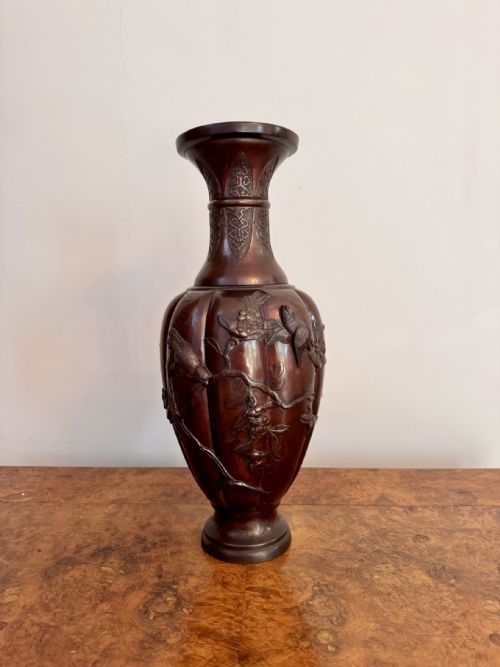
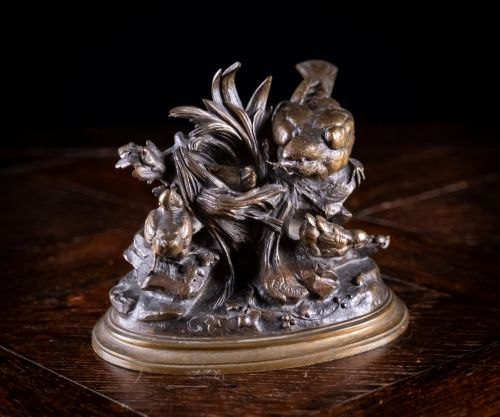
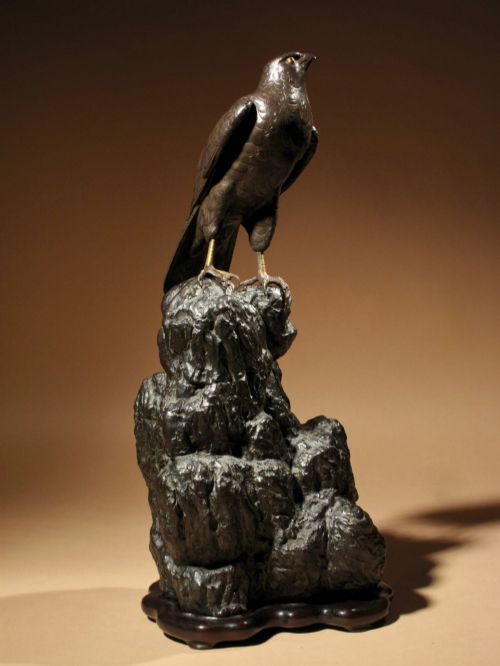
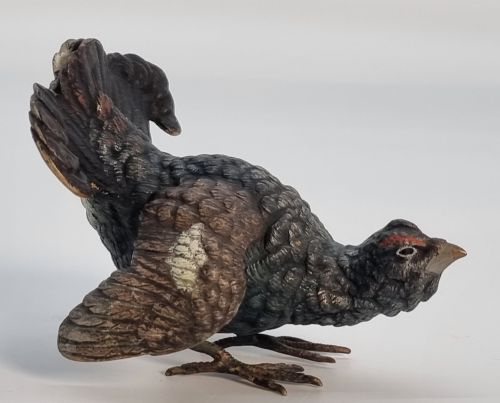
A cast bronze bird search reveals a diverse range of objects, spanning European animalier sculptures and intricate East Asian decorative arts. Buyers encounter French predatory birds, Austrian cold-painted grouse and pheasants, and Japanese Meiji period vases adorned with avian motifs.
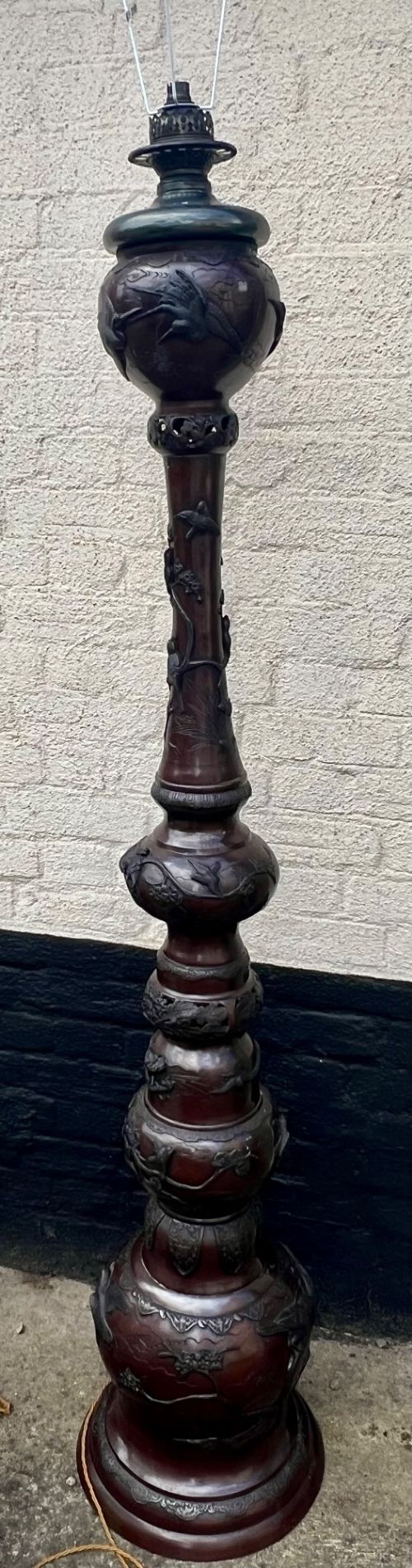
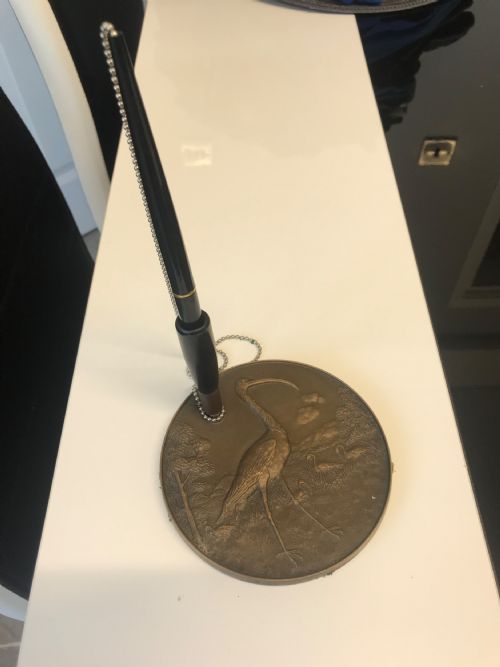
The pieces on this page lean heavily towards nineteenth-century Japanese bronzes, alongside European desk accessories, pen rests, and sculptural studies of hawks, eagles, and wading birds. Functional items such as inkwells, planters, and urns frequently incorporate avian designs into their metalwork.
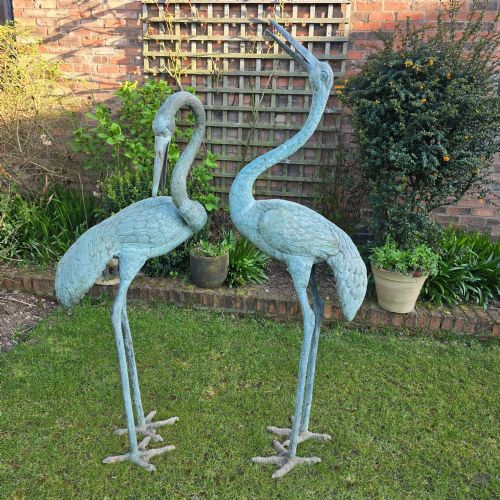
Originating from periods like the Victorian era, the Meiji period, and the early twentieth century, these objects combine utilitarian roles with decorative naturalism. Collectors find everything from monumental garden okimono geese to small cabinet bronzes.
Materials and casting methods
The primary material is cast bronze, frequently complemented by brass, patinated surfaces, and applied cold paint to render realistic plumage. Some Austrian pieces utilise specific polychrome paint techniques over metal to achieve vibrant, lifelike bird colours.
Foundries employed traditional lost-wax casting and sand-casting methods to capture intricate details like feathers, rock formations, and nests. Subsequent hand-chasing and patination defined the final surface texture and depth of tone on the metal.
Listings feature 19th Century, Victorian, and early 20th Century periods alongside Meiji Period and Art Deco styles.
Markers of superior craftsmanship
Quality rests in the crispness of the chasing and the fidelity of the anatomical rendering, where feather definition appears individual rather than generalised. Superior works display a deliberate balance in composition and a rich, stable patination developed over decades.
Renowned foundries and named sculptors command attention through masterly finishing and purposeful weight. Lesser pieces lack the nuance in surface texture and the subtle tonal variations that distinguish fine foundry work.
Antoine Louis Barye·Franz Bergman·Barbedienne·Antoine Bofill·Auguste Moreau
The Cast Bronze Bird Glossary
- Animalier
- A nineteenth-century artistic movement dedicated to the realistic portrayal of animals. Sculptors in this tradition focused on anatomical accuracy and dynamic movement.
- Cold-painted bronze
- A technique where bronze figures are painted with cold paint rather than fired in a kiln. This method was widely used in Vienna to create brightly coloured avian models.
- Meiji Period
- The era in Japanese history spanning from 1868 to 1912, marked by exceptional metalwork artistry exported to Western markets. Bronzes from this time often feature detailed flora and fauna.
- Okimono
- Japanese decorative objects designed for display in a household alcove or room. These include large-scale bronze figures of geese and other wildlife.
- Patinated bronze
- Metal treated with chemical solutions to produce a specific surface colour or aged finish. This process protects the bronze while enhancing its visual depth.
Cast Bronze Bird: Frequently Asked Questions
How do I clean a bronze bird?
Dust gently with a soft brush and avoid harsh chemical cleaners that strip the original patina.
Apply a microcrystalline wax sparingly if the surface requires protection from atmospheric moisture.
Where should I place a bronze bird?
Position desk accessories and small figures on stable wooden surfaces in studies or living rooms where handling is easy.
Keep larger garden okimono and floor lamps in protected indoor areas to preserve cold-painted or patinated finishes.
Are cold-painted bronzes fragile?
The applied paint layer can chip or flake if subjected to rough handling or aggressive cleaning methods.
Display these pieces away from direct sunlight and moisture to maintain the integrity of the pigments.
How do I identify a Meiji period bronze?
Look for characteristic Japanese motifs such as cranes, eagles, and floral relief work combined with dark patination.
Examine the base and casting seams for clues pointing towards late nineteenth-century Japanese foundry practices.