

Cast Bronze Animalier
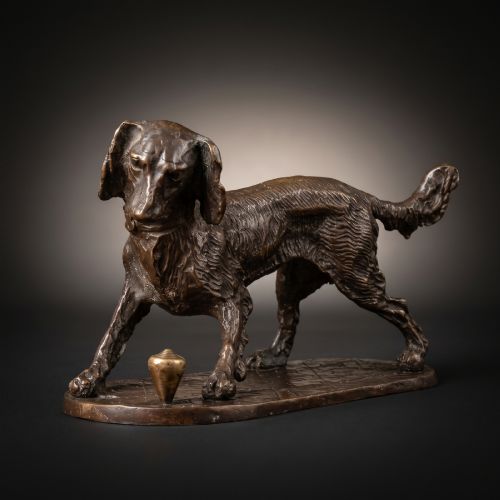
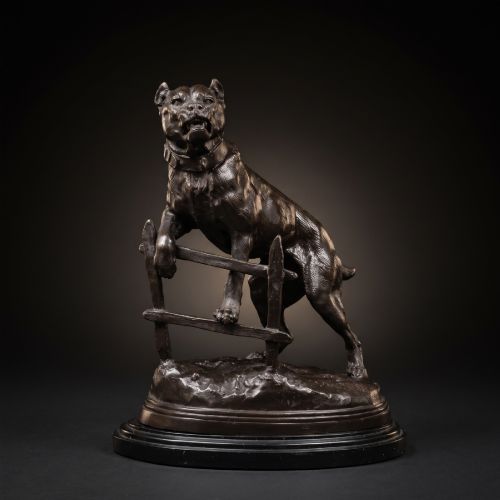
When you search for cast bronze animalier, you find sculptures depicting animals caught in natural motion.
Cast Bronze Animalier
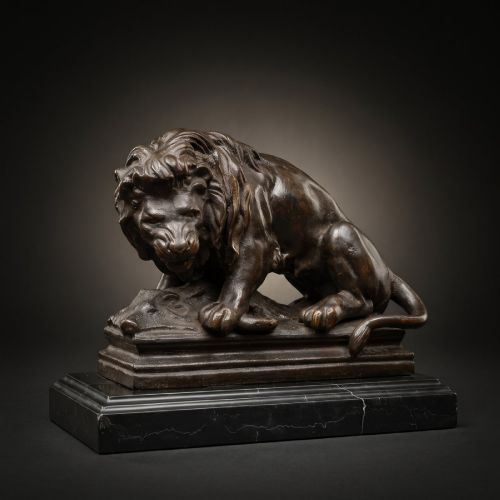
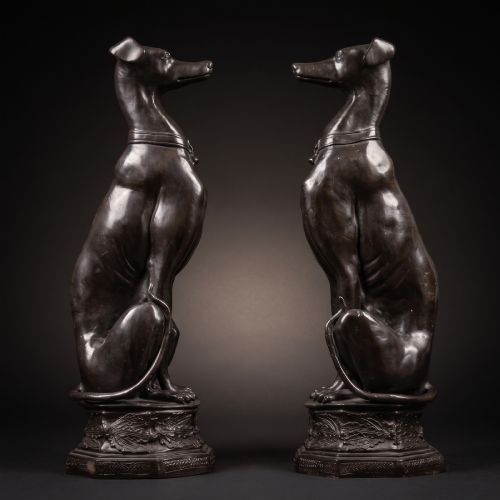
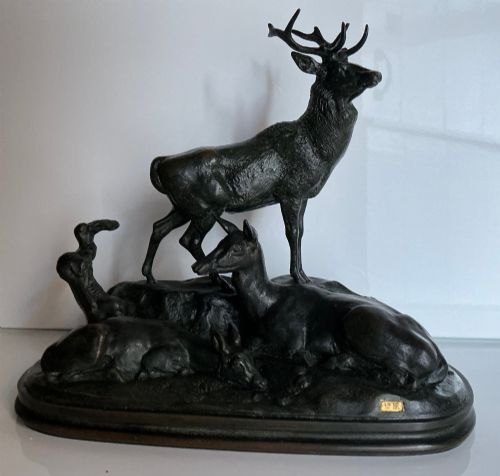
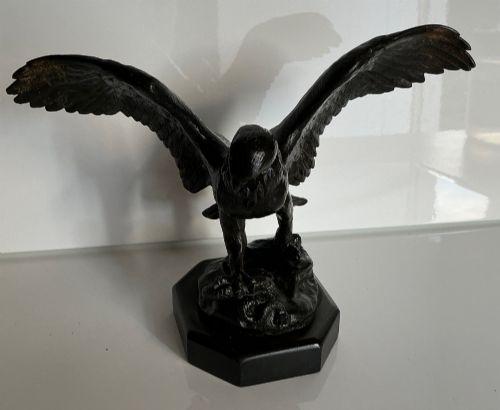
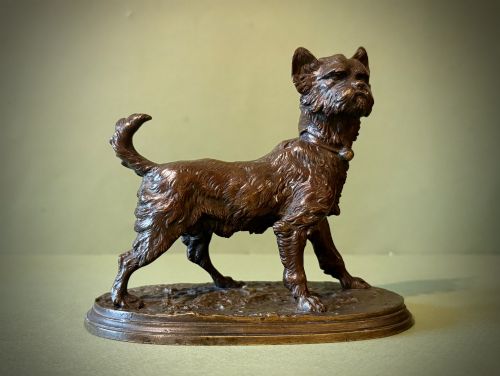
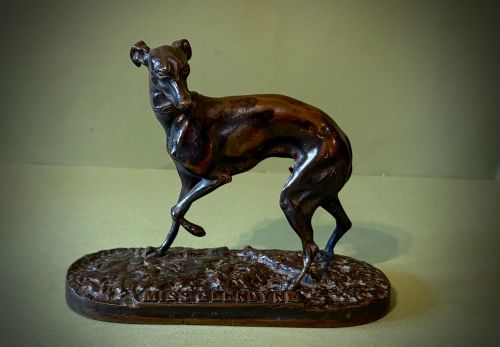
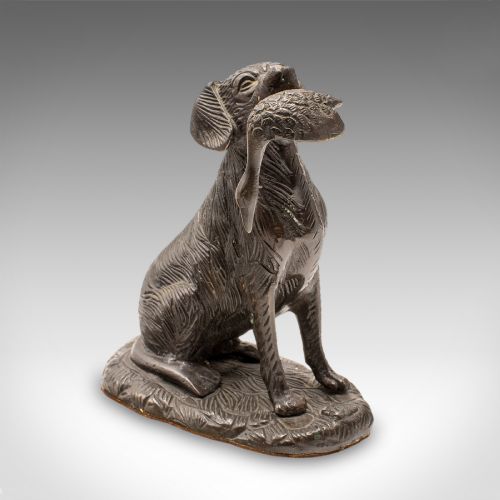
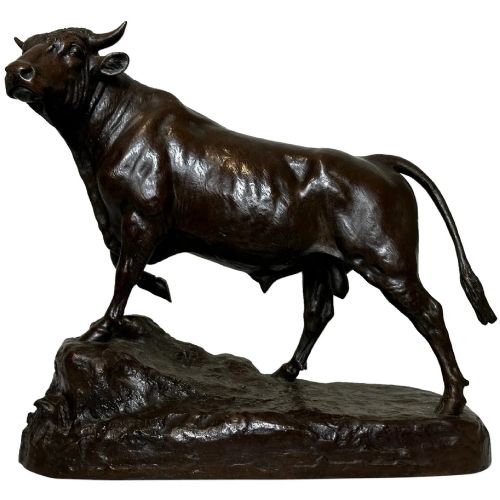
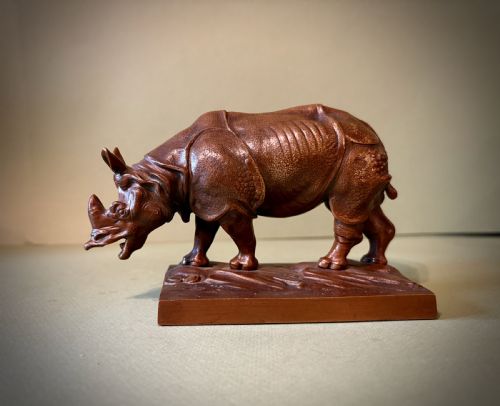
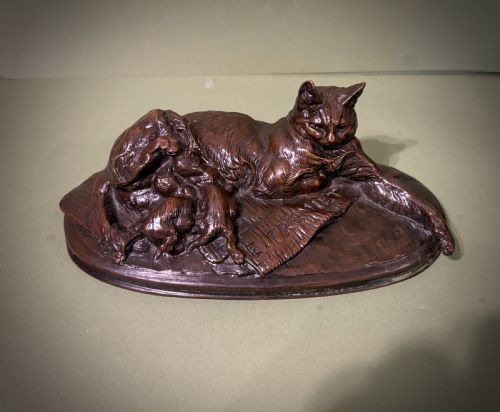
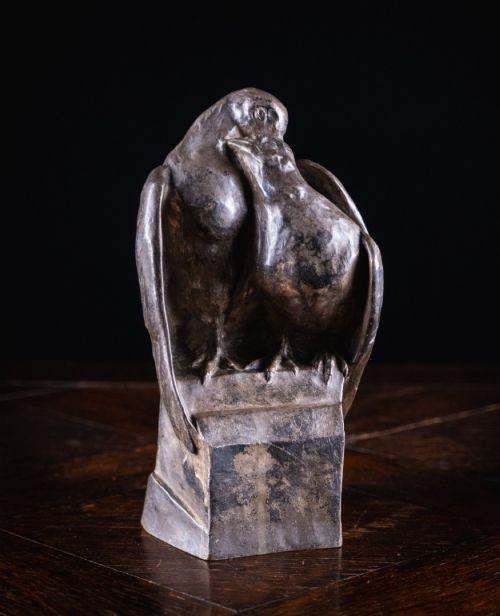
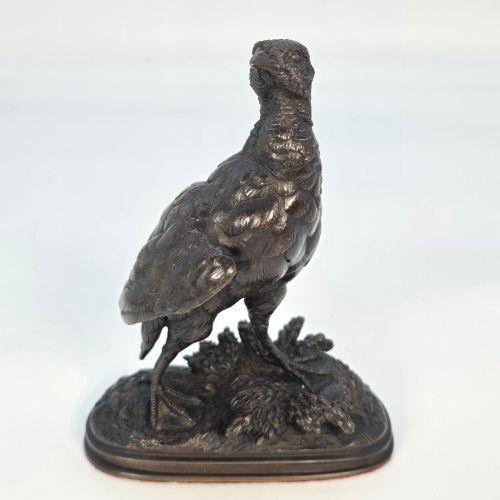
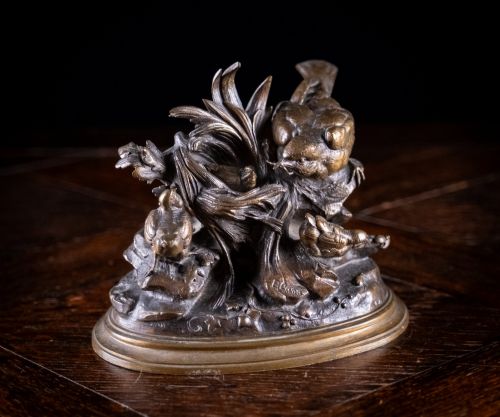
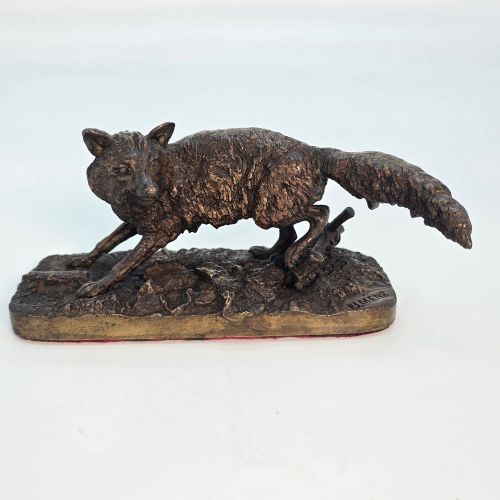
A cast bronze animalier piece represents animals in realistic, anatomical detail, spanning domestic dogs, birds of prey, and large wildlife. These works appear most frequently in French styles from the nineteenth century, capturing subjects like hounds, stags, and horses with acute observation.
Makers produced these figures as tabletop ornaments, decorative urns, and substantial mantle sculptures. The listings combine nineteenth-century European casting traditions with later twentieth-century interpretations, showing subjects on stone, marble, or wood plinths.
Materials and Casting Techniques
Foundries utilised traditional metal casting methods to shape molten bronze into intricate fur, feather, and muscle textures. Artisans then applied chemical treatments to achieve patinated surfaces, ranging from deep brown tones to cold-painted polychrome finishes.
Many sculptures incorporate mixed media elements, pairing the cast metal body with marble bases, stone mounts, wooden plinths, ivory details, or nickel coatings. These secondary materials provide structural support and aesthetic contrast to the central animal figure.
Cast Bronze Animalier Retail Price Guide 2026
Typical asking prices for cast bronze animalier among the pieces listed under this phrase on Sellingantiques today, from the lower quarter to the upper quarter. They describe what is for sale here now, not the wider market.
Listings feature periods spanning from 1850 through the Victorian era and into the twentieth century, incorporating materials like marble, ivory, and patinated bronze.
Distinctions in Quality
Quality rests in the crispness of the chasing work and the fidelity of the cast to the animal's musculature and movement. Superior examples retain sharp surface texture in the fur or feathers without losing the underlying anatomy.
The sophistication of the patina and the quality of the supporting plinth, such as fitted marble or stone bases, separate standard commercial editions from master foundry productions.
Antoine Louis Barye·Pierre Jules Mene·Jules Moigniez·Isidore Jules Bonheur·Christophe Fratin
The Cast Bronze Animalier Glossary
- Animalier
- A nineteenth-century artistic movement focused on the realistic depiction of animals. Practitioners concentrated on anatomical accuracy and observed behaviour.
- Patina
- The surface coloration of a bronze sculpture resulting from oxidation or chemical treatment. This finish protects the metal and defines the visual depth.
- Cold-painted
- A technique where paint is applied to cold bronze without heat fixing. Bergman bronzes frequently utilise this method for colourful avian and figurative subjects.
- Chasing
- The process of hand-tooling a bronze casting after it leaves the mould. Artisans use chisels and punches to refine surface details and remove casting seams.
Cast Bronze Animalier: Frequently Asked Questions
What subjects appear in animalier bronze?
These sculptures depict a wide range of fauna, including domestic dogs, horses, birds, and wild animals like stags and lions. Artists observed these subjects directly in menageries and rural settings.
Many pieces capture animals in dynamic motion, such as hounds chasing prey, birds landing, or horses jumping fences.
How do I identify a nineteenth-century casting?
Nineteenth-century casts typically display careful hand-chasing and deep, layered patinas developed over decades. Foundry marks and artist signatures often appear directly on the bronze base or plinth.
Materials such as aged marble plinths and older mounting screws help distinguish these period works from later twentieth-century reproductions.
Where should I display these sculptures?
These bronzes suit placement on mantelpieces, sturdy wooden desks, or dedicated display tables where their weight and detail are secure. Placing them away from direct heat sources protects any applied patinas and mixed media elements like marble or wood bases.
Pairing smaller figurines with books or placing larger statues on standalone plinths highlights their sculptural form.
What is cold-painted bronze?
Cold-painted bronze refers to metal figures decorated with oil or enamel paints applied after the casting process. This method allows for vibrant, multi-coloured depictions of birds and exotic animals.
Careful handling is required with these pieces to preserve the painted surface against flaking or moisture.