

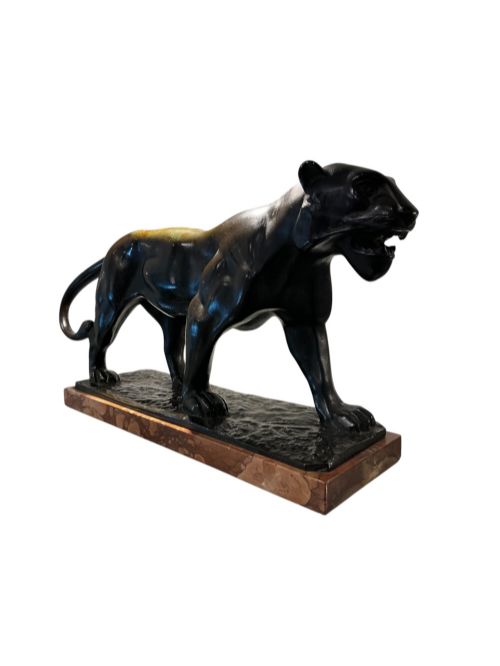
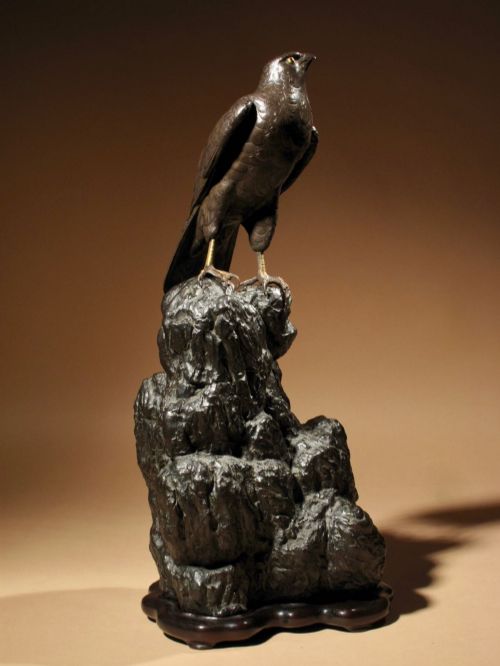


Decorative Bronze Animalier
These decorative bronze animalier figures capture the alertness and muscular tension of wildlife and domestic pets in metal.
Decorative Bronze Animalier
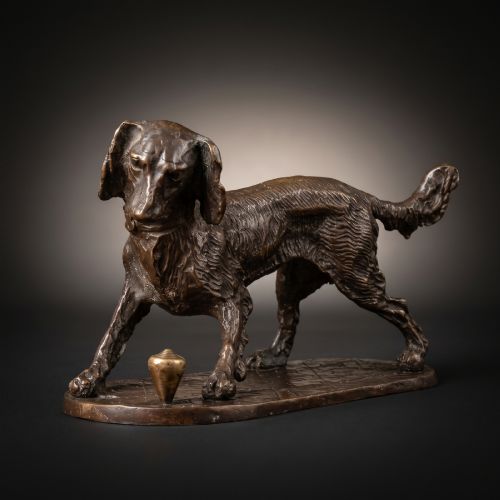
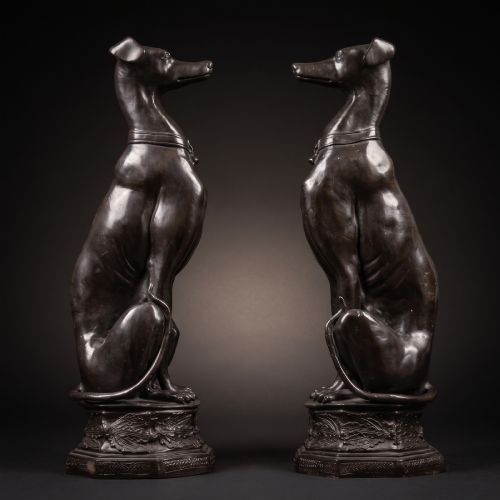
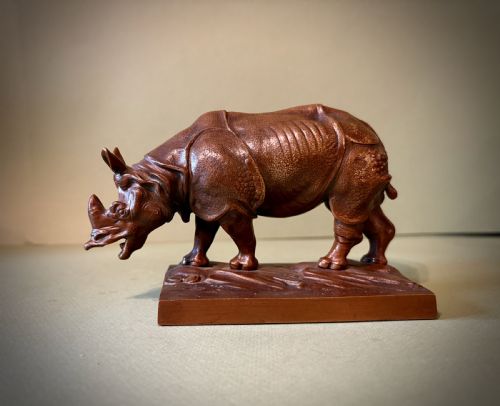
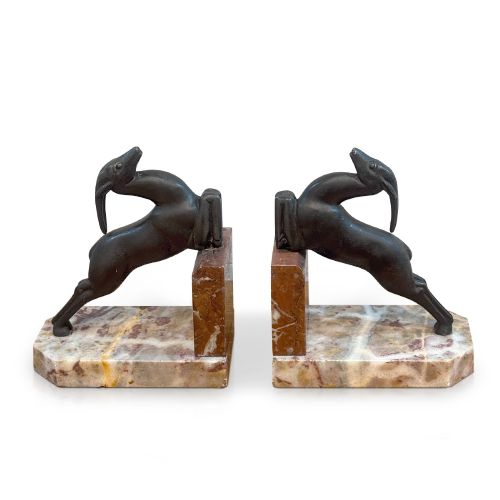
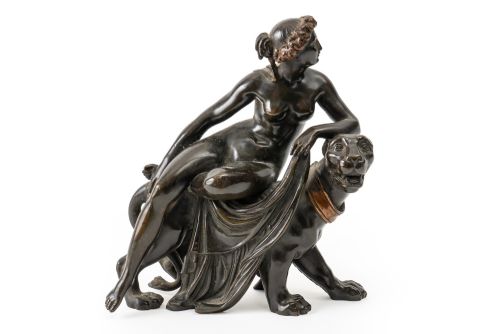
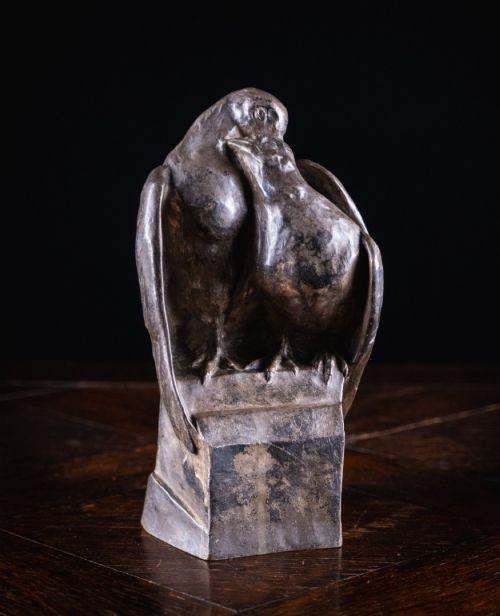
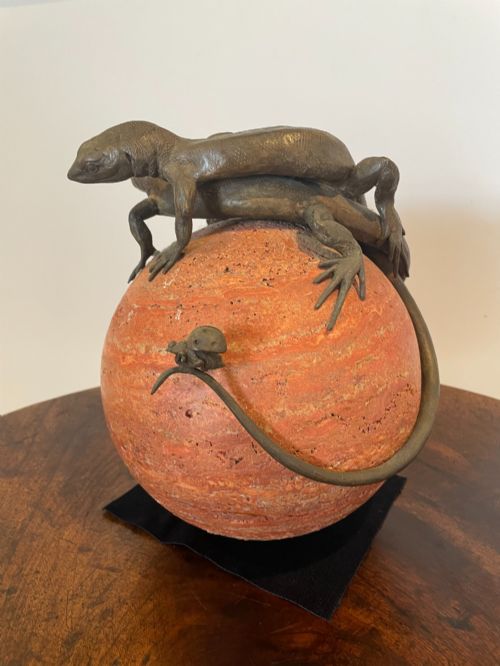
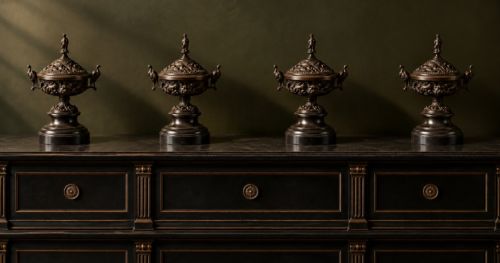
Decorative bronze animalier works focus on realistic depictions of creatures, ranging from spaniels and whippets to rhinoceroses, lizards, hawks, peacocks, sea lions, goats, hares, and foxes. You encounter these subjects primarily as standalone sculptures, bookends, candelabra, mantel clocks, and decorative urns.
The pieces on this page span the eighteenth, nineteenth, and twentieth centuries, taking in periods such as French Regency, Neoclassical, Art Nouveau, Art Deco, and the Meiji period. Nineteenth-century French casting traditions strongly represent the core of what you will find here alongside later twentieth-century iterations.
Makers and sculptors represented include notable nineteenth-century names alongside twentieth-century artists, often paired with bases of marble or wood. The scale moves from small birds and lizards up to substantial groups of peacocks or candelabra.
Assessing Quality
The choice and execution of the patina or surface finish dictate visual depth, distinguishing works with rich, deliberate coloration from flat or uniform surfaces. The integration of supporting elements, such as marble or wooden bases and associated hardware, also marks the distinction between standard production and masterwork execution.
Decorative Bronze Animalier Retail Price Guide 2026
Typical asking prices for decorative bronze animalier among the pieces listed under this phrase on Sellingantiques today, from the lower quarter to the upper quarter. They describe what is for sale here now, not the wider market.
Materials across the selection range from bronze, marble, and wood to patinated, gilt, silvered, and nickel-plated bronze, alongside patinated spelter.
Barbedienne·A L Barye·Auguste Cain·Frederique Cederlund-Ozanne·Hessen Paris·P J Mene·Jules Moigniez·C Omin·Edith Parsons·Johann Heinrich von Dannecker
The Decorative Bronze Animalier Glossary
- Animalier
- A term for nineteenth-century art focusing on the realistic portrayal of animals. This style prioritised anatomical accuracy and dynamic poses over idealised human subjects.
- Patinated bronze
- Bronze treated with chemical solutions to produce a specific surface colour and tone. This process highlights sculptural details and protects the metal.
- Spelter
- A zinc alloy frequently utilised as a less expensive alternative to bronze. It accepts patination well but possesses a lighter weight and softer structural strength.
- Gilt bronze
- Metal coated with a thin layer of gold or gold leaf, also known as ormolu. This finish provides a bright, reflective surface popular in decorative French clocks and candelabra.
- Casting
- The process of pouring molten metal into a mould to form a specific shape. High-quality casts require skilled finishing work to sharpen details after cooling.
Decorative Bronze Animalier: Frequently Asked Questions
What is an animalier bronze?
An animalier bronze is a nineteenth-century sculpture genre dedicated to realistic depictions of animals in naturalistic or dramatic poses. These pieces range from small studies of birds and reptiles to large groups of predatory and domestic mammals.
Artists observed animals in menageries and rural environments to capture authentic muscle tension and behaviour. They functioned primarily as cabinet pieces, mantel ornaments, and practical items like bookends.
Where should I place these sculptures at home?
These sculptures suit prominent display on mantelpieces, bookshelves, desks, or dedicated side tables where their three-dimensional forms can be viewed from multiple angles. Bookends and clock garnitures offer functional integration alongside decorative impact.
Keep bronze pieces away from direct heat sources and moisture to preserve the stability of the patinated surface and any attached marble or wooden bases.
Are these sculptures solid bronze?
Many animalier sculptures are hollow-cast to reduce weight and material cost, although smaller studies and specific components may be solid. Hollow casting was standard practice in major European foundries to ensure even cooling of the metal.
The thickness of the metal wall and the quality of the internal support structure vary according to the period and the foundry that produced the work.