


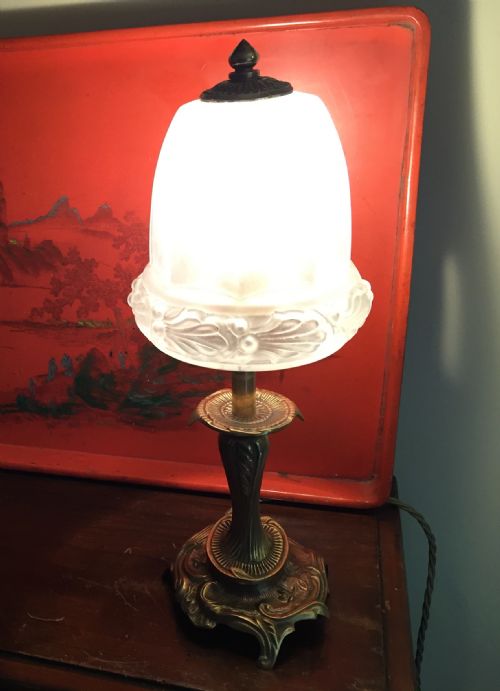
Cast Bronze Accent Lamp
These cast bronze accent lamps bring character to any room, offering both sculptural presence and warm illumination.
Cast Bronze Accent Lamp
A cast bronze accent lamp is a small decorative light fitting designed for table use, combining metalwork with electrical or oil-burning functionality. When searching for a cast bronze accent lamp, buyers encounter varied interpretations spanning the nineteenth century through the art deco period.
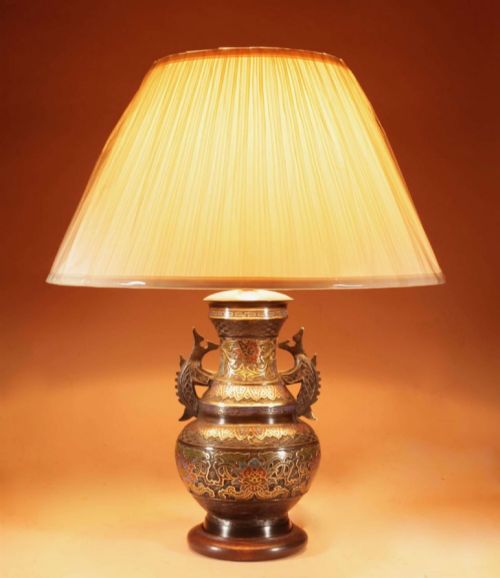
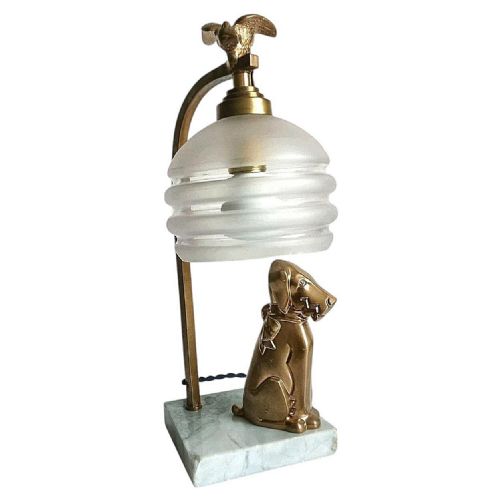
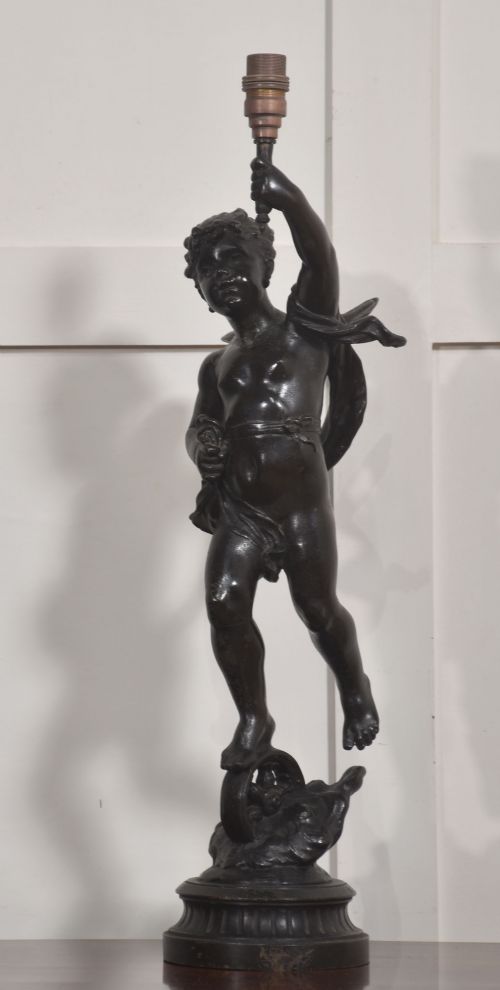
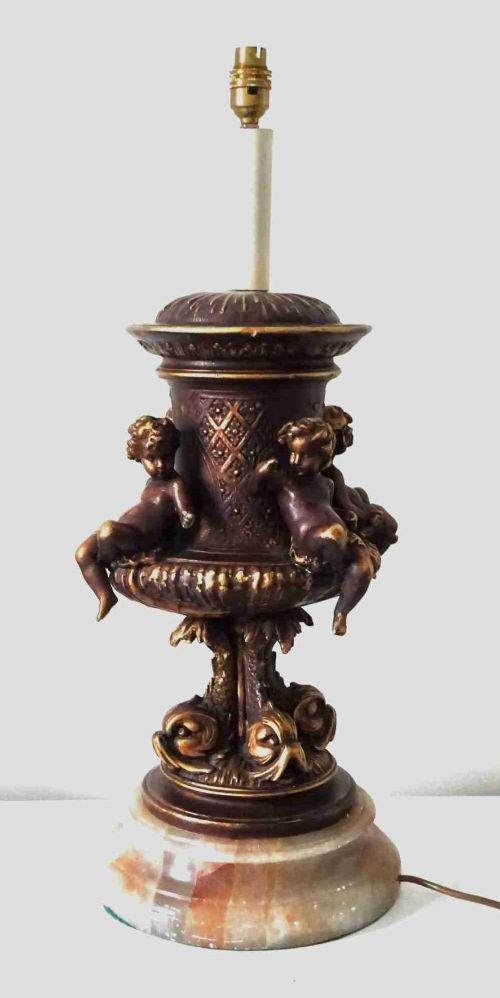
The pieces on this page appear in forms ranging from French rococo style designs and figural cherub table lamps to exotic animal subjects and oriental motifs. Most examples originate from continental European workshops and British or French makers, utilising heavy cast metal bodies.
Buyers are most likely to meet pieces dated around nineteen hundred or the nineteen twenties, featuring patinated or gilt metal surfaces. These smaller lamps serve to illuminate dark corners or accent sideboards without dominating the space.
What varies in quality
Quality in these lamps rests upon the crispness of the casting and the depth of the hand-finishing work on the bronze or gilt metal. Superior examples display sharply defined figural details and substantial weight, whereas lesser pieces show softer contours and simpler construction.
The choice of secondary materials also dictates the standard of the piece, with genuine marble bases and frosted glass elements elevating the work above standard production items. Integrated design harmony between the metal body and the decorative motifs separates everyday lighting from exceptional specimens.
Listings feature items spanning the nineteenth century through the nineteen thirties, encompassing art nouveau, art deco, and rococo revival styles.
The Cast Bronze Accent Lamp Glossary
- Patinated bronze
- Bronze that has been chemically treated or allowed to age naturally to produce a dark, lustrous surface colour. This finish protects the metal and accentuates the underlying sculptural details.
- Champlevé
- An enamelling technique where troughs or cells are sunk into the surface of the bronze and filled with vitreous enamel before firing. It creates colourful decorative patterns across the metal body.
- Spelter
- A zinc alloy frequently used as a cheaper alternative to bronze during the nineteenth and early twentieth centuries. It is lighter than bronze and often receives a bronze-coloured metallic paint finish.
- Gilt metal
- Metal that has been coated with a thin layer of gold leaf or gold paint to give the appearance of solid gold. This technique adds brightness and a sense of luxury to decorative table lamps.
- Rococo Revival
- A nineteenth-century design style characterised by asymmetrical scrolls, naturalistic shell motifs, and exuberant ornamentation. It draws inspiration from the French court style of the eighteenth century.
Cast Bronze Accent Lamp: Frequently Asked Questions
What is a cast bronze accent lamp?
A cast bronze accent lamp is a decorative table light made primarily from cast metal, designed to provide localized illumination and visual interest in a room. These pieces range from simple classical forms to elaborate figural sculptures.
They function as both functional lighting and decorative art objects, often displayed on side tables, desks, or mantelpieces where their detailed metalwork can be appreciated.
How do I date a bronze lamp?
Dating a bronze lamp involves examining the casting techniques, the style of decoration, and the materials used for the base and shade. Pieces from the nineteenth century often feature heavy patinated bronze and classical motifs, while early twentieth-century examples embrace art nouveau or art deco styling.
Secondary clues include the type of electrical wiring or fittings, though many older lamps have been rewired for modern use. Comparing the decorative vocabulary to known historical periods helps narrow down the decade of manufacture.
Where were these lamps placed?
Historically, these accent lamps found places in parlours, studies, and drawing rooms where extra illumination was required for reading or conversation. Their modest size made them suitable for placement on sideboards, console tables, and desks rather than main centre tables.
Today, owners use them in similar domestic settings to create pools of warm light and highlight specific areas of an interior scheme.
What is the difference between bronze and spelter?
Bronze is a durable alloy of copper and tin that takes fine detail and develops a rich patina over time. It is heavy and holds significant value among collectors of antique lighting.
Spelter is a zinc-based alloy that is softer and lighter than bronze. Manufacturers used it as an economical substitute, often finishing it with a bronze-look coating to mimic the appearance of true bronze.