
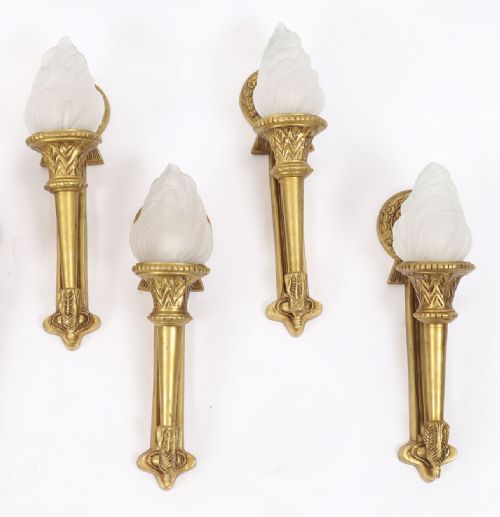


Bronze Frosted Glass Light
A bronze frosted glass light brings a warm, diffused glow to a room through heavy metalwork and textured panes.
Bronze Frosted Glass Light
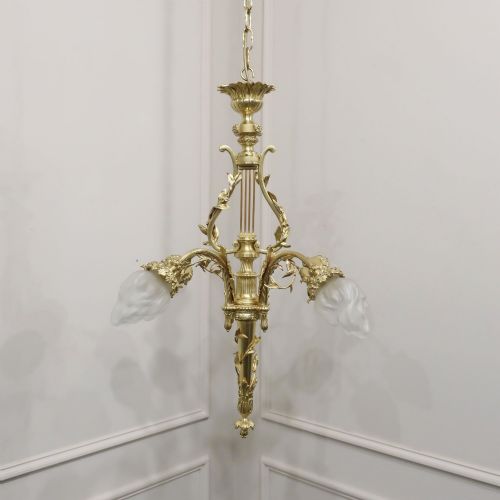
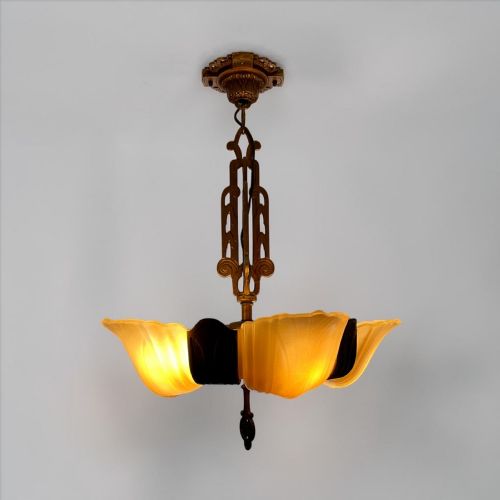
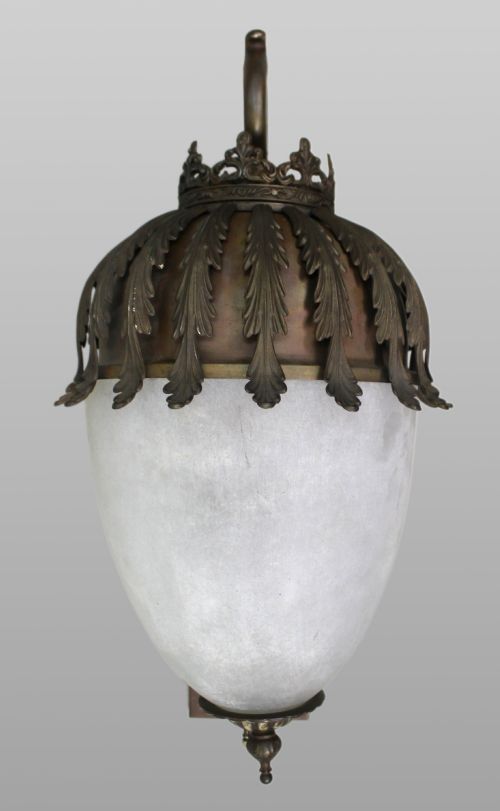
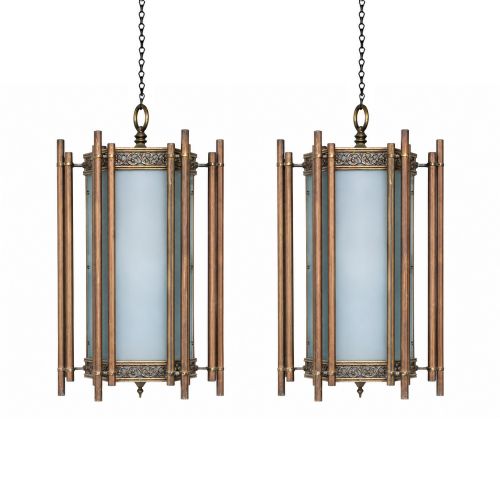
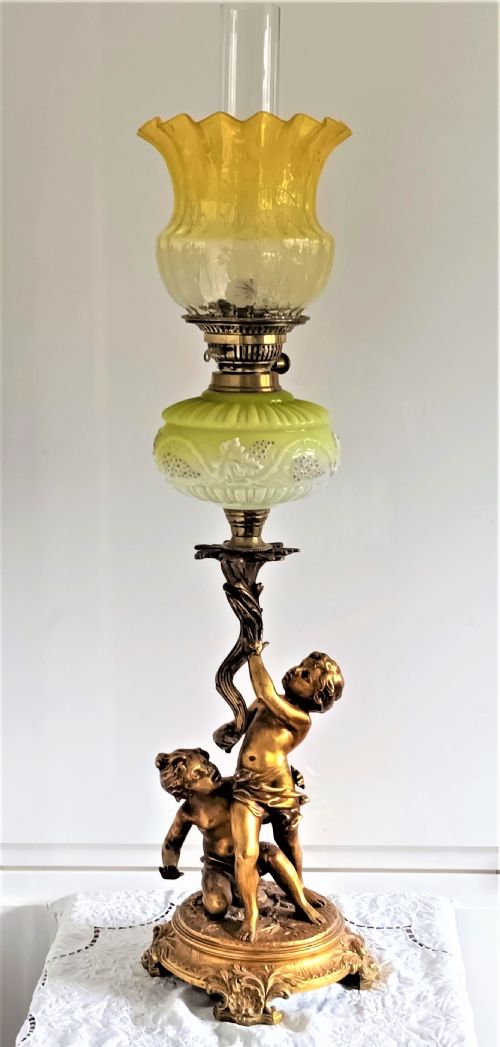
A bronze frosted glass light combines cast metal frameworks with softened, translucent glass elements to illuminate interior spaces. Buyers seeking a bronze frosted glass light will find table lamps, ceiling lights, wall lights, and chandeliers spanning the Victorian, Edwardian, and Art Deco periods.
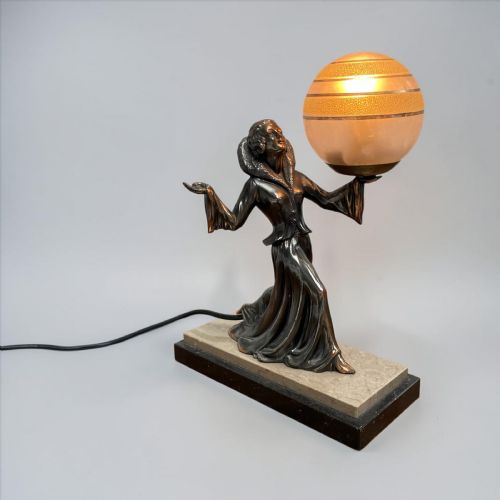
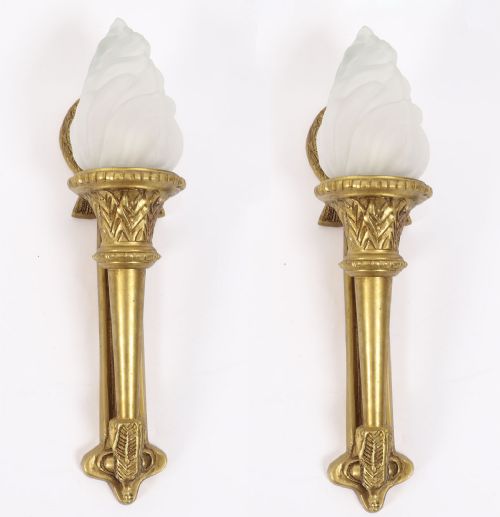
The selection ranges from French Neoclassical wall lights and ornate Victorian hall lanterns to streamlined Art Deco slip shade fixtures and figural lady lamps. Pieces originate from English, French, and American makers working across the nineteenth and twentieth centuries.
Art Nouveau and Arts and Crafts examples introduce organic motifs and hanging lantern forms into the mix. Most standard offerings on this page date from the 1920s and 1930s, reflecting the popularity of frosted and opalescent glass during the interwar years.
What varies in quality
The precision of the metal casting and the crispness of chased details separate standard production items from masterworks. Heavier bronze frames and intricately sculpted figural bases demonstrate superior workshop capability compared to lighter alloy substitutes.
The depth and uniformity of the glass frosting, alongside the integration between glass shades and their metal mounts, dictate the overall refinement of the piece. Well-preserved patination and original gilding preserve the intended aesthetic balance of the metalwork.
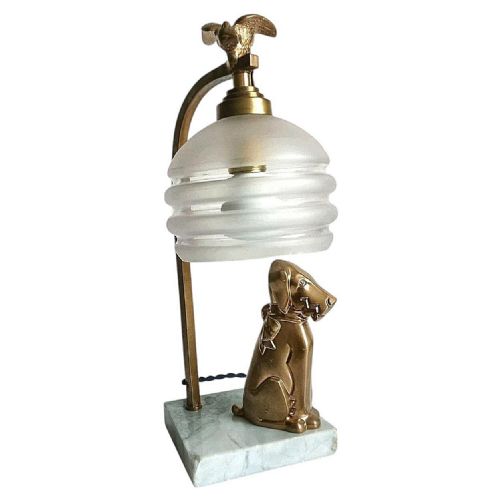
Several Art Deco lamps incorporate dogs and parrots alongside nude ladies, proving that twentieth-century lighting designers had a delightful sense of humour.
Emile Picault·Auguste Moreau·F and C Osler
The Bronze Frosted Glass Light Glossary
- Ormolu
- Gilded bronze achieved by applying a mercury-gilding amalgam to a bronze base, commonly seen in French decorative arts. This technique produces a durable, rich golden surface finish.
- Spelter
- A zinc alloy utilised as a cheaper alternative to bronze for figural sculptures and lampbases. It is frequently painted or bronzed to mimic heavier metals.
- Slip shade
- A moulded piece of glass that slides into a metal frame, standard in many Art Deco ceiling lights and wall sconces. These shades often feature geometric or floral relief patterns.
- Patinated metal
- Metal treated with chemical solutions or heat to alter its surface colour and create an aged finish. This process protects the underlying material while enhancing visual depth.
Bronze Frosted Glass Light: Frequently Asked Questions
How do I clean frosted glass?
Wash the glass gently in warm soapy water using a soft cloth, avoiding harsh abrasives that can damage the textured surface.
Dry thoroughly with a lint-free towel before reattaching the shade to the metal frame.
Can these lights use modern bulbs?
Most vintage fixtures accept standard modern LED bulbs provided the wattage matches the historical capacity of the wiring.
Consult a qualified electrician to inspect older lampholders and internal cables before installation.
How do I date an Art Deco lamp?
Examine the geometric forms, stylised figural subjects, and typical materials such as slip glass and spelter characteristic of the 1920s and 1930s.
Signatures on the metal base or moulded registry numbers on the glass often confirm the exact decade of production.
Where were hall lanterns placed?
Hall lanterns were traditionally hung in entranceways, corridors, and stairwells to provide welcoming illumination for visitors.
Their enclosed glass panels protected the internal flame or bulb from draughts in open passageways.