
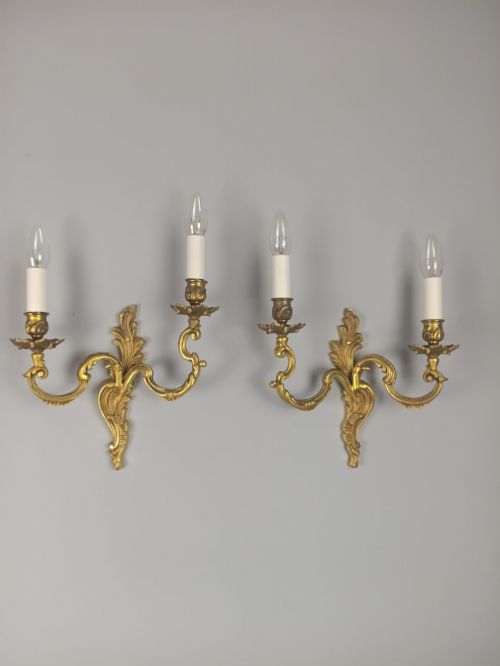


Cast Brass Sconces Pair
Cast brass sconces pair fixtures bring genuine period warmth to a wall, combining sturdy metal casting with enduring candle or gas illumination.
Cast Brass Sconces Pair
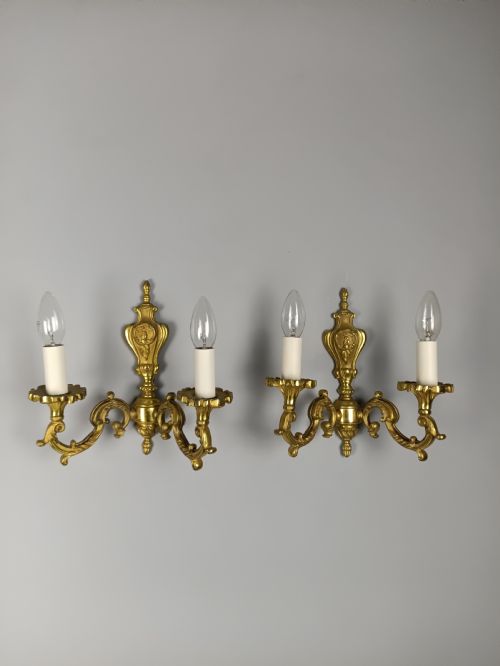
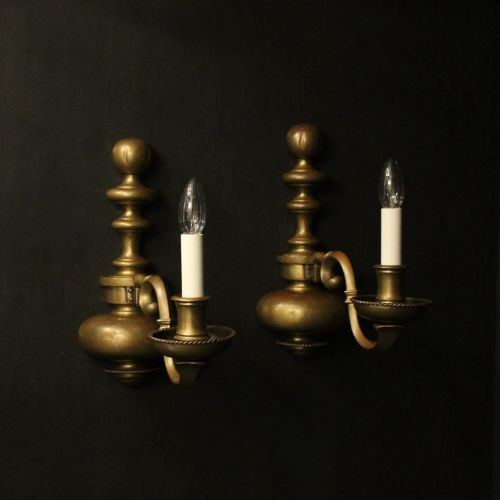
When searching for a cast brass sconces pair, a buyer encounters matching wall-mounted light fixtures predominantly originating from the nineteenth and early twentieth centuries. These pieces encompass twin-arm, triple-arm, and larger multi-lamp configurations designed to illuminate hallways, drawing rooms, and parlours. French and English workshops dominate the design origins, ranging from simple domestic brackets to elaborate decorative pieces.
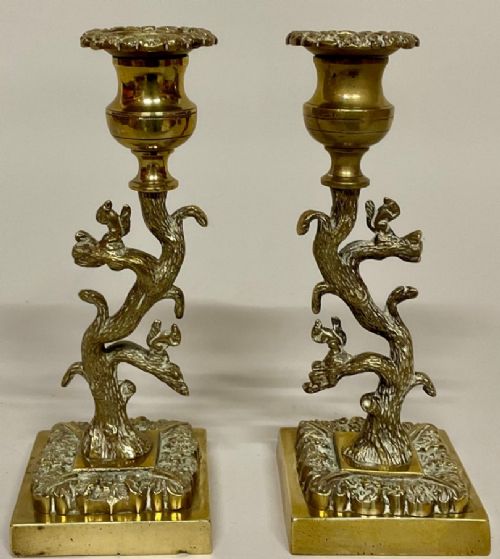
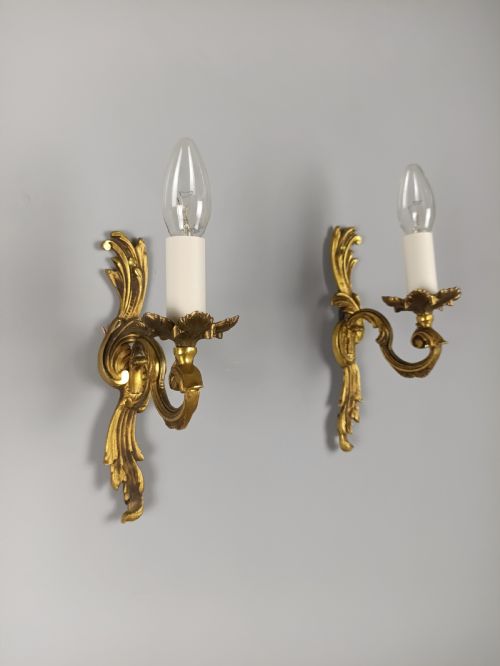
The most frequent examples found on this page display Victorian, Rococo Revival, and Neoclassical styles, often featuring cast ornamentations such as cherubs, scrolling foliage, or architectural motifs. Alongside standard wall lights, related forms appear including candlesticks adapted for walls and mirror sconces that reflect candlelight. These matched pairs demonstrate the balanced symmetry favoured in period interior decoration.
Materials and construction
The primary material across these pieces is cast brass or bronze, sometimes enhanced with surface treatments such as gilding, ormolu, or repolished finishes. Metal-casting techniques allowed makers to produce intricate arms, sculptural figures, and backplates with considerable durability and sharp detail. Secondary materials like glass occasionally supplement the metal structures, particularly in mirror sconces and associated wall light brackets.
Makers utilised molten casting methods to form the structural body and arms of each sconce, followed by hand-chasing to refine surface textures and decorative elements. Gilded surfaces required the application of gold leaf or mercury gilding over the base bronze or brass to achieve a rich, luminous appearance. Structural joins were typically secured through mechanical fasteners or threading, ensuring stability for daily use.
Evaluating craftsmanship
The choice of original surface finish further distinguishes the tiers of manufacture, with deeply preserved gilding or high-grade bronze outlasting simpler repolished brass treatments. Substantial gauge metal indicates a sturdier build that resists bending at the stress points where the arms meet the wall plate. Harmony between the paired items confirms that both sconces originated from the same production run rather than being assembled later.
The Cast Brass Sconces Pair Glossary
- Ormolu
- Gilded bronze, typically produced by applying a fine gold amalgam to a bronze base and firing it to drive off the mercury. This technique creates a rich, matte gold surface characteristic of fine French decorative objects.
- Campana
- A vase-shaped receptacle resembling an inverted bell, frequently used as the nozzle or drip pan on candlesticks and wall sconces. It provides a secure seating for candles in period lighting fixtures.
- Rococo
- A decorative style popular in the eighteenth century and revived in the nineteenth century, characterised by asymmetrical scrolling, shell motifs, and naturalistic plant forms. It brings an energetic, organic flow to metal castings.
- Aesthetic Movement
- A late nineteenth-century design current that prioritised visual beauty over moral or narrative purpose, often incorporating stylised natural elements. Pieces from this period lean towards refined simplicity or distinct artistic character.
- Gasolier
- A multi-branched lighting fixture designed specifically to burn manufactured gas before the widespread adoption of domestic electricity. These units feature heavy hollow tubing to channel gas to the individual burners.
Cast Brass Sconces Pair: Frequently Asked Questions
How do I mount a wall sconce safely?
Period wall lights require secure attachment to wall studs or appropriate anchor fixings due to the substantial weight of cast brass and bronze.
Professional installation is recommended to ensure the wiring or structural support accommodates the specific weight of the pair.
Can these antique sconces take modern bulbs?
Many surviving fixtures have been adapted over time to house electrical wiring rather than candles or gas.
A qualified electrician can evaluate the internal channels and fit modern low-heat LED candles or SES bulbs safely.
How should I clean cast brass?
Gentle dusting with a soft, dry cloth preserves the aged patina and any delicate surface gilding.
Avoid harsh commercial metal polishes that strip away historical surface treatments and diminish the character of the piece.
How do I date a brass wall light?
Stylistic clues such as Aesthetic Movement linear motifs or Rococo Revival scrollwork point toward specific decades of manufacture.
Construction methods, screw types, and the weight of the metal casting provide further physical evidence for assigning a period.