

Cast Brass Base
A cast brass base grounds lighting, tables, and display stands across periods from the eighteenth century to the twentieth.
Cast Brass Base
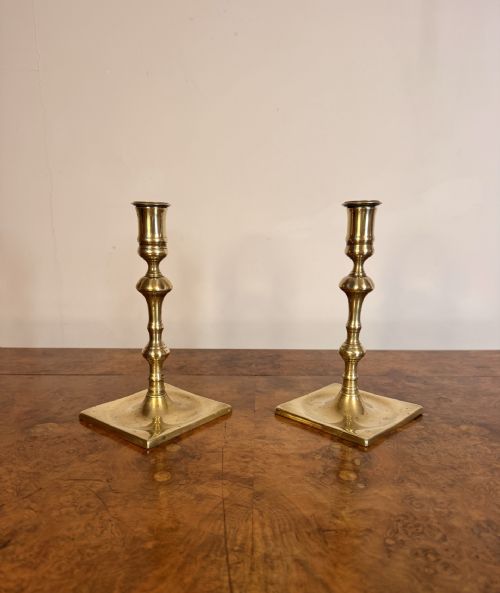
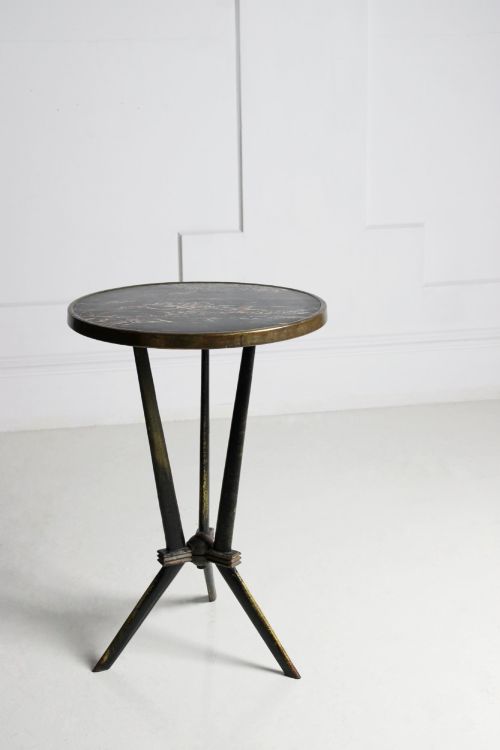
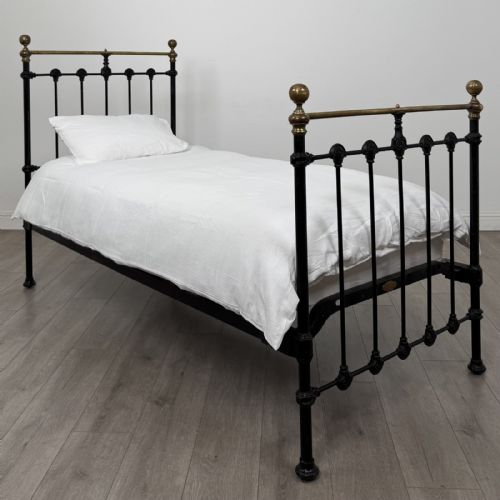
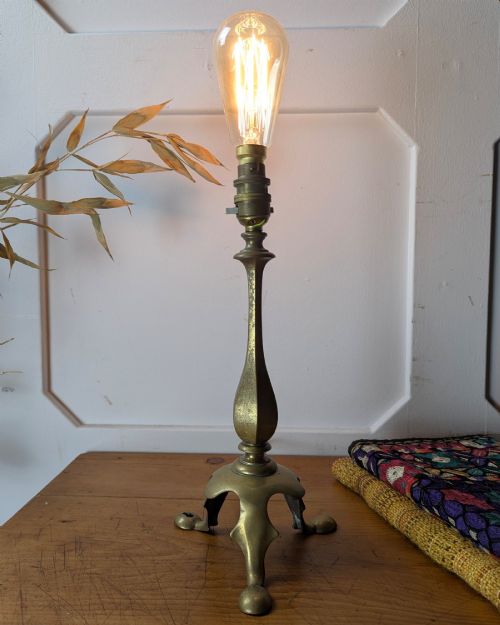
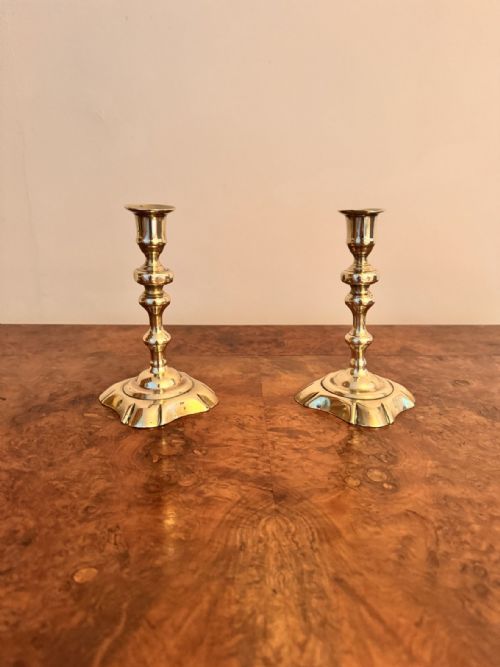
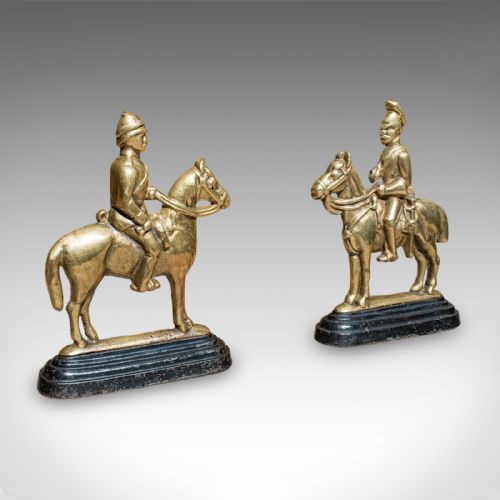
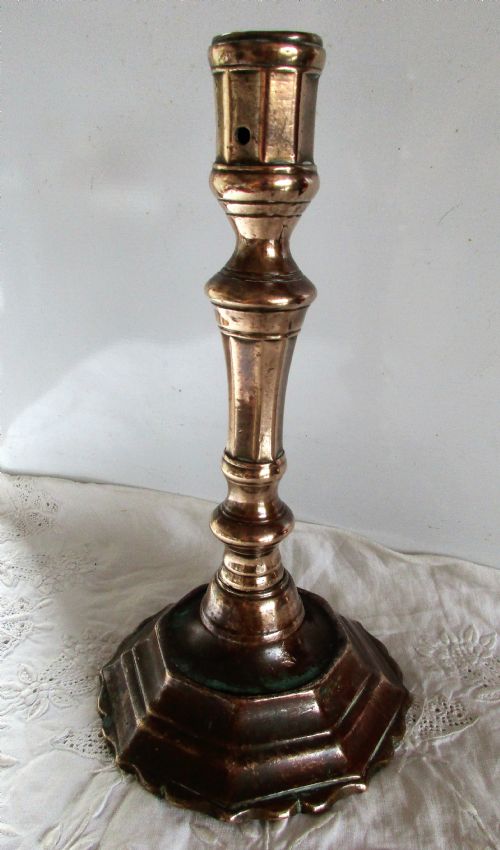
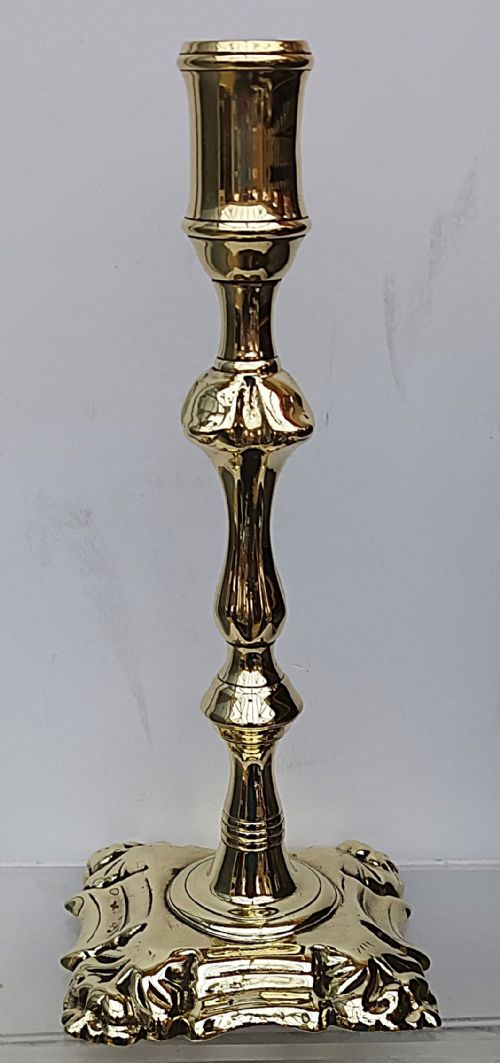
When you search for a cast brass base, you encounter a mix of domestic metalwork and functional supports spanning Georgian, Victorian, and early twentieth-century eras. The selection on this page centres heavily upon candlesticks, table and floor lamps, and occasional tables.
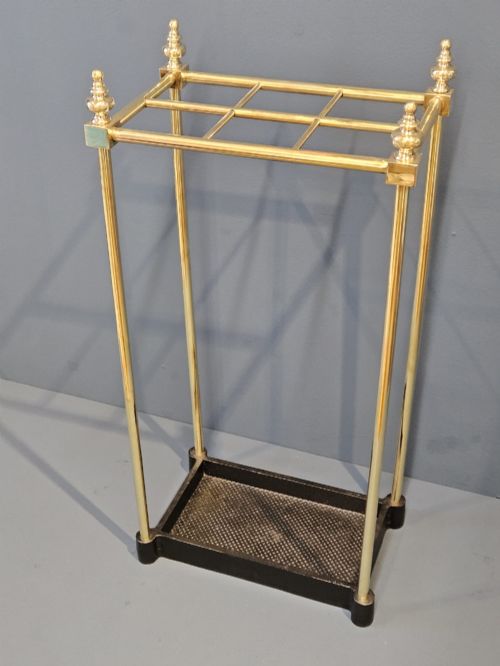
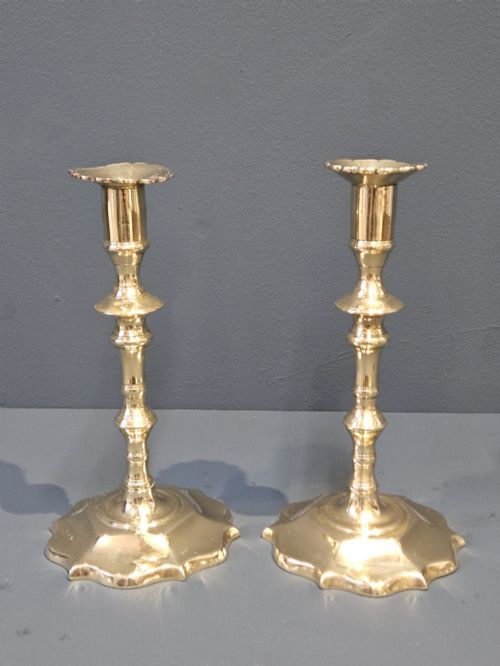
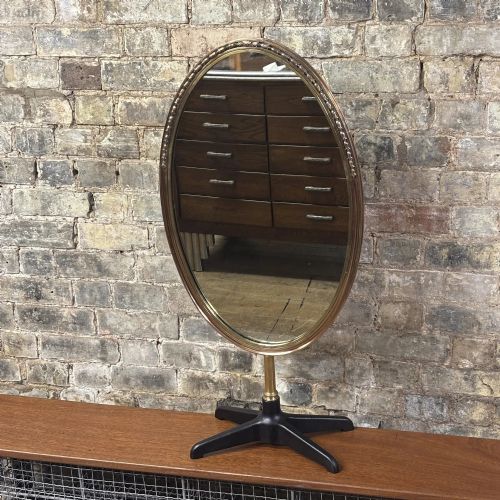
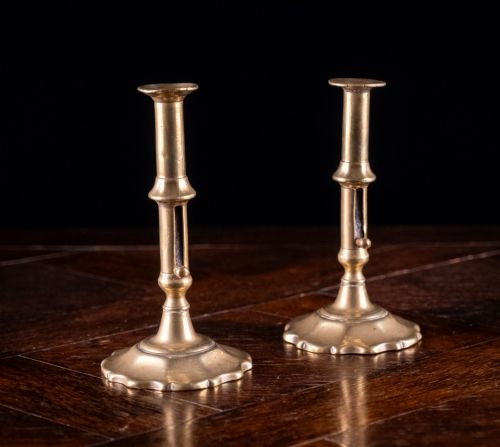
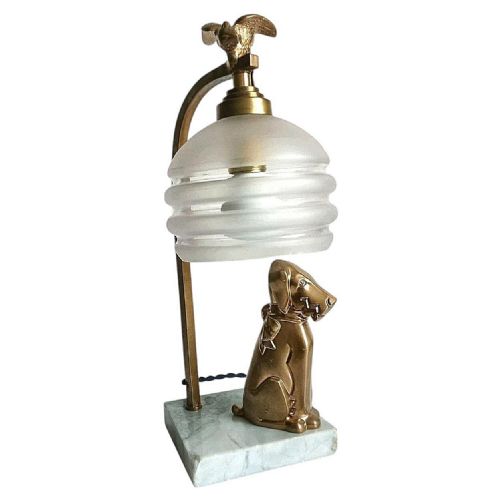
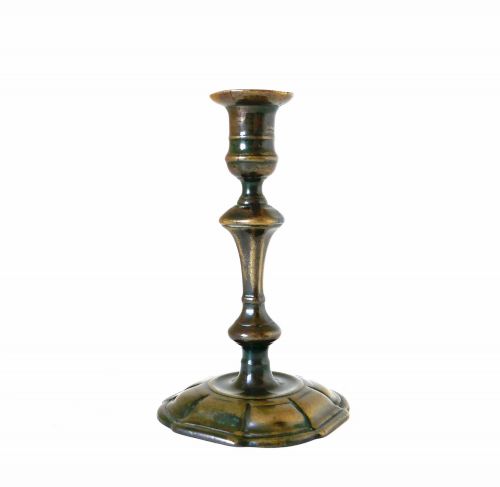
Candlesticks dominate the early periods, featuring petal, square, and column formations from the eighteenth century. Later examples introduce oil and electric lamps, stick stands, and dressing mirrors that incorporate iron or marble alongside the primary metalwork.
How they were made
The objects combine cast brass components with materials such as cast iron, bronze, glass, marble, and porcelain. Metalwork relies upon traditional casting techniques, yielding solid forms for candlesticks and structural frames for lamps and tables.
Patination and surface finishes vary, from bright polished metal to darkened patinated brass, gilt bronze, and painted details. Makers occasionally combined brass with wood, pine, or slatted iron to construct furniture bases and display stands.
Cast Brass Base Retail Price Guide 2026
Typical asking prices for cast brass base among the pieces listed under this phrase on Sellingantiques today, from the lower quarter to the upper quarter. They describe what is for sale here now, not the wider market.
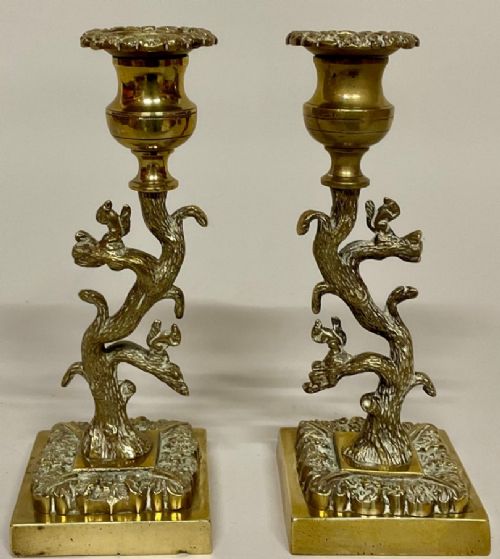
Squirrels occasionally scamper up cast bronze tree branches on Regency candlesticks, keeping watch over the candles.
What varies in quality
Quality rests upon the crispness of the casting and the weight of the metal. Finer examples display sharp detailing in floral openwork, sculptural branches, or architectural columns, whereas lesser pieces show softer contours and simpler assemblies.
The integrity of the construction and the matching of pairs also separate standard items from superior works. Original patination and the survival of secondary materials like opaline glass or marble sections elevate the standing of a piece.
J.T. & Co·Wm. Tonks & Sons·Joseph Hinks
The Cast Brass Base Glossary
- Cast brass
- Molten alloy poured into a mould to create solid or hollow decorative and structural components. This technique allows for intricate ornamentation on candlesticks and lamp bases.
- Campana sconce
- A bell-shaped socket at the top of a candlestick or lamp that holds the candle or bulb fitting. It is frequently seen on Georgian and Regency metalwork.
- Petal base
- A foot shaped to resemble overlapping floral petals, popular on eighteenth-century candlesticks. This form adds stability while providing decorative contouring.
- Baluster form
- An architectural support shaped with a swelling lower portion tapering upward. This profile appears on nineteenth and twentieth-century table and wall lamps.
- Gilt bronze
- Bronze treated with a gold or gilt surface layer to impart a rich metallic sheen. It appears on decorative sculptural pieces and French lighting.
Cast Brass Base: Frequently Asked Questions
How do I date a brass candlestick?
Dating relies upon structural clues such as base shape, manufacturing seams, and stem profiles. Eighteenth-century examples often feature petal or square bases with multi-component construction, while later Victorian pieces show heavier cast columns and machine finishing.
Examining the metal composition and the wear around the base provides further context regarding the era of manufacture.
Are these lamps originally electric?
Many lamps originating from the nineteenth and early twentieth centuries began as oil lamps or candlesticks before conversion to electricity. Transitional pieces often retain original burners, columns, or opaline fonts adapted for modern use.
Checking the wiring and internal fittings helps determine the extent of later alterations.
What is the difference between brass and bronze?
Brass is primarily an alloy of copper and zinc, yielding a brighter golden hue suitable for polished candlesticks and decorative bases. Bronze is an alloy of copper and tin, producing a darker, harder material often used for sculptural elements.
Both metals appear frequently across the listed periods, sometimes combined within a single object.
How should I clean a cast brass base?
Maintenance depends upon whether the piece retains an original patination or a polished finish. Gentle dusting with a soft cloth preserves historic surfaces, while active polishing is generally reserved for unlacquered brass items requiring brightness.
Harsh chemical cleaners should be avoided to protect aged metal surfaces and integrated marble or porcelain components.