
Carved Writing Cabinet
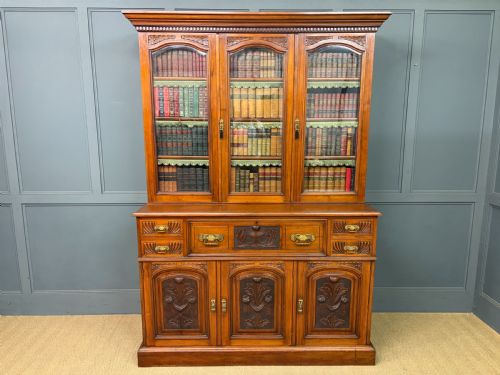
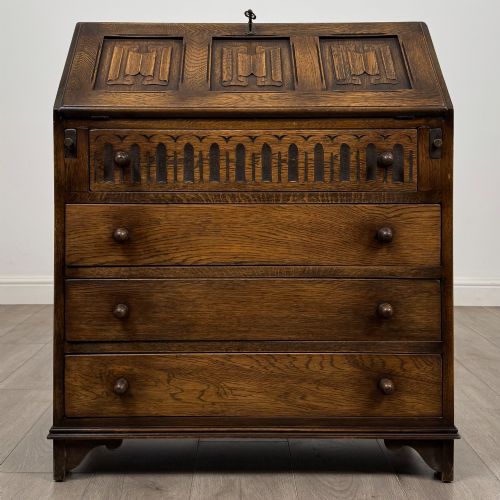
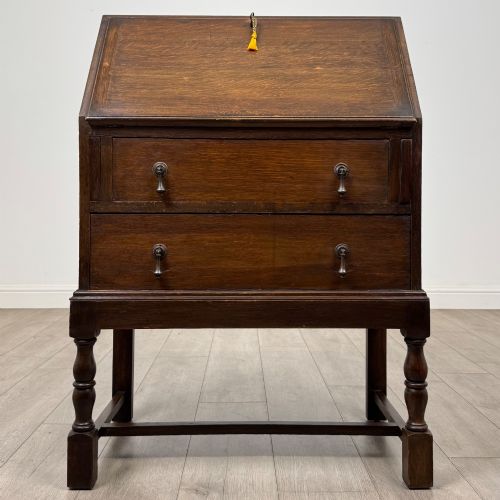
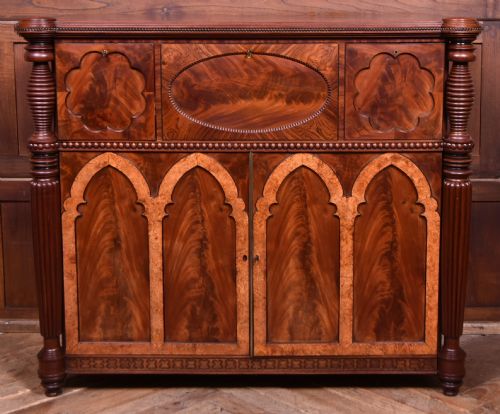
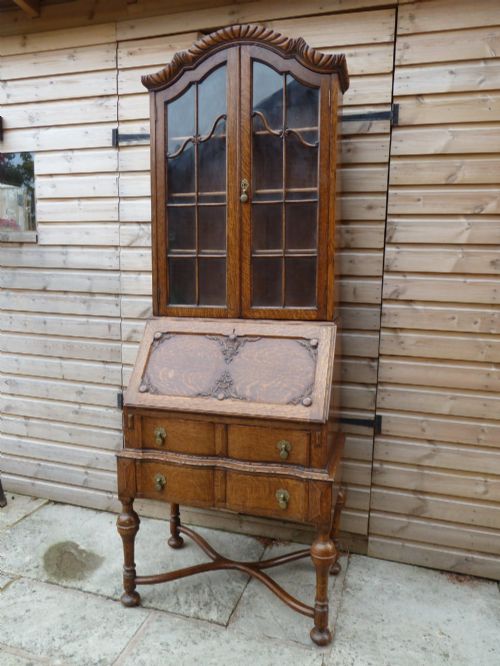
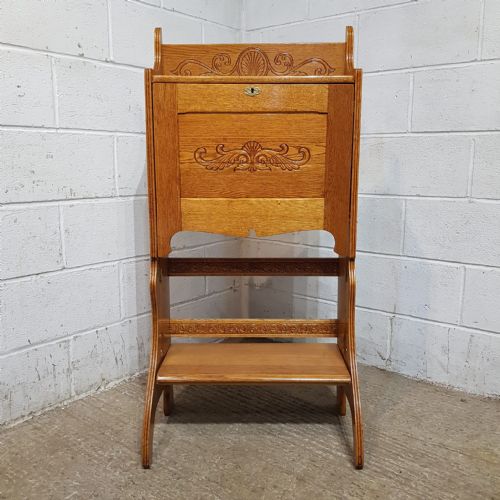
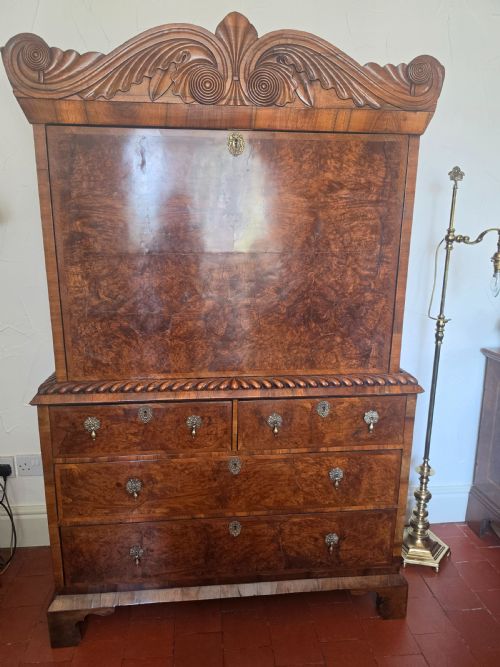
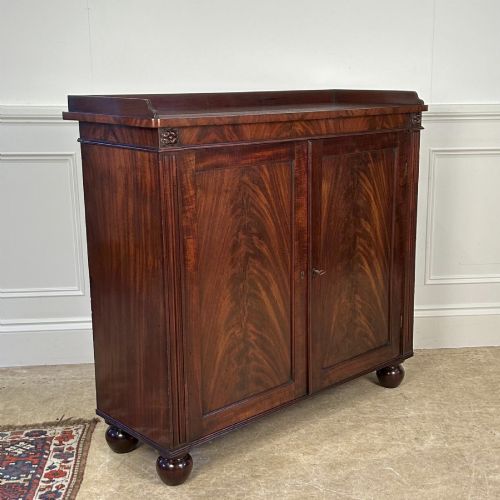
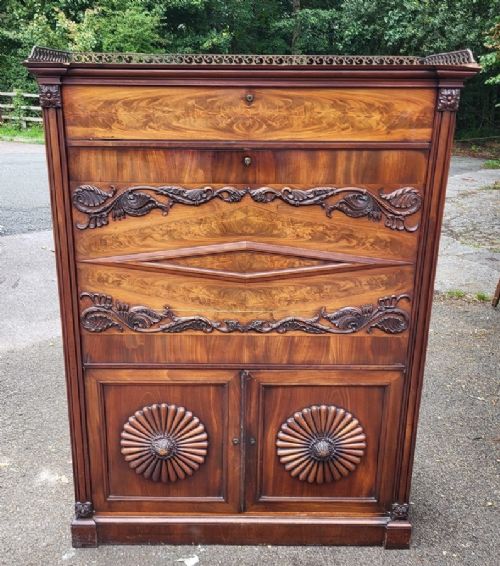
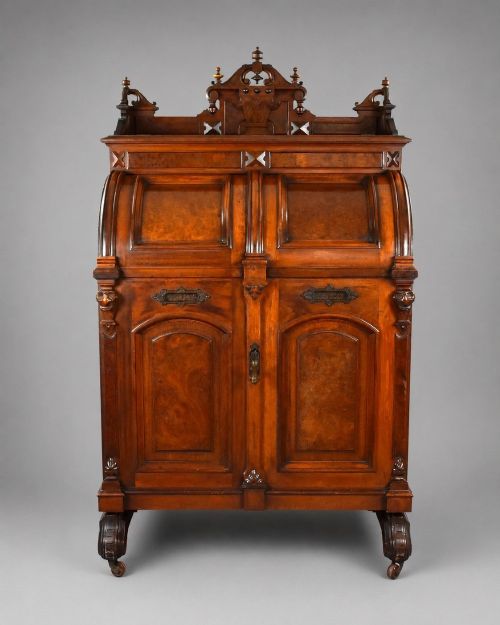
A carved writing cabinet brings together storage and a fitted desk, offering drop-down writing surfaces and carved panels.
Carved Writing Cabinet
A carved writing cabinet is a piece of furniture designed for correspondence and storage, combining a writing surface with compartments, drawers, or bookcases. The search phrase encompasses forms such as bureaux, secretaire bookcases, davenports, and cabinet writing desks.
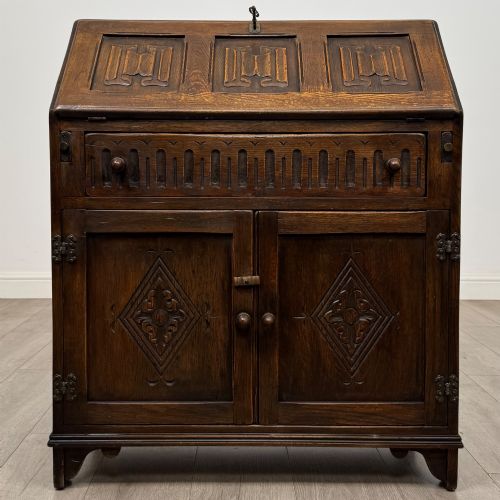
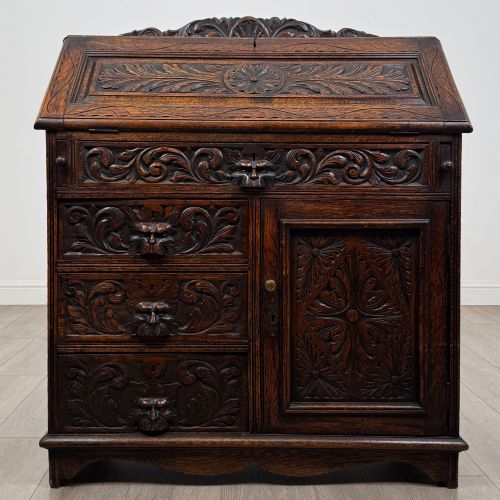
The versions most frequently met on this page date from the Victorian and Edwardian eras, alongside pieces from the nineteenth century and the twentieth century. These include oak pieces featuring linenfold or Green Man carving, alongside walnut and mahogany designs.
Makers and workshops utilised various formats, from compact davenports to large bureau bookcases and secrétaires. Buyers encounter regional variations and revival styles, including Tudor Revival, Jacobean Revival, and Arts and Crafts examples.
How they were made
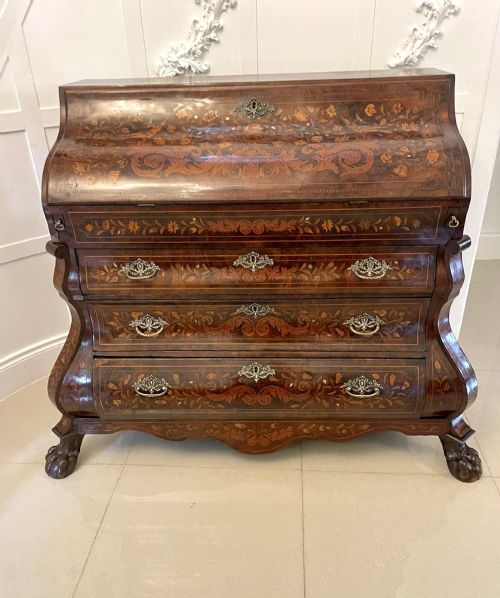
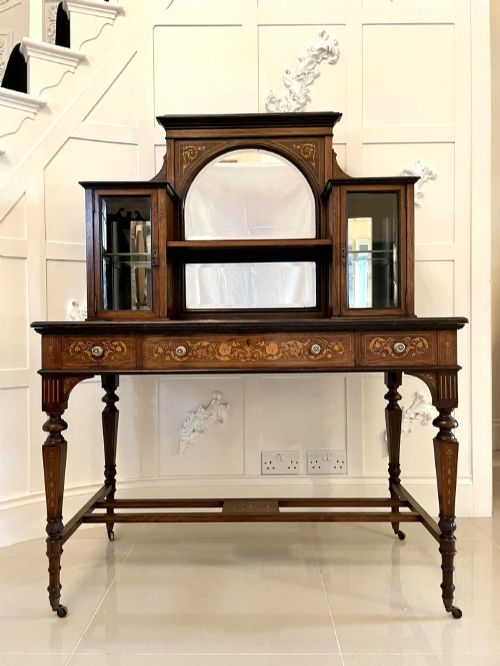
Cabinet makers utilised timbers such as oak, walnut, burr walnut, mahogany, and rosewood, often applying veneers and floral marquetry to primary surfaces. Structural elements and decorative panels frequently incorporate carved details, brass hardware, and leather writing inserts.
Construction techniques evolved across periods, involving framed panels, dovetailed drawers, and hinged writing slopes or fall-front flaps. Interior compartments use small drawers and pigeonholes arranged around central recesses.
Some Victorian davenports conceal pop-up stationery compartments that rise like mechanical toast.
What varies in quality
The standard of a carved writing cabinet depends on the depth and crispness of the carving, the selection of timber veneers such as burr walnut or flame mahogany, and the integrity of the internal fittings. Superior examples display precise joinery and well-figured grain.
Construction details such as drawer linings, original brass mounts, and the complexity of the interior stationery compartments distinguish standard production items from workshop pieces attributed to makers like Gillows.
Gillows
The Carved Writing Cabinet Glossary
- Bureau
- A desk with a sloping hinged lid that covers compartments and pigeonholes for writing materials. This form appears frequently in oak and walnut.
- Secretaire
- A piece of furniture containing a drawer or compartment that pulls down or drops forward to form a writing desk. It often conceals a fitted interior with small drawers.
- Davenport
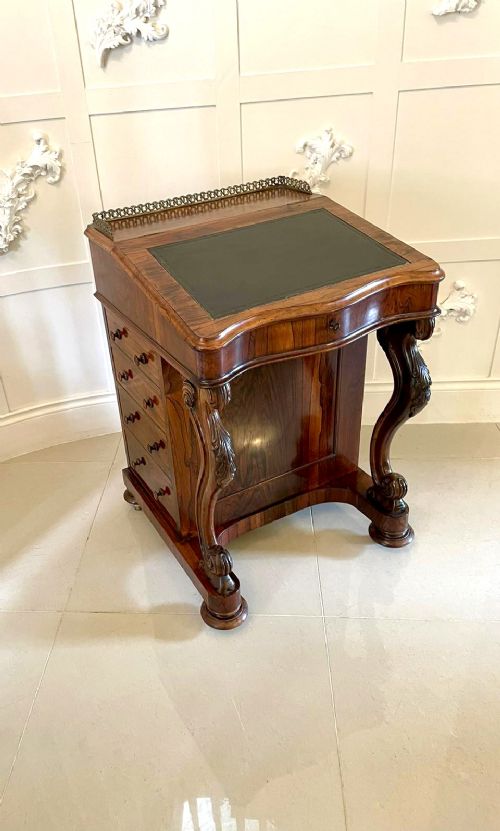
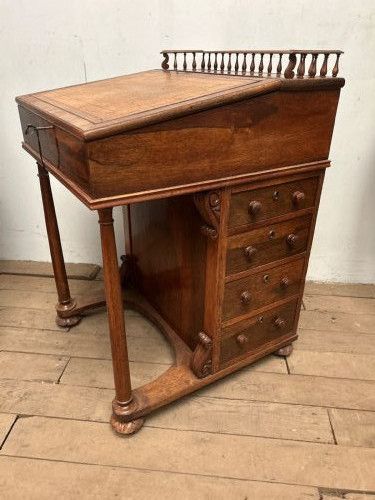
- A compact pedestal desk with a sloping writing surface, typically featuring drawers opening to one side. Victorian versions often incorporate pop-up mechanisms.
- Linenfold
- A style of wood carving that imitates folded linen, commonly seen on panels of oak pieces from the Tudor Revival and Edwardian periods.
- Marquetry
- The art of applying pieces of veneer to a structure to form decorative patterns and floral designs. It appears on walnut and rosewood surfaces.
Carved Writing Cabinet: Frequently Asked Questions
What is a secretaire bookcase?
A secretaire bookcase combines a shelved upper cabinet for books with a lower section housing a pull-down writing drawer or drop-front desk.
These pieces provide enclosed storage for volumes alongside a functional writing surface equipped with internal compartments.
How do I identify a davenport desk?
A davenport is a small, freestanding desk featuring a sloping writing top and a pedestal base with drawers opening to the side. They frequently include pen trays and stationery compartments.
Many examples date from the Victorian period and utilise walnut, rosewood, or mahogany.
What is linenfold carving?
Linenfold carving is a decorative motif that mimics the appearance of folded fabric, commonly carved onto wooden panels. It appears on oak furniture from various revival periods.
This technique adds texture to the flat surfaces of cabinets and bureaux.
How do I spot a Green Man carving?
A Green Man carving depicts a human face surrounded by or entwined with leaves, foliage, and vines. It appears on nineteenth-century oak furniture.
This decorative feature is associated with Victorian and revivalist woodwork.