

Carved Wooden Wall Plaque
A carved wooden wall plaque brings depth and texture to a room, drawing the eye with centuries of hand-chiselled detail.
Carved Wooden Wall Plaque
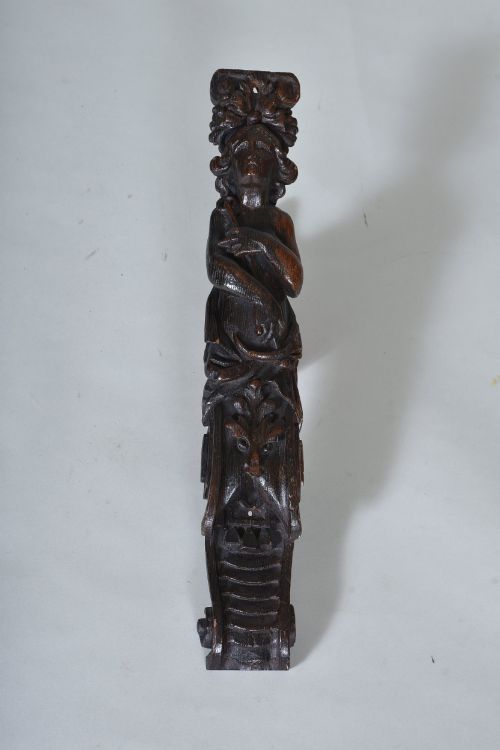
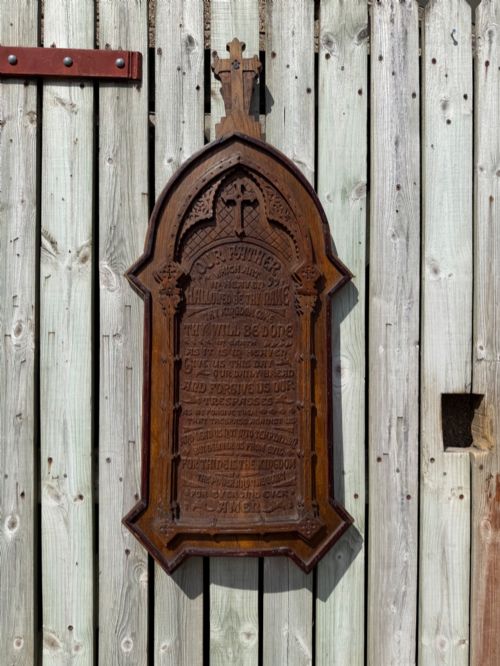
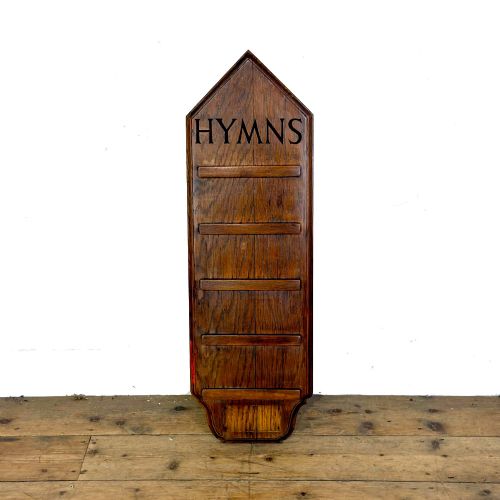
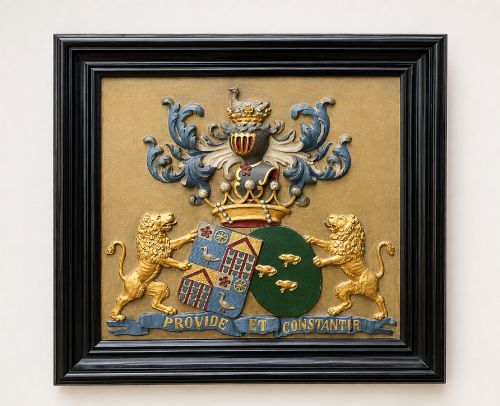
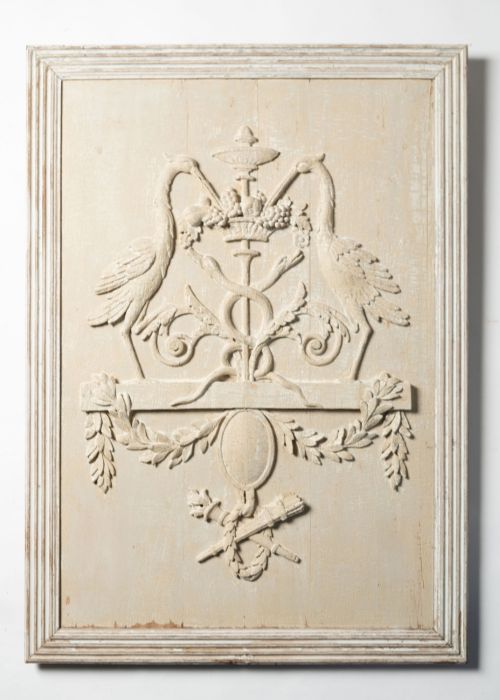
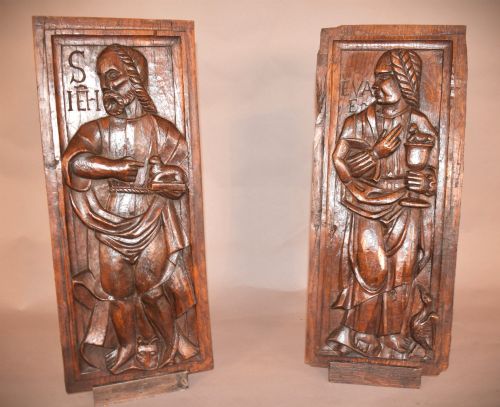
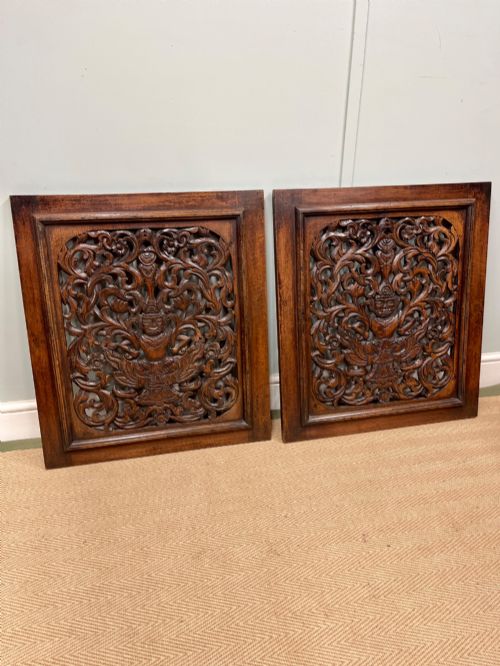
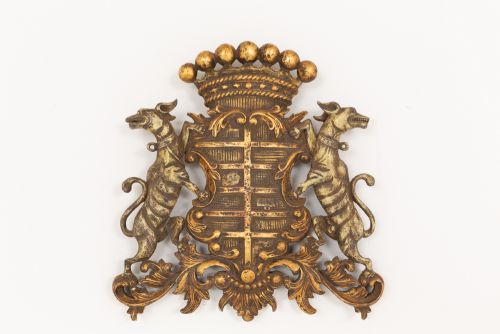
When you search for a carved wooden wall plaque, you encounter pieces that span centuries, originating from European workshops, British houses, and distant trading posts. These works take many structural forms, including architectural salvage, architectural panels, heraldic shields, and devotional reliefs.
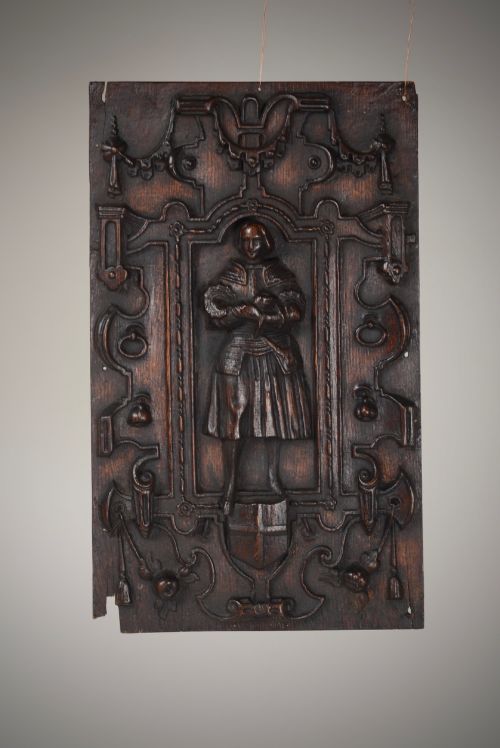
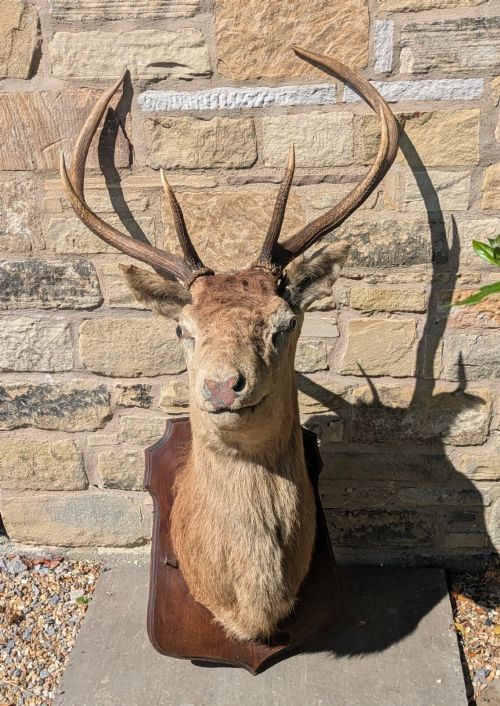
The versions most commonly met on this page range from heavy seventeenth-century oak panels to nineteenth-century Black Forest hunting trophies and intricate Chinese temple carvings. They transition easily from religious devotion and heraldry to naturalistic animal carvings and maritime signs.
How They Were Made
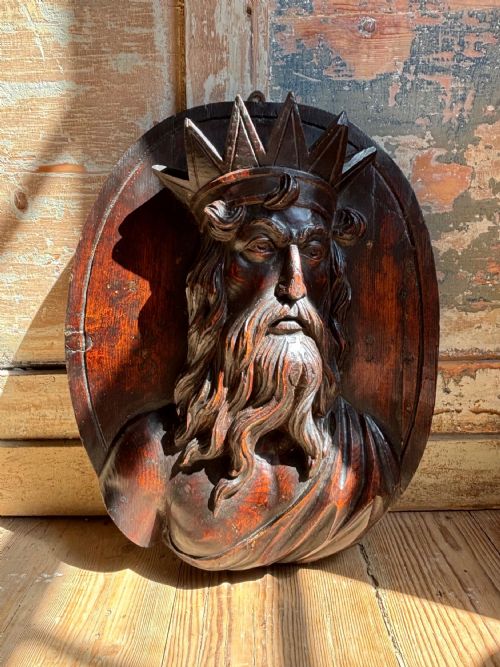
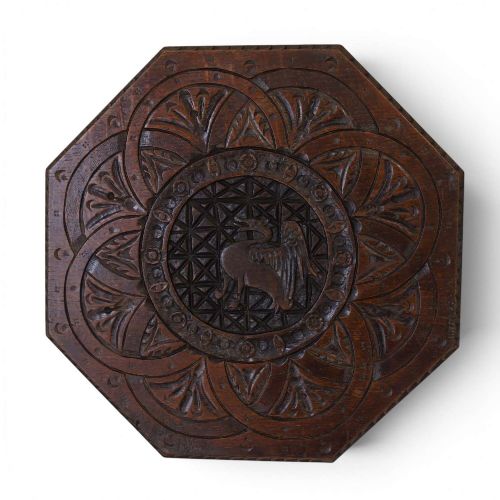
The makers relied primarily on dense timbers such as oak, chestnut, walnut, and assorted hardwoods, which provided a stable base for deep relief work. Artisans shaped these materials using hand chisels and gouges to build intricate pictorial depth across panels and plaques.
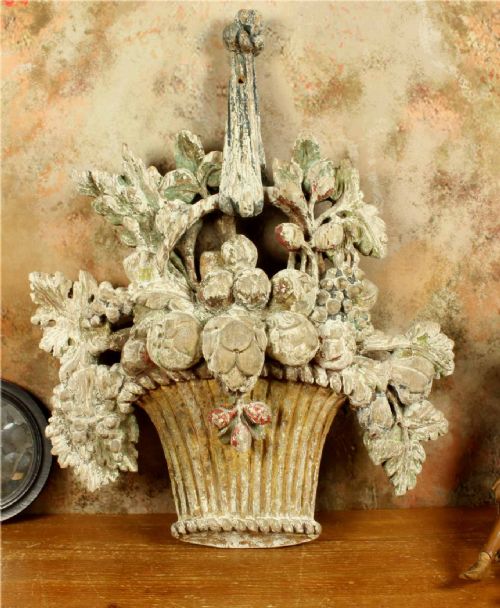
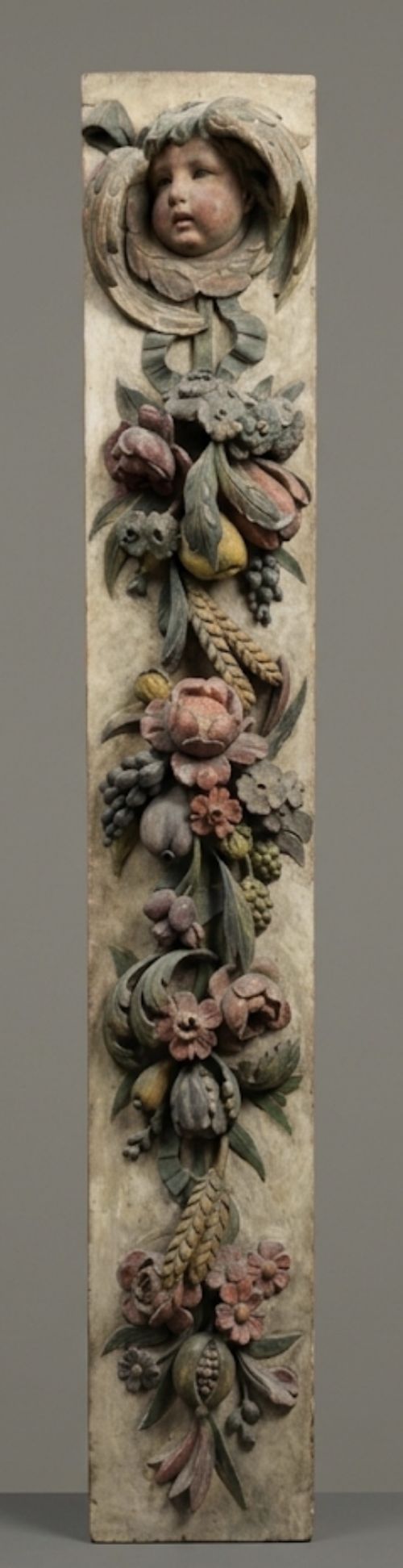
Surface treatments frequently involve applied gesso, polychrome paint, dark wax, or delicate applications of gold leaf and lacquer. These finishes protected the wood while accentuating the contours of figures, foliage, and heraldic motifs.
Listings for this phrase include materials such as oak, chestnut, walnut, fruitwood, gesso, paint, gold leaf, and lacquer across multiple centuries.
What Varies in Quality
The standard of a carved wooden wall plaque rests on the crispness of the chisel work and the anatomical or architectural proportions achieved by the maker. Superior examples display confident, deep undercutting that creates genuine shadow and perspective, whereas lesser items remain flat and stiff.
The integrity of the original timber and the retention of early surface treatments, such as untouched polychrome or historic gilding, elevate a piece. Evidence of dry rot, crude later alterations, or stripped surfaces diminish the visual impact and historical continuity of the carving.
The Carved Wooden Wall Plaque Glossary
- Gesso
- A plaster-like mixture applied to wood surfaces to provide a smooth base for painting or gilding. It allows for crisp secondary details to be moulded before decoration.
- Polychrome
- The practice of decorating architectural elements or wooden carvings in multiple colours. Historic pieces retain traces of original pigments beneath layers of wax.
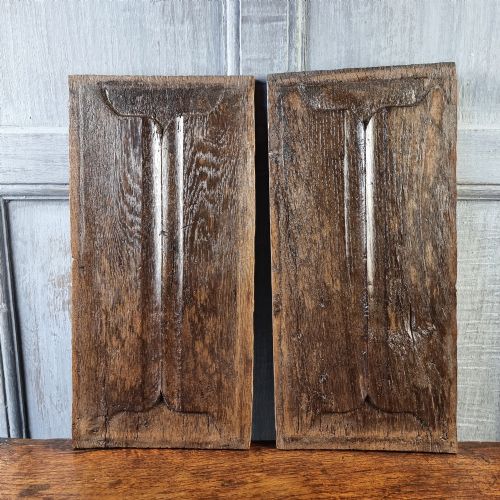
- Linenfold
- A style of wood carving that imitates folded linen cloth, popular on sixteenth and seventeenth-century panels. This geometric motif creates a textured surface of repeating vertical folds.
- Relief
- A sculptural technique where figures or patterns project from a flat background. High relief elements stand almost entirely free of the wooden panel behind them.
Carved Wooden Wall Plaque: Frequently Asked Questions
How do I hang a heavy wooden plaque?
Heavy panels require secure fixings anchored directly into wall studs or solid masonry using appropriate brackets. Distributing the weight evenly prevents stress on the historic timber.
Avoid relying on simple picture wire attached to older mounting points unless those fittings have been inspected and reinforced by a professional conservator.
What is a Black Forest carving?
Black Forest carvings originate from the mountainous region of central Europe, renowned for highly naturalistic depictions of animals and foliage. These pieces often feature bears, stags, and hunting dogs integrated into plaques and wall trophies.
Carvers utilised native softwoods and hardwoods to create dramatic three-dimensional scenes intended for hunting lodges and country houses.
How do I tell seventeenth-century oak from later copies?
Early seventeenth-century oak displays distinctive surface characteristics, including medullary rays and tool marks left by pit saws and hand chisels. The timber develops a deep, dry patina through centuries of exposure to air and light.
Later revival pieces often feel more uniform in colour and texture, lacking the authentic wear patterns and shrinkage distortion found in genuine period panels.