

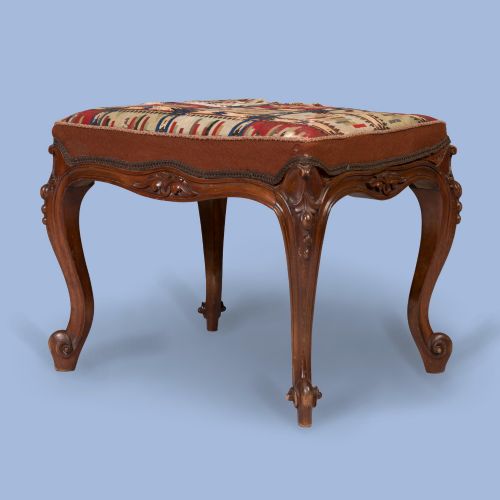
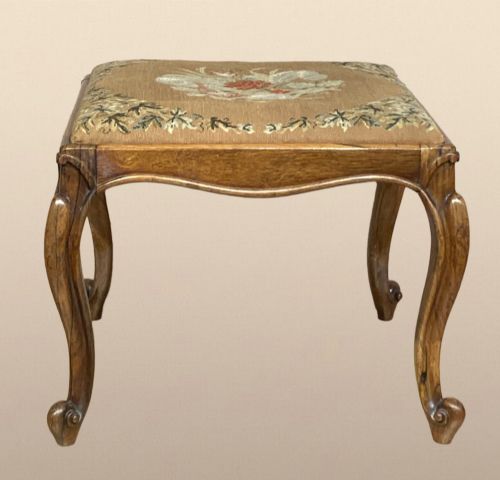


Carved Wooden Vanity Seat
A carved wooden vanity seat is a small, low-slung perch designed for the dressing table, offering both comfort and craftsmanship.
Carved Wooden Vanity Seat
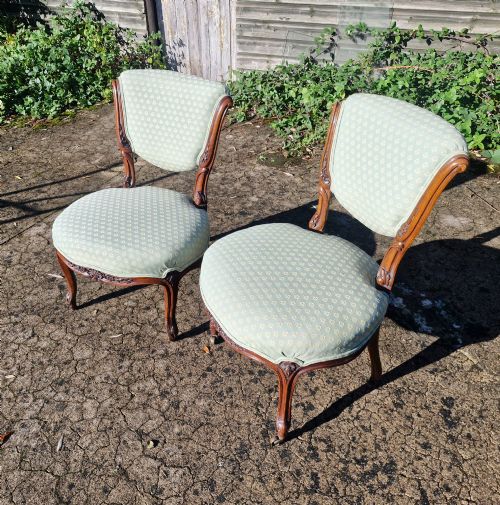
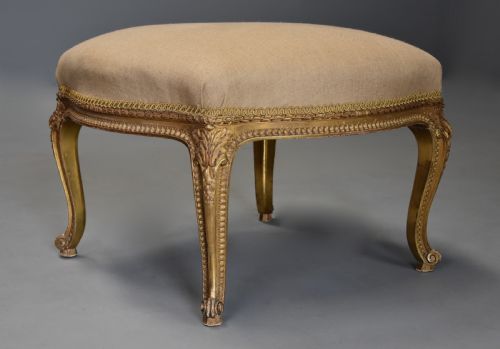
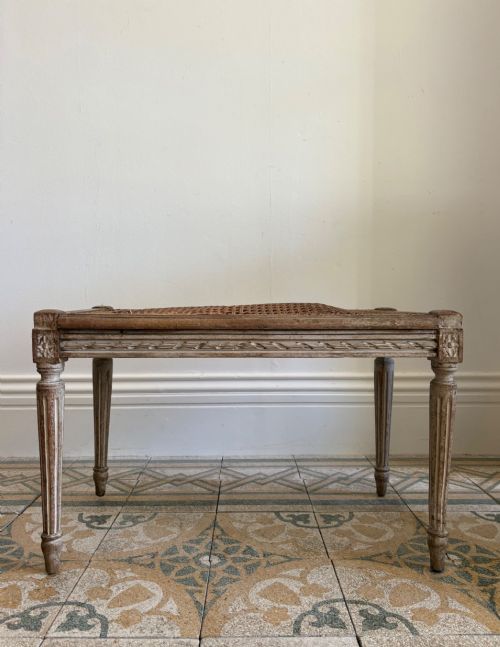
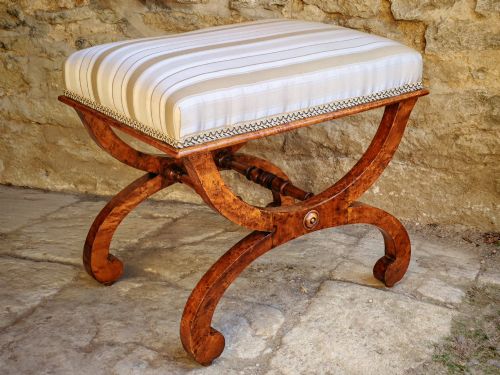
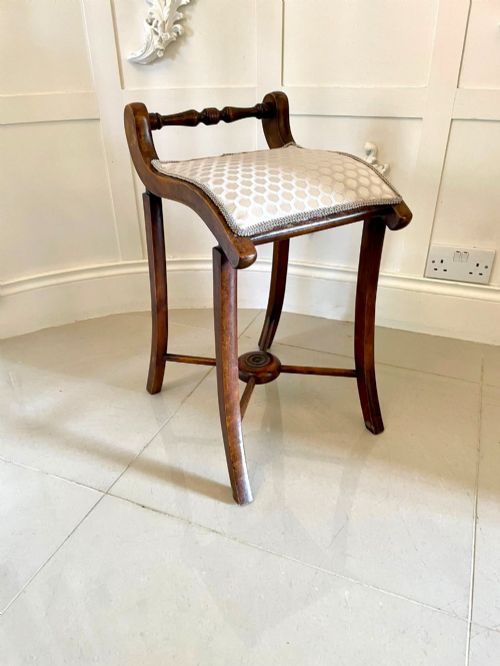
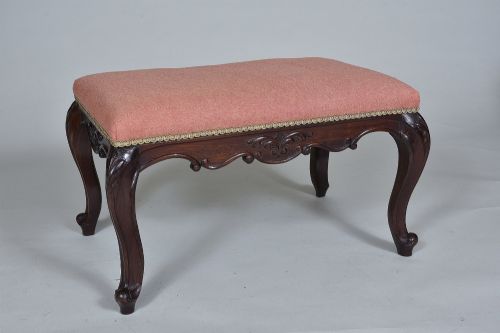
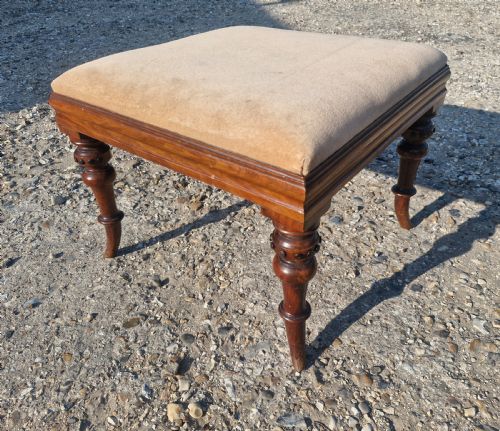
A carved wooden vanity seat serves as a compact and decorative item placed before dressing tables or in bedrooms. These pieces appear in forms such as stools, footstools, music chairs, and side chairs.
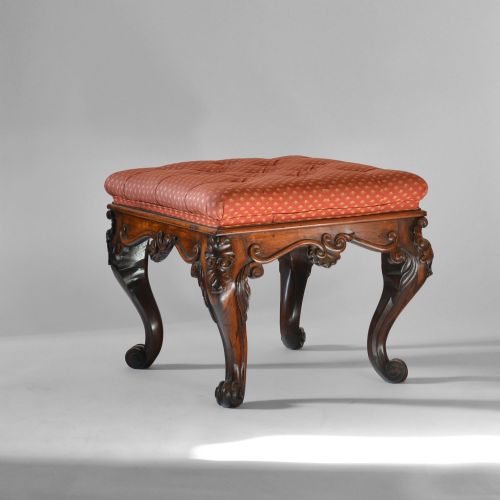
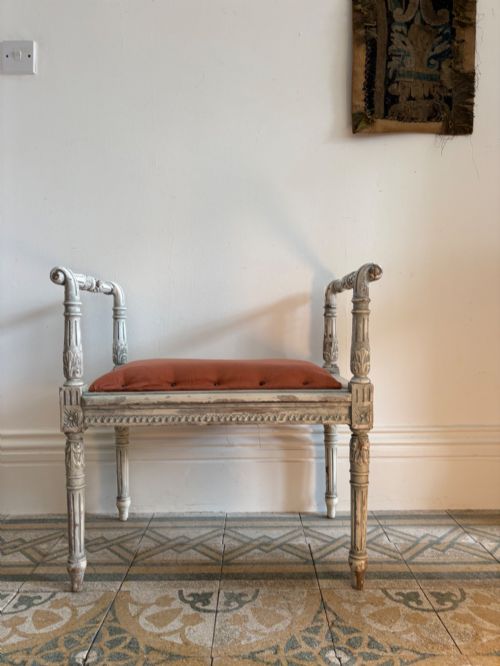
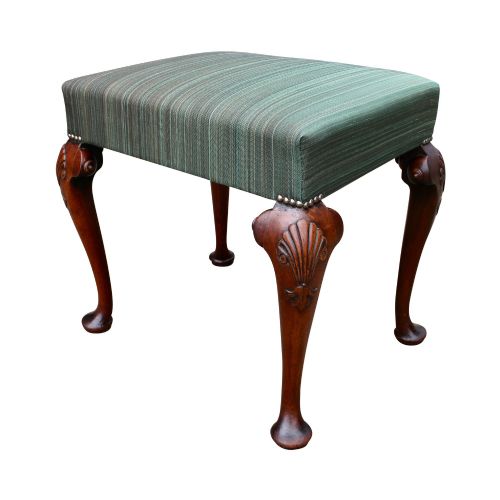
The selection ranges from Victorian walnut frames and mahogany cabriole leg designs to French Provincial, Gustavian Neoclassical, and Anglo-Indian variants. Walnut and mahogany dominate the offerings alongside rosewood, painted wood, teak, and oak.
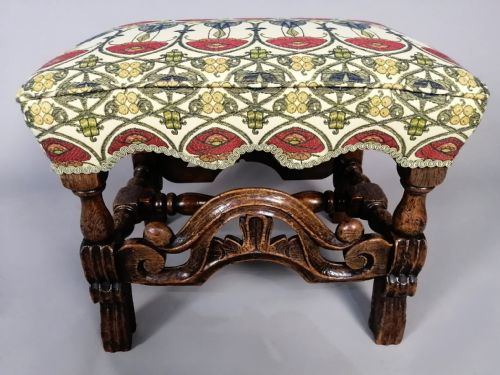
Production dates span the nineteenth century, the Victorian era, and into the early twentieth century around nineteen twenty. Buyers commonly encounter walnut stools featuring upholstered tops, needlepoint, silk, tapestry, or woven rattan.
Materials and construction methods
Cabinet makers utilised dense hardwoods including walnut, mahogany, rosewood, teak, and oak to build sturdy frames capable of supporting intricate hand-carved ornamentation. Ebonised finishes and white painted surfaces also appear across specific regional styles like the Gustavian or Aesthetically influenced pieces.
Joinery techniques relied on traditional framing methods, often incorporating cabriole legs, carved backs, or revolving mechanisms for piano and music stools. Seats were constructed using textile covers such as linen, silk, wool tapestry, and original needlepoint stretched over upholstery.
Carved Wooden Vanity Seat Retail Price Guide 2026
Typical asking prices for carved wooden vanity seat among the pieces listed under this phrase on Sellingantiques today, from the lower quarter to the upper quarter. They describe what is for sale here now, not the wider market.
Some nineteenth-century makers built revolving grotto stools with secret swivels, perfect for energetic pianists who spun while they played.
Evaluating quality and execution
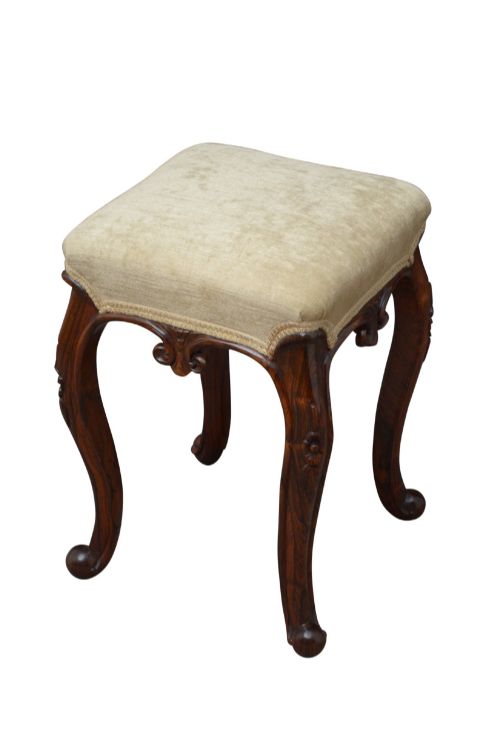
The calibre of a carved wooden vanity seat rests upon the crispness and depth of the timber carving on the frame. Superior examples display fluid, hand-carved motifs on cabriole legs and rails rather than shallow, mechanical shaping.
Material selection and upholstery preservation also define the hierarchy. Solid walnut and rosewood frames paired with period textiles like needlepoint or silk elevate the standing of a piece compared to simpler secondary woods or replaced covers.
The Carved Wooden Vanity Seat Glossary
- Cabriole leg
- A furniture leg that bends outward in a convex curve and tapers inward to a foot, typical of eighteenth-century and revival styles. This profile mimics animal limbs and adds elegance to small seating.
- Gustavian Neoclassical
- A Swedish interpretation of French neoclassical design characterised by light painted finishes and restrained classical motifs. These pieces bring a bright, orderly aesthetic to interior spaces.
- Needlepoint
- Embroidery stitched on canvas to create durable and decorative seat covers. Period needlepoint provides texture and historic character to stool tops.
- Grotto stool
- A heavily carved seating form featuring rustic or shell-like motifs inspired by natural grottoes. These distinctive seats often incorporate revolving mechanisms or ornate woodwork.
- Ebonised
- Wood treated with a chemical stain or finish to imitate ebony. This dark, polished surface was popular in nineteenth-century decorative furniture.
Carved Wooden Vanity Seat: Frequently Asked Questions
Where were carved wooden vanity seats placed?
These seats were positioned primarily in bedrooms or dressing rooms in front of dressing tables for daily grooming. They also served as piano stools or flexible seating in parlours.
Because of their compact size, owners easily moved them around domestic spaces as needed for additional seating or foot support.
How do I identify a Victorian vanity seat?
Victorian examples frequently utilise walnut or mahogany with characteristic cabriole legs and substantial carved wooden frames. They often feature upholstered tops covered in textile, needlepoint, or velvet.
Many of these pieces date from the mid-nineteenth century onward, reflecting changing domestic fashions and the widespread use of revival styles.
What is the difference between a stool and a music chair?
Stools provide a stationary perch with a fixed or adjustable height top supported by a solid wooden frame. Music chairs and piano stools often incorporate swivel mechanisms or carved backs for seated support during performance.
Both forms utilise similar hardwoods like walnut and rosewood but serve different functional roles within the Victorian parlour.
How do I care for antique upholstery on a seat?
Preserving original textiles like silk, tapestry, or needlepoint requires gentle vacuuming with a low suction attachment through a mesh guard. Avoid direct sunlight to prevent fading of the historic fabric.
Treat the wooden frame separately using appropriate wax polish while keeping moisture away from fragile textile edges.
What distinguishes Gustavian seats from Victorian pieces?
Gustavian pieces originate from Sweden and feature light painted wood finishes with restrained neoclassical detailing. They offer a much brighter, simpler aesthetic than their British Victorian counterparts.
Victorian furniture typically showcases darker polished timbers like walnut and mahogany with heavier, more exuberant revival carving.