

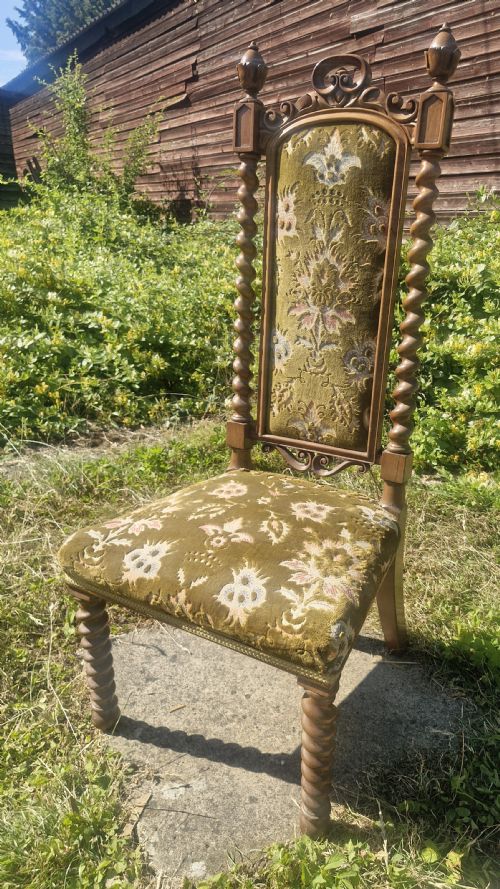


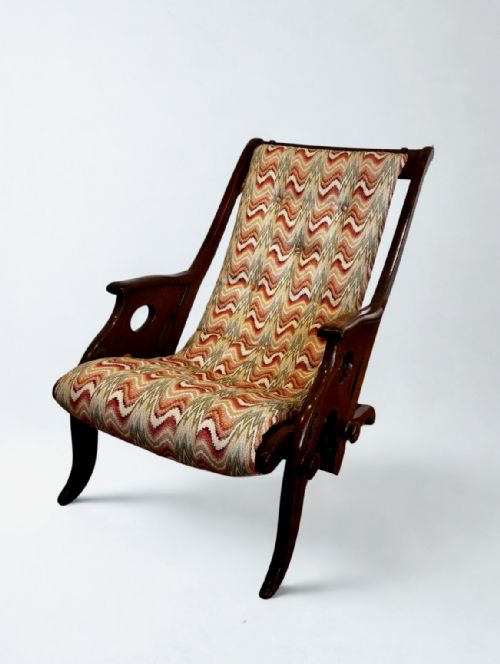


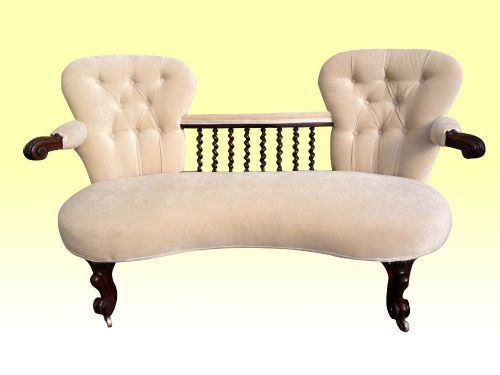


Rosewood Style Seat
A rosewood style seat brings rich timber grain and classic craftsmanship into a room, offering both practical seating and historic character.
Rosewood Style Seat
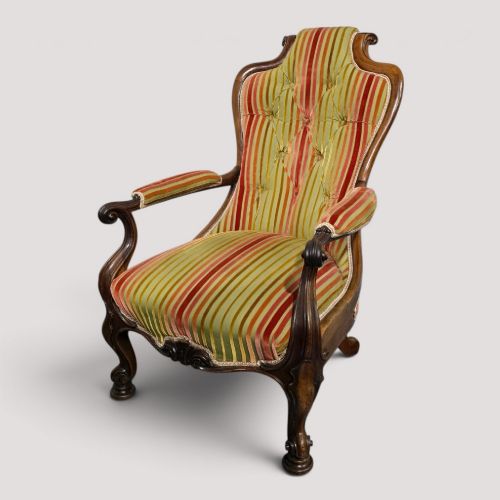
A rosewood style seat encompasses a diverse group of historical chairs, benches, and settees originating from the nineteenth and early twentieth centuries. These pieces display distinct influences ranging from Regency and William IV periods to traditional Chinese Qing Dynasty craftsmanship.
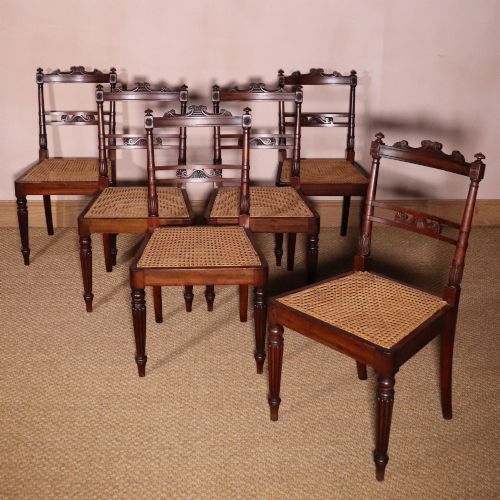
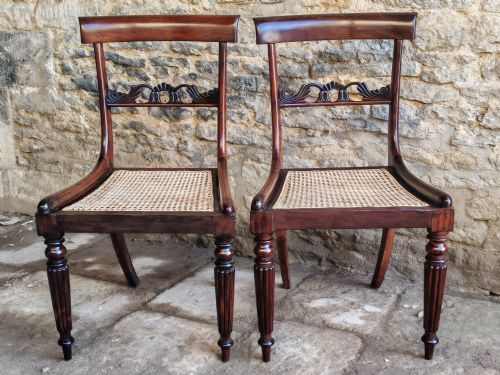
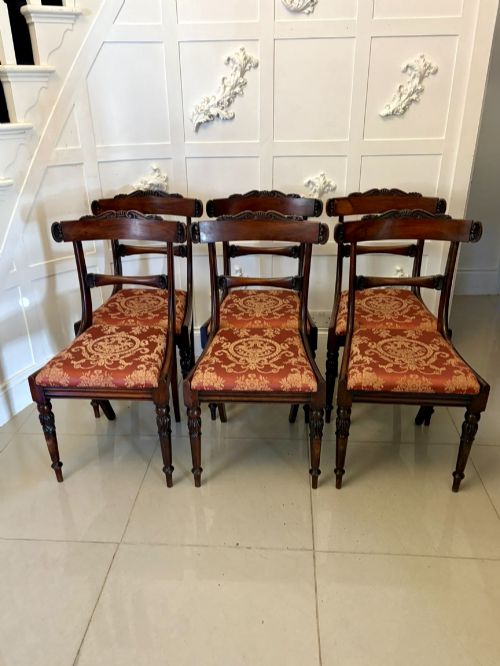
Buyers encounter various forms on this page, including dining chairs, armchairs, benches, and settees. Many examples utilise solid rosewood or hardwood, paired with cane seating, velvet upholstery, or brass details.
The selection ranges from European Gothic Revival and French fauteuils to Anglo-Indian elbow chairs and Huanghuali wood benches. Each item reflects the specific decorative tastes and seating requirements of its original era.
How these seats were made
Cabinet makers utilised dense timbers such as rosewood, huali, and huanghuali, often shaping them with carved details or brass inlay. Solid construction methods ensure the structural integrity of these frames survives across centuries.
Seating surfaces incorporate traditional materials like woven cane, textile upholstery, and deep buttoned velvet. Frame styles reflect regional woodworking traditions, from European cabriole legs to intricate Chinese Qing Dynasty carvings.
Rosewood Style Seat Retail Price Guide 2026
Typical asking prices for rosewood style seat among the pieces listed under this phrase on Sellingantiques today, from the lower quarter to the upper quarter. They describe what is for sale here now, not the wider market.
Listings feature items from the Regency, William IV, and Victorian periods alongside Qing Dynasty Chinese furniture.
What varies in quality
Quality in a rosewood style seat lies in the crispness of the timber carving and the integrity of the wood selection. Superior pieces display finely detailed joinery and well-preserved original grain beneath the finish.
The refinement of secondary elements, such as brass inlay, hand-woven cane work, or period upholstery, distinguishes standard production from exceptional examples. Maker attribution also elevates the standing of specific pieces.
J. Herbert McNair·Gillows
The Rosewood Style Seat Glossary
- Rosewood
- A dense, heavy timber prized for its dark grain and smooth finish. It forms the primary material for many formal nineteenth-century chairs and settees.
- Cane
- Woven material utilised for seat panels, offering a flexible and breathable surface. It appears frequently on nineteenth-century benches and chaise longues.
- Fauteuil
- An open-armed French armchair with upholstered back and arm pads, typically featuring exposed wooden framing. Pairs of these chairs appear in nineteenth-century collections.
- Gothic Revival
- An architectural and decorative style drawing inspiration from medieval design. Pieces in this category often feature pointed arches and heavy timber mouldings.
Rosewood Style Seat: Frequently Asked Questions
How do I care for rosewood furniture?
Keep wooden seating away from direct heat sources and strong sunlight to prevent the timber from drying out or splitting. Dust the surface regularly with a soft, dry cloth.
Avoid using silicone-based polishes or harsh chemical sprays, which can damage the traditional finish. Maintaining stable room humidity preserves the condition of both the wood and any cane panels.
Can I use these antique chairs daily?
Many nineteenth-century dining chairs and armchairs remain structurally sound for regular use. Solid timber construction provides the durability required for everyday seating.
Heavier usage may require checking the stability of older joints or updating upholstery fabrics. Consulting a specialist ensures the structural integrity supports modern weight expectations.
What is a window seat?
A window seat is a long bench or low settee designed to fit within a window recess. These pieces offered a convenient place to sit near natural light for reading or needlework.
Examples range from upholstered Victorian designs to wooden Chinese window stools. They function effectively today as hallway furniture or room accents.
How do I identify a Regency chair?
Regency seating often incorporates classical motifs, saber legs, and occasional brass inlay. The proportions tend to reflect classical Greek and Roman design influences.
Woods like rosewood or mahogany receive dark finishes to emphasise clean lines. Examining the joinery and hardware helps confirm the nineteenth-century production period.