




Carved Wooden Treen Spoon
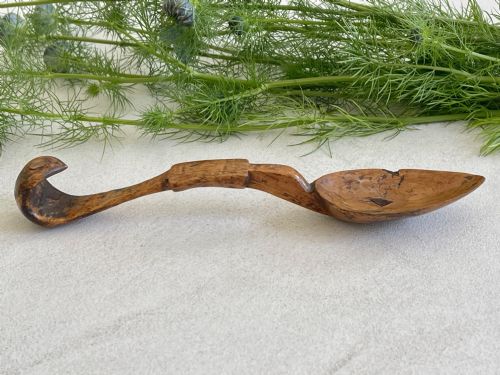
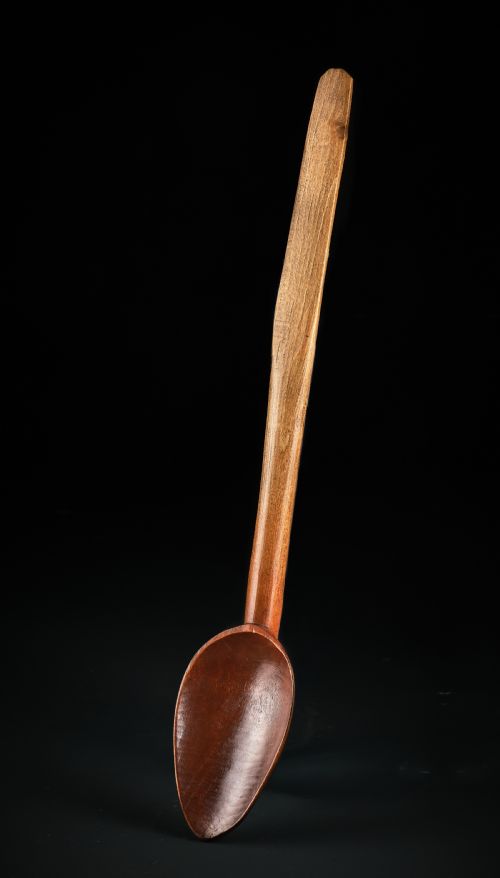
These carved wooden treen spoon items are domestic utilities and sentimental tokens fashioned by hand from various timbers over past centuries.
Carved Wooden Treen Spoon
Buyers encounter functional kitchenalia alongside sentimental items such as lovespoons, christening spoons, and snuff spoons. These objects reflect both everyday domestic life and specific cultural customs of the periods.
Forms range from simple sycamore scoops and beechwood basting spoons to intricately carved fruitwood and yew-wood lovespoons bearing botanical motifs. Each piece serves as a tangible link to historical handcraft.
How they were made
Maker's work exclusively with timber, selecting close-grained hardwoods such as sycamore, fruitwood, beech, yew, and cherry. These materials allow for smooth shaping and durable utility.
Makers employ hand-carving techniques utilising gouges and knives to shape bowls and handles from solid timber. Details like engraved patterns and applied hooks emerge entirely through manual dexterity.
One eighteen-nineties Welsh example cleverly combines sugar tongs and a love spoon into a single carved wooden token.
What varies in quality
The sophistication of the carving separates standard utensils from finer display pieces, particularly evident in the depth of relief on lovespoons and handles. Crisp lines in botanical motifs indicate superior hand control by the maker.
Patina and surface preservation significantly influence the character of each piece. Items retaining natural wear from historic use alongside deep, warm patination demonstrate greater longevity and desirable ageing.
The Carved Wooden Treen Spoon Glossary
- Treen
- Small handmade wooden domestic objects and utensils. This collective term spans items from kitchen ladles to decorative lovespoons.
- Lovespoon
- A traditionally decorative wooden spoon carved as a token of affection. These often display intricate motifs such as vines and dates.
- Kitchenalia
- Domestic utensils and equipment collected for their antique utility and aesthetic. Examples include basting spoons, scoops, and egg bowl ladles.
- Patina
- The surface sheen and colour developed through handling, age, and use over centuries. A good patina indicates genuine historic character.
- Folk art
- Utilitarian and decorative objects made by rural artisans outside formal academic traditions. This includes regional styles from Wales, Switzerland, and Scandinavia.
Carved Wooden Treen Spoon: Frequently Asked Questions
How were lovespoons used?
Lovespoons served primarily as romantic tokens rather than functional kitchen utensils. Suitors carved them to demonstrate their woodworking skill and affection for a prospective partner.
Many examples feature symbolic motifs such as hearts, chains, and leaves carved from a single piece of timber. Families often displayed them on walls within the home.
What woods were commonly used?
Makers utilised dense regional hardwoods that could hold fine detail without splintering. Sycamore, fruitwood, beech, yew, and cherry appear frequently across the collection.
Selection depended on local availability and the intended purpose of the spoon. Harder timbers ensured durability for kitchen utilities while allowing smooth surfaces for decorative carving.
How do I date an antique spoon?
Dating relies on stylistic clues, recorded provenance, and occasional carved dates or initials on the timber. Regional folk art traditions often changed slowly over the eighteenth and nineteenth centuries.
Examining the tool marks, wood species, and wear patterns helps place an item within a specific century. Comparison with dated examples provides a reliable framework for age.