



Antique Snuff Accessories
Antique snuff accessories bring pocket-sized craft to daily habits, offering everything from silver boxes to horn mulls for personal use.
Antique Snuff Accessories
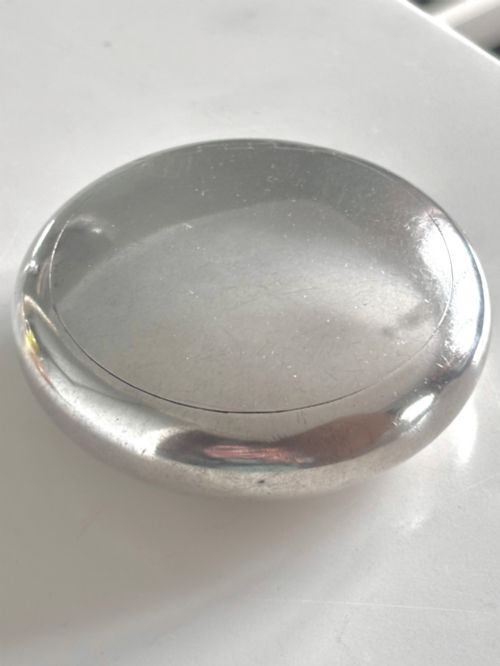
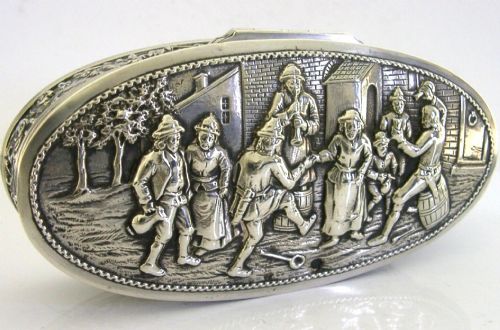
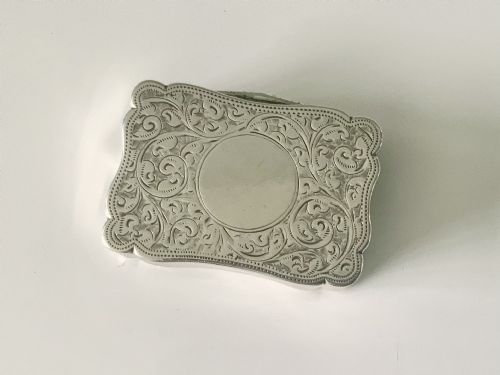
Antique snuff accessories encompass small containers and implements designed to hold, carry, or dispense tobacco preparations across the Georgian and Victorian eras. Buyers seeking these items encounter a variety of forms, predominantly pocket and table boxes, alongside specialised vessels like mulls and vinaigrettes.
Beyond standard boxes, the category includes functional pocket implements such as horn glove powderers, treen snuff spoons, and nutmeg graters intended for personal grooming and tobacco use. These diverse objects highlight the varied domestic habits of past centuries through durable materials.
How they were made
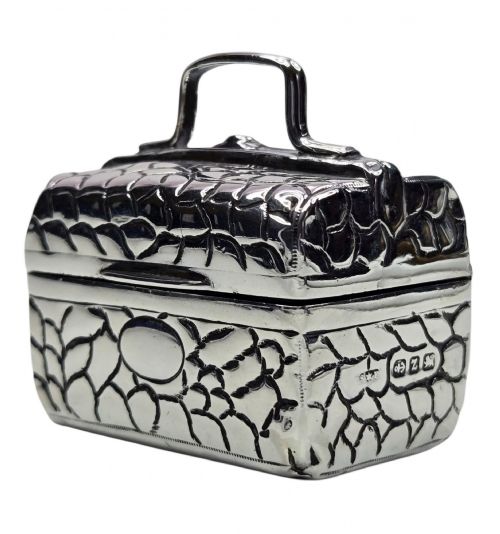
Metalsmiths shaped sterling silver, gold plate, and brass through casting, hand-engraving, and embossing to create detailed desk and pocket containers. Silversmiths applied precise hallmarks to track metal standards and production years across Birmingham, Sheffield, and London workshops.
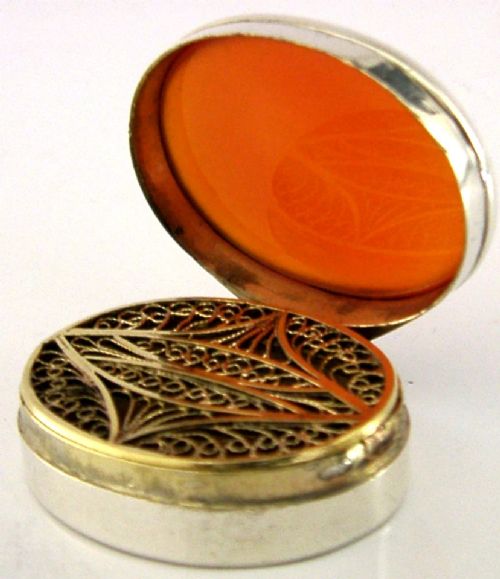
Natural organic materials underwent careful carving, polishing, and mounting to form tortoiseshell, horn, and agate items. Artisans fitted precious stones into metal bezels and hinged delicate lids to ensure tight closures for dry contents.
Object forms span table snuff boxes, novelty trunk boxes, pocket vinaigrettes, nutmeg graters, and treen spoons.
What varies in quality
Quality rests upon the precision of the joinery and the integrity of the hinges, which determine how securely lids close on boxes and mulls. Superior pieces exhibit crisp engraving, well-preserved hallmarks, and uncompromised organic panels free from structural repairs.
Material selection dictates the upper tier of the range, seen in items utilising flawless orange agate, heavy solid silver, or genuine tortoiseshell accented with gold. Lesser examples rely on plated metals or simpler brass construction with minimal ornamentation.
Mappin & Webb·Jane Brownett Alexander Jones·Hermes Paris·Matthew Linwood·James Phipps I·Frederick Mason
The Antique Snuff Accessories Glossary
- Snuff box
- A small pocket or table container designed to hold powdered tobacco. These items feature tight-fitting hinged lids to preserve the contents.
- Vinaigrette
- A small ornamental box containing a perforated internal grille. It held a sponge soaked in aromatic vinegar for freshening the air.
- Mull
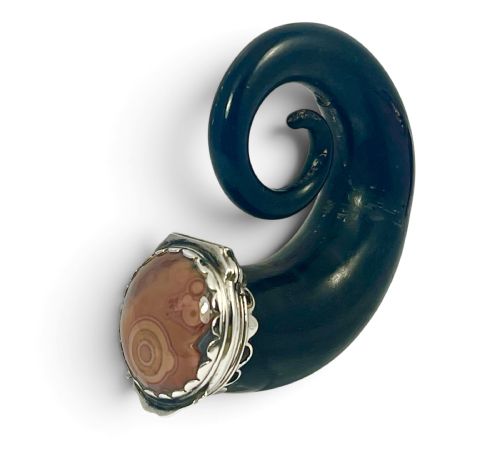
- A vessel fashioned from animal horn used for storing and dispensing snuff. Scottish examples often incorporate silver mounts and polished horn.
- Treen
- Small domestic objects made from wood. This term covers functional items such as carved spoons used alongside tobacco stores.
- Navette
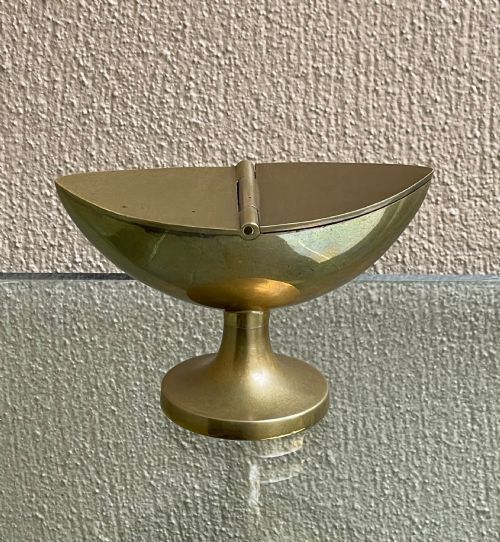
- A boat-shaped geometric design profile. This style appears on table snuff boxes from the Georgian period.
Antique Snuff Accessories: Frequently Asked Questions
What is a snuff accessory?
A snuff accessory is any small historic item used in the consumption, storage, or preparation of powdered tobacco. These range from pocket boxes and desk containers to specialised spoons and graters.
Such objects reflect the widespread social habits of the Georgian and Victorian periods, utilising materials like silver, horn, and tortoiseshell to combine utility with ornamental craft.
How do I date a silver box?
Dating a silver box relies on reading the stamped hallmarks found on the metal body and lid. These marks typically include maker initials, standard marks, and a specific date letter.
Comparing these symbols against official assay office records for Birmingham, Sheffield, or London reveals the exact year of manufacture and the silversmith responsible.
How were horn mulls used?
Horn mulls served as personal containers for carrying dry snuff in pockets or displaying it on tables. Users accessed the contents through a fitted lid, often tipping a small amount onto the hand.
Scottish examples utilised natural ram or bull horns, sometimes mounted with cairngorms or silver hardware to signify ownership or status.
Are these pieces made of solid silver?
Many boxes utilise sterling silver marked with standard lion passant symbols, while others consist of brass, gold plate, or organic substances like tortoiseshell. Listings specify the exact material makeup for each individual item.
Buyers should examine the description details to distinguish between solid precious metals and plated or base metal alternatives.