


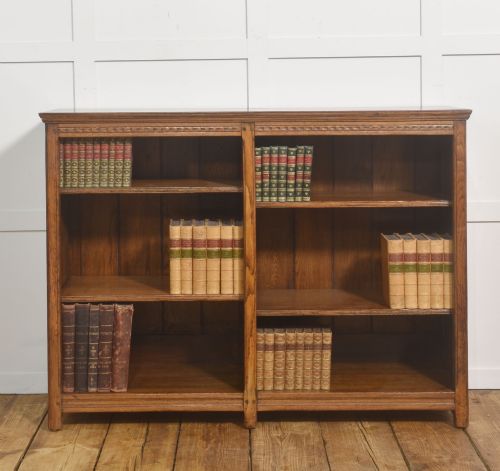
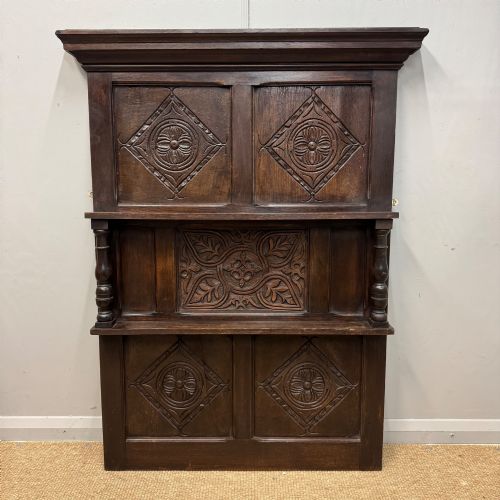
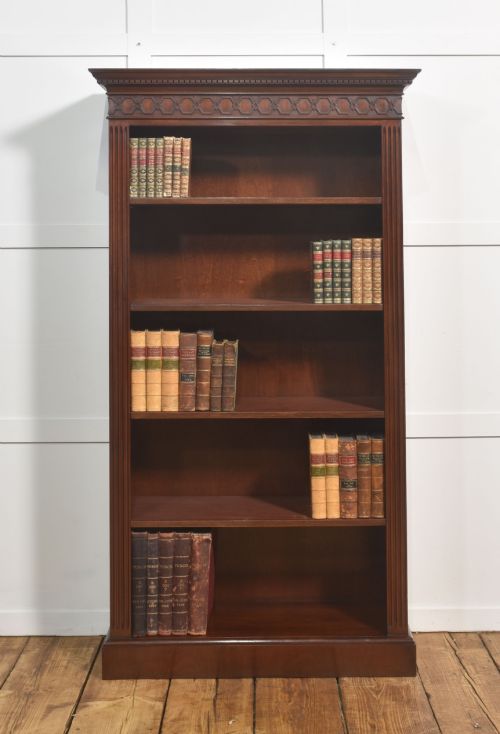
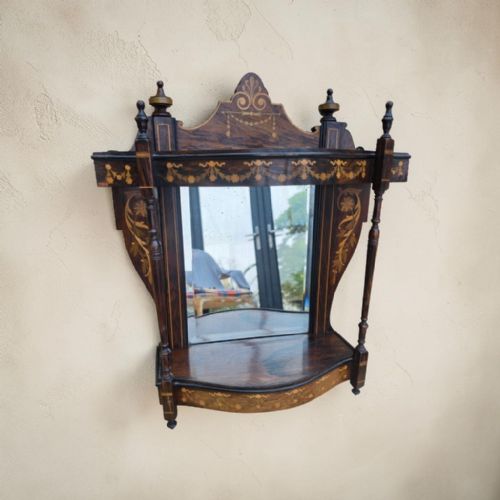
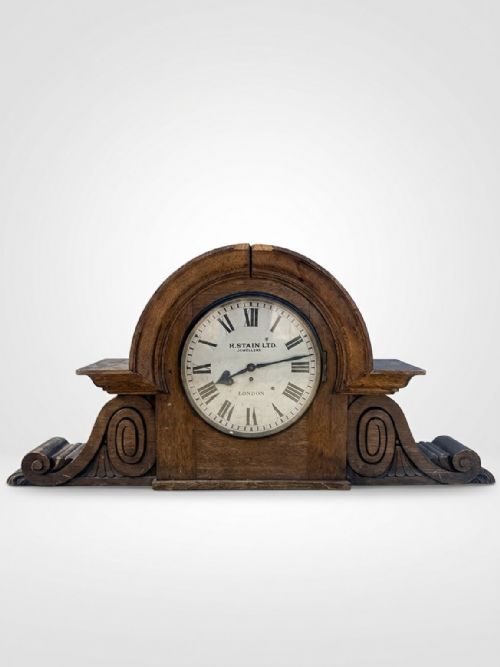
Carved Wooden Shelf
A carved wooden shelf brings architectural depth and practical display space to a room, drawing the eye with rich timber grain and hand-carved detail.
Carved Wooden Shelf
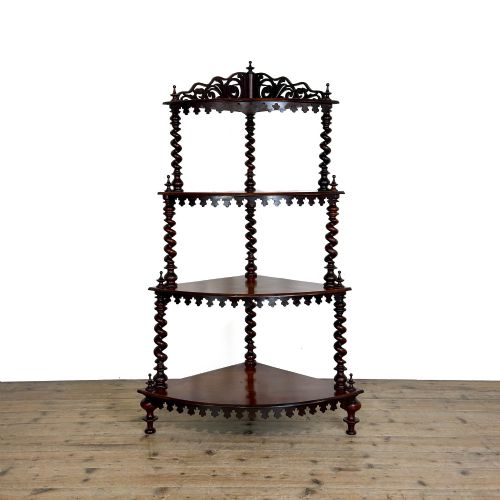
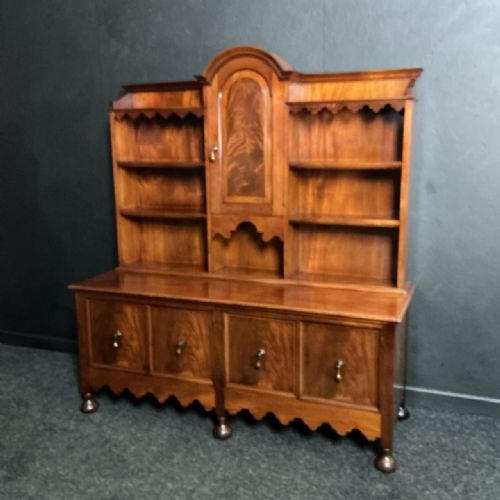
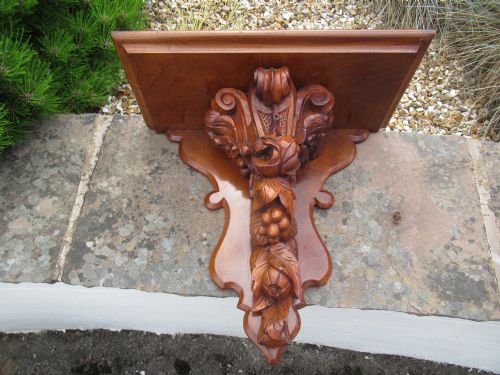
A carved wooden shelf serves as both a functional storage ledge and a decorative wall mounting, frequently appearing in forms such as wall brackets, wall shelves, and overmantel panels. When searching for a carved wooden shelf, buyers typically encounter examples originating from the nineteenth century through the Edwardian era, constructed in styles ranging from Victorian Gothic Revival to Anglo-Indian.
The selection ranges from compact corner displays and decorative wall brackets to larger architectural shelf supports and architectural pediments. Oak, walnut, and mahogany dominate the timber choices, reflecting the prevalent woods used by makers during the Victorian and Edwardian periods.
Assessing quality
Quality rests primarily in the depth, precision, and sharpness of the hand-carving, where crisp detailing distinguishes masterwork from routine production. The choice and grain figure of the primary timber, whether burr walnut, flame mahogany, or golden oak, further elevate a piece.
Structural integrity and the retention of original surface patination separate superior examples from later or heavily restored items, ensuring the timber has aged with a rich and honest character.
Listings feature pieces spanning the 18th century, 19th century, Victorian era, Edwardian period, and 1920s.
Trevor Page & Co
The Carved Wooden Shelf Glossary
- Wall Bracket
- A projecting architectural support or shelf attached directly to a wall. These often feature elaborate carving and serve to display smaller decorative objects.
- Whatnot
- A multi-tiered piece of freestanding or hanging furniture designed for displaying ornaments and books. They are frequently encountered in walnut and mahogany.
- Corbel
- A structural piece of stone, wood, or metal projecting from a wall to carry a weight. In wood, these take the form of heavy carved brackets or shelf supports.
- Pediment
- A crowning architectural feature placed above a door, window, or piece of furniture. Examples often incorporate a small display shelf into their design.
Carved Wooden Shelf: Frequently Asked Questions
What periods do these shelves date from?
The pieces span primarily from the nineteenth century through the Edwardian period, with numerous examples originating in Victorian and early twentieth-century workshops.
Craftsmen of these eras utilised traditional timbers like oak, walnut, and mahogany to create functional and decorative wall furniture.
How were these shelves mounted?
Many smaller wall brackets and shelves were designed to hang directly from wall fixings via integrated brackets or rear mounts. Larger architectural panels and overmantel shelves often required secure fixing directly into wall studs or masonry.
Buyers should examine the reverse of each piece to understand the original hanging mechanism.
What woods are most common?
Oak and mahogany appear most frequently across the available selection, often accompanied by walnut, pine, and exotic padauk. Each timber brings distinct grain patterns and colour variations to the carved surface.
Victorian and Edwardian makers selected these hardwoods for their durability and suitability for detailed carving.
How do I distinguish Victorian from Edwardian pieces?
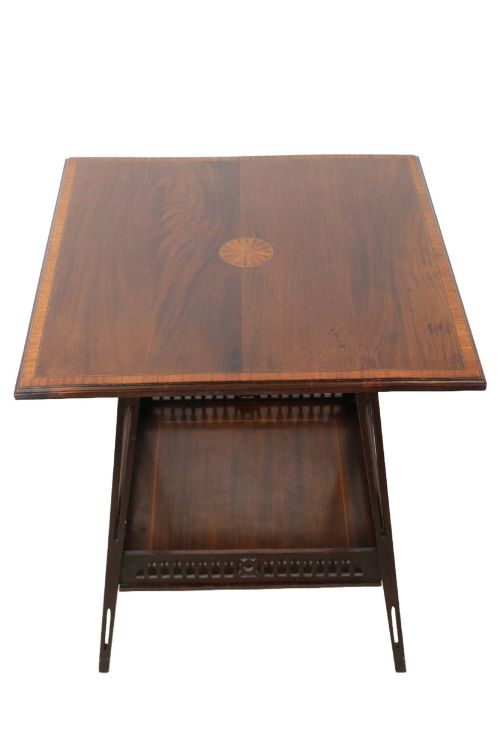
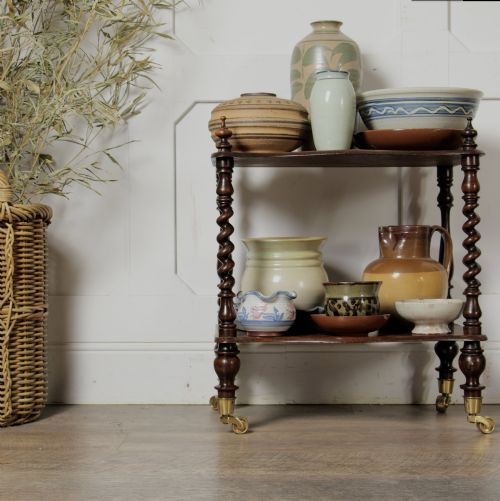
Victorian items tend to feature heavier timbers, darker finishes, and dense ornamentation such as Gothic Revival motifs or barley twist turnings. Edwardian examples often display lighter oak or mahogany construction, sometimes incorporating inlay.
Stylistic shifts reflect changing domestic tastes from the mid-nineteenth century into the early twentieth century.